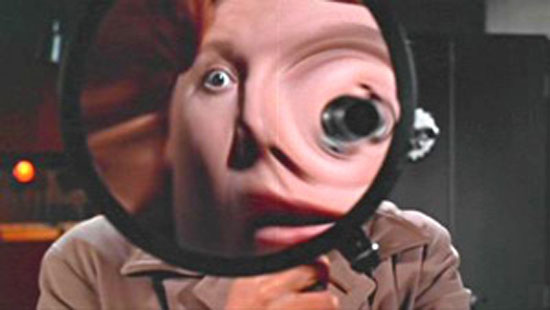
Blowup (1966)

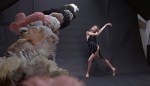
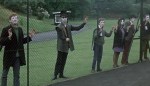
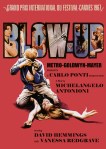
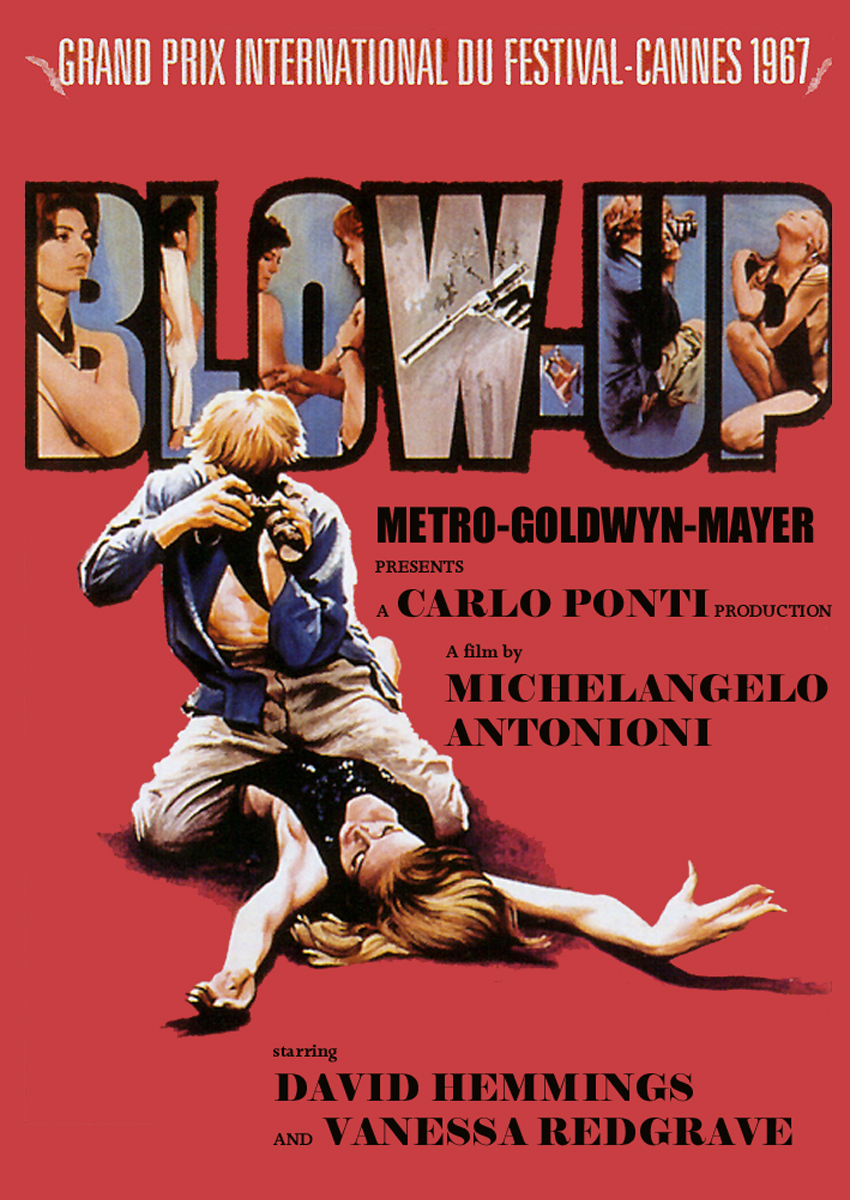
Today’s cinema adventure: Blowup, the 1966 feature by Italian director Michelangelo Antonioni; an existential mystery set against the backdrop of “Swinging London’s” hip fashion-and-art scene. Concerning a successful young photographer who begins to suspect he has inadvertently captured images of someone being murdered in a park, the film is really an exploration of alienation and desensitization in a culture obsessed with image and surface, as well as a meditation on the deceptive nature of perception and the uncertain boundary between illusion and reality. Setting up his theme from the very first scene, in which a truckload of exuberant mimes careens into a London plaza, Antonioni proceeds to perpetrate a cinematic sleight-of-hand by luring our focus onto the ostensible subject- a callous youth, played by unlikely leading man David Hemmings, and the intrigue into which he stumbles- while using the surrounding environment to convey the real purpose of the movie. As surely as the significance of his leading character’s photos lies in the grainy, uncertain corners of their background, the real mystery of Antonioni’s film reveals itself through examination of the peripheral details of its central plot.

The action of Blowup takes place in a world full of vapid fashion models and disaffected posers, communicating in brief, distracted ambiguities and seemingly trying to appear as disinterested as possible at all times. It’s a place dominated by a game in which style is substance, and the master of this game is the photographer, Thomas. As a creator of image, he is at the center of the “in” crowd, and he flaunts the power granted him by his status; surly, entitled, smugly insolent, he treats everyone as an object or as a means to an end, striding confidently through his day and seeking relief for his terminal ennui from momentary whims- whether buying a propeller from an antique shop, having a naked romp with a pair of underage would-be models, or clamoring for a scrap of a rocker’s smashed guitar at a concert- and then becoming disenchanted as soon as he achieves his fleeting gratification. He is a reflection of the culture of desire and acquisition that surrounds him, completely disconnected from others and encased in a self-absorbed bubble of over-saturated perception; and when reality asserts itself in the form of his unwitting involvement in the enigmatic experience at the park, he is completely unprepared and ill-equipped for the situation, failing to control it with his usual tactics and unable or unwilling to communicate it to any of the emotionally distant friends or vaguely hostile strangers he encounters.

It would be easy to slide into a complex morass of analysis in discussing Blowup. It is a deceptively simple film that opens up into an unending progression of dovetailed themes and implications upon even the most superficial examination. Suffice to say that in his portrayal of this ultra-specific time and place, Antonioni captures timeless issues that affect the society of popular culture and commerce no matter what the details of their outer trappings; and in Thomas’ obsessive quest to determine the truth about what he has seen, enlarging his photos until they become as abstract as a Rorschach ink blot, he illustrates the impossibility of objective certainty and suggests that the difference between truth and illusion exists only within our highly suggestible perceptions. Ultimately, all that can definitively be said about Blowup is that it is about a man who, for a short time, at least, pays attention to something.

More to the purpose, here, is a discussion of the artistry involved in bringing all these heady concepts to the screen. Director Antonioni, already renowned for his work in Italian cinema with films like L’Avventura and La notte, enlisted the help of noted playwright Edward Bond in writing the dialogue for this, his first film in English. The resultant wordplay is a brilliant reflection of the themes explored within the screenplay (which Antonioni co-wrote with Tonino Guerra); the characters speak in terse banalities, expressing half-truths and absurdities which stand in contrast to their actions and fail to convey their true intentions- almost everything they say represents a pose, an image they wish to present, and when they must try to convey something more direct or meaningful, more often than not they collapse into an inarticulate and incomplete breakdown of communication. Yet every exchange reinforces the film’s central ideas, from the first line (one of the mimes telling a bystander, “Give me your money- do it!”) to the inscrutable response of top model Verushka when asked if she is supposed to be in Paris (“I am in Paris”). The actors contributions serve as varied brushstrokes on Antonioni’s canvas, creating the necessary blend of textures which completes the picture. Vanessa Redgrave is the mysterious woman whose secret dalliance in the park may or may not have more sinister implications; tall, bird-like, and awkwardly elegant, she superbly conveys a desperation which continually threatens to crack the mandatory veneer of cool disinterest, and gives us a character whose determination and intelligence are plainly evident (though Thomas, her circumstantial antagonist, can only see the vulnerability of her surface) and she suggests a connection to the machinations of a larger world that exists outside the insulated niche in which the film is set- one in which things actually matter. In smaller but no less important roles are Sarah Miles and John Castle, as Thomas’ married friends; standing in for the masses whose interests are captured by those who put on the show, she shows us (with minimal dialogue) the timidity and guilty fascination of someone drawn to the shallow flash represented by Thomas over the weightier substance of her painter husband; and he embodies an obtuse, intellectual aloofness that makes him simultaneously attractive and repellant. The aforementioned Verushka makes an unforgettable impression (as herself) in the iconic scene in which she is photographed by Thomas, writhing on the floor as he straddles her in a highly sexualized encounter which underlines the replacement of actual experience with the artificiality of image. As Thomas, our photographer “hero,” the previously unknown Hemmings became a major star and a symbol of the mid-sixties “mod” lifestyle; his performance, while necessarily limited in range by the scope of his character, is perfect for its purpose within Antonioni’s vision. Though Thomas is arrogant, unpleasant and shallow, Hemmings somehow manages to make him likeable in spite of these qualities, showing us the giddy and rambunctious child beneath his ultra-cool mask in the moments when he is alone, and allowing us to be comfortable when we are forced by Antonioni’s focus to identify with him.

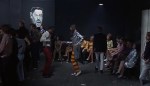
The star of Blowup, though, is the cinematic auteur behind the camera. The film is almost certainly Antonioni’s masterpiece, a vibrant, stimulating work of art that delivers brilliantly both on the surface and on a deeper intellectual level; the entire film leaves the impression of a stunning visual experience, yet though it is filled with indelible images created by the director’s masterful eye for composition (and captured by cinematographer Carlo di Palma), the grand picture we are left with is a synthesis of all we have seen- an intangible and non-existent zephyr. Much of the film’s powerful cumulative effect comes from Antonioni’s use of contrasts- between speeds, colors, textures, people- and his knack for portraying mundane, everyday occurrences in a manner and context that makes them seem hallucinatory and surreal. His use of sound is also important; in particular, the haunting sound of the wind in the trees during the all-important park sequences suggests the vastness and the irresistible force of the ultimate reality which surrounds all the meaningless illusion with which his film’s denizens are preoccupied. His musical choices play a big part, too: the jazzy score by Herbie Hancock captures the hurky-jerky energy of the fast-paced culture in which he has immersed us, and an underlying zeitgeist is evoked by the raw and angrily frustrated sound of The Yardbirds as they play for a seemingly unimpressed crowd of club-goers in their now-famous cameo scene.

Watching Blowup today, it’s easy to see why it has been lauded as an influential classic and been the subject of so much homage and emulation. It captures a perfect snapshot of the fleeting era in which it is set, yet at the same time presents us with a timeless metaphor for our existence in a world of never-ending sensory stimulation. Though the technological methods depicted as central to the story are dated in today’s digital age- in which high-resolution photographic manipulation is instantly available in the palm of everyone’s hand- the basic theme of seeking validation for our perceptual experience is not. Furthermore, it is impossible not to observe the parallels between the pop-obsessed society depicted in the film and that which exists today: in his personification of the mod dilettante at the center of Blowup, Hemmings could just as easily be portraying (if you’ll pardon the expression) the archetypal hipster douche-bag of our contemporary world; and the crowd that surrounds him, the clubs and parties he goes to, and the interests he pursues could all be found on any Saturday-night excursion into the hip-and-happening world of our current youth culture. It’s a movie that became, no doubt with intentional irony, the “next big thing” perpetually sought by the crowd it both portrayed and appealed to; thanks to the far-reaching vision of its director, it was more than that, and it has deservedly become a cornerstone not only of cinema, but in the collective consciousness of our modern world.

http://www.imdb.com/title/tt0060176/

Breakfast at Tiffany’s (1961)

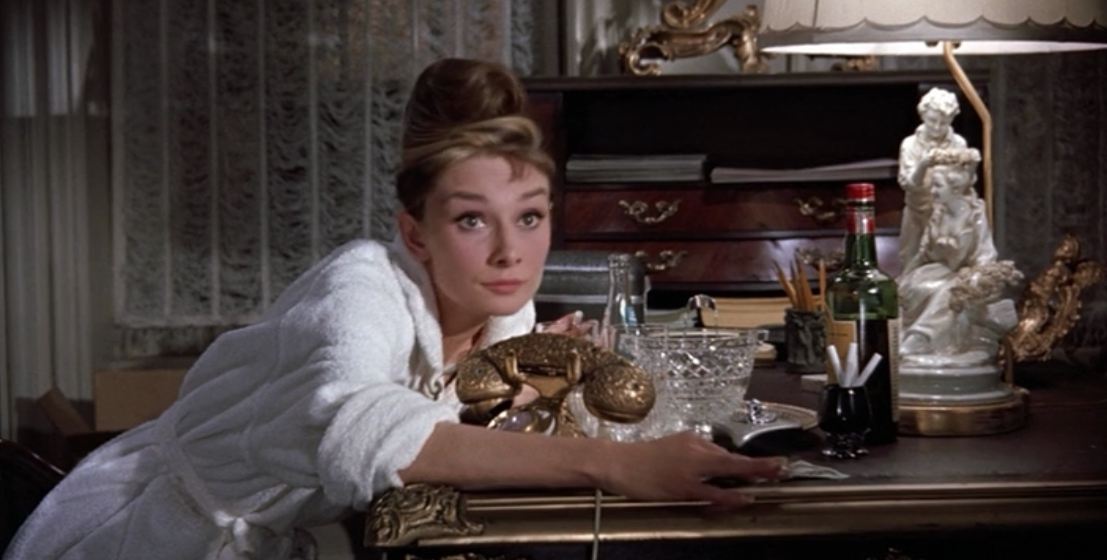
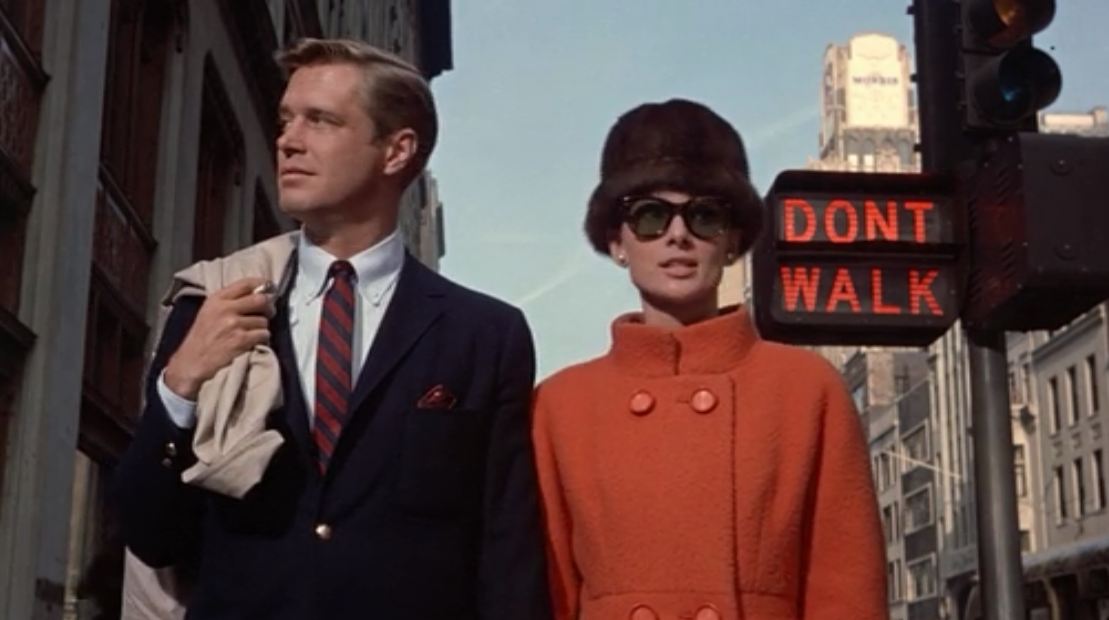
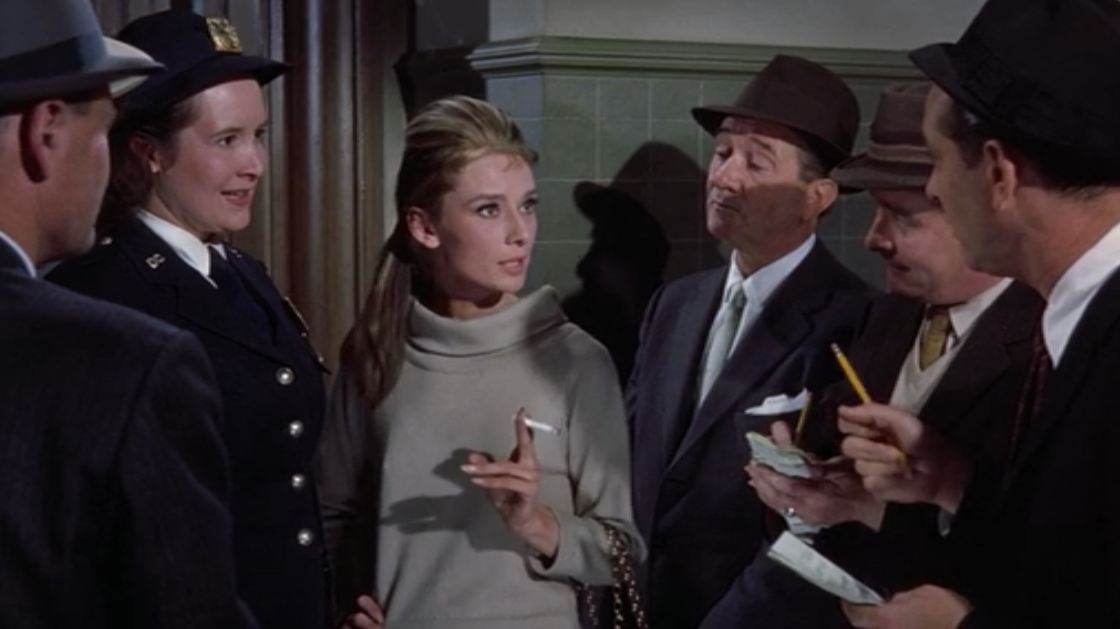
Today’s cinema adventure: Breakfast at Tiffany’s, the much-beloved 1961 romantic comedy classic widely regarded as the ultimate vehicle for its star, Audrey Hepburn. Adapted from Truman Capote’s semi-autobiographical novella of the same name, it is the story of the relationship between Holly Golightly, an unconventional “free spirit,” and a young writer who becomes her neighbor; drawn by her zest for life, he grows closer to her, discovering along the way that her true nature may not be as carefree as it seems. George Axelrod’s screenplay updates the action to the then-present day from the 1940s setting of Capote’s original story, and makes other significant changes to give it a more cinematic flow as well as to make it more palatable for audiences of the time. Most notably, it removes several potentially controversial elements, such as Holly’s unwed pregnancy and the homosexuality of the writer (unnamed in the novella), the latter adjustment also allowing the transformation of the central relationship from a friendship to a romance- a decision undoubtedly motivated by a goal to help the film become a popular hit- a goal which, needless to say, ultimately proved successful.

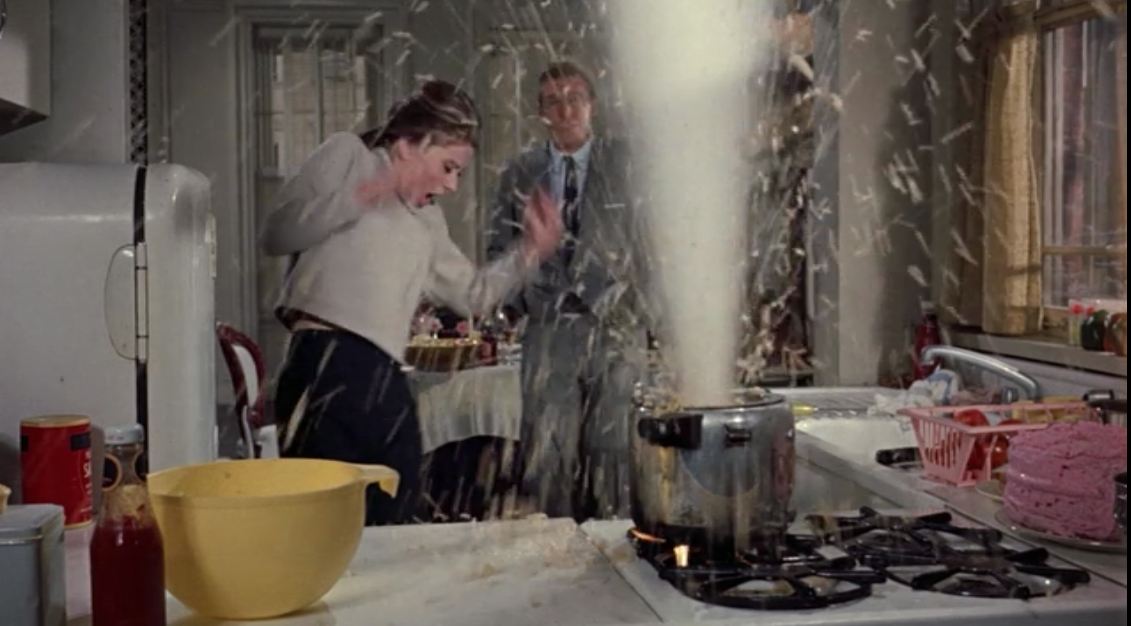
Despite the changes, Breakfast at Tiffany’s remains surprisingly racy for its era- both central characters are openly depicted as prostitutes, more or less- and the plot remains somewhat uneventful, on the surface at least, focusing more on the unfolding of character than action. However, director Blake Edwards guides it well, wisely allowing the effervescent charm of his leading lady to captivate the audience, and supporting her by never letting his camera stray too far away from her for very long; he prevents the apartment-house setting from becoming monotonous with frequent expansions into other, well-chosen locations (taking full advantage of New York’s local color, as captured by cinematographer Franz Planer), as well as with a fluid camera continually finding new perspectives from which to view the action, and the occasional diversion into a suitably zany situation. He coordinates all the pieces- particularly Henry Mancini’s Oscar-winning score- with care, to make the entire package seem a bubbly, delightful romp, in spite of the bittersweet sense of melancholy that underlies much of it; this surfaces in moments that feel poignant rather than heavy, and in the end, though the film’s resolution may be its most un-Capote-esque characteristic, we are left all the happier for having had our heart-strings tugged, just a little.

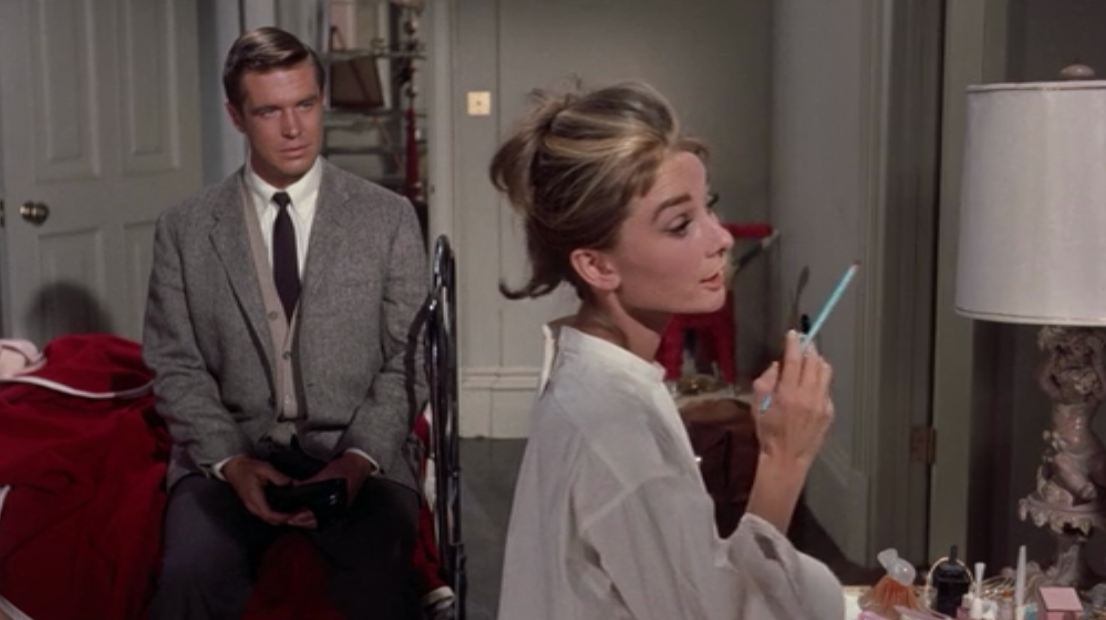
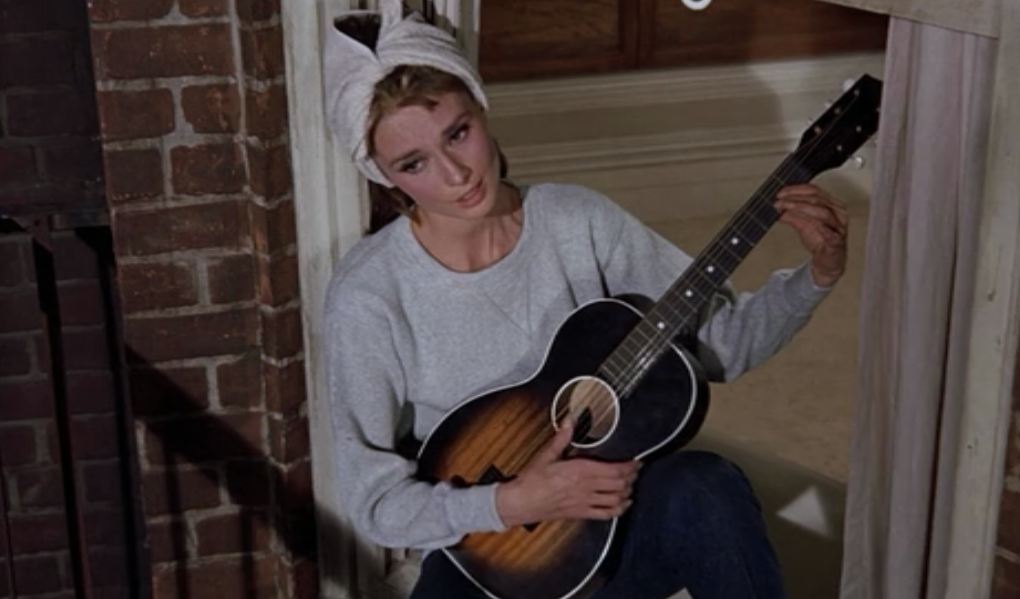
There are many things about Breakfast at Tiffany’s that have become iconic: the opening sequence of Holly eating pastry outside the window of the eponymous store, the little black Givenchy dress she wears (possibly the most well-known and influential piece of women’s clothing of the 20th century), her sunglasses and impossibly long cigarette holder, the irresistibly charming marmalade cat, and of course, Mancini and Johnny Mercer’s Oscar-winning song, “Moon River,” wistfully performed by Hepburn as she sits on the fire escape with a guitar; but by far the most iconic element of the film is Hepburn’s performance itself. As Holly- a role she reportedly found challenging due to her own natural shyness, in direct opposition of the character’s extroverted, impetuous and gleefully shocking behavior- she embodies the kooky, waifish image she came to represent, exuding intelligence, sweetness, exuberance, and, above all, elegance; and in the service of the character, she captures both the genuine delight she takes in her existence and a sense of the nagging fear and sadness that pursue her. She is, in the words of one character, a “real phony,” and one who is never, for a moment, unlikeable, even in her most selfish and spiteful moments- you somehow know that, before much time passes, her natural goodness will come shining back to the surface and all will be well. Capote wrote Holly Golightly with Marilyn Monroe in mind, but it’s hard to imagine anyone except Hepburn in the part; her work here established the persona for which she would be best remembered and set the tone for the characters she would play for the next decade. In short, it was one of those rare matches of actor and role that seem almost to be the result of divine intervention.

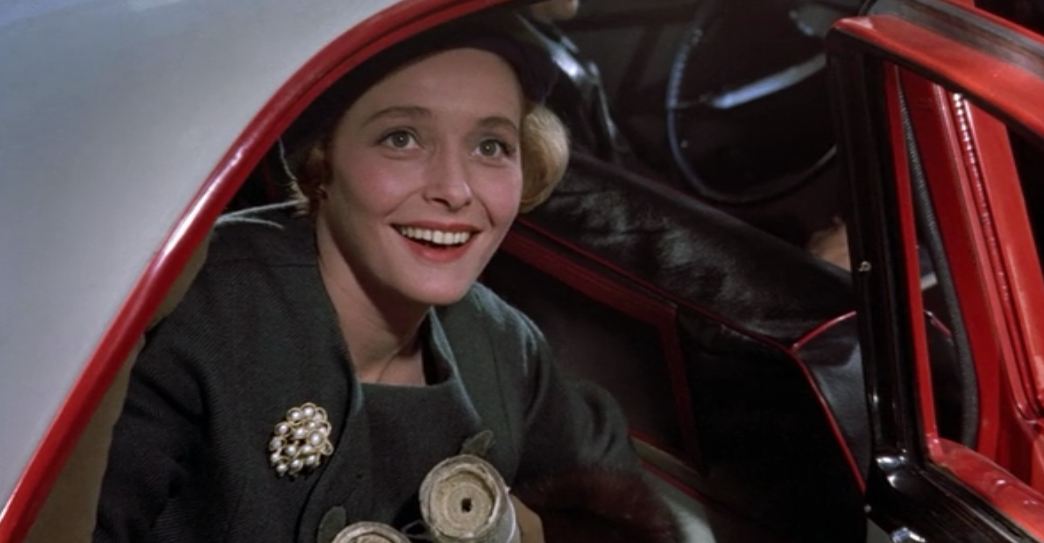
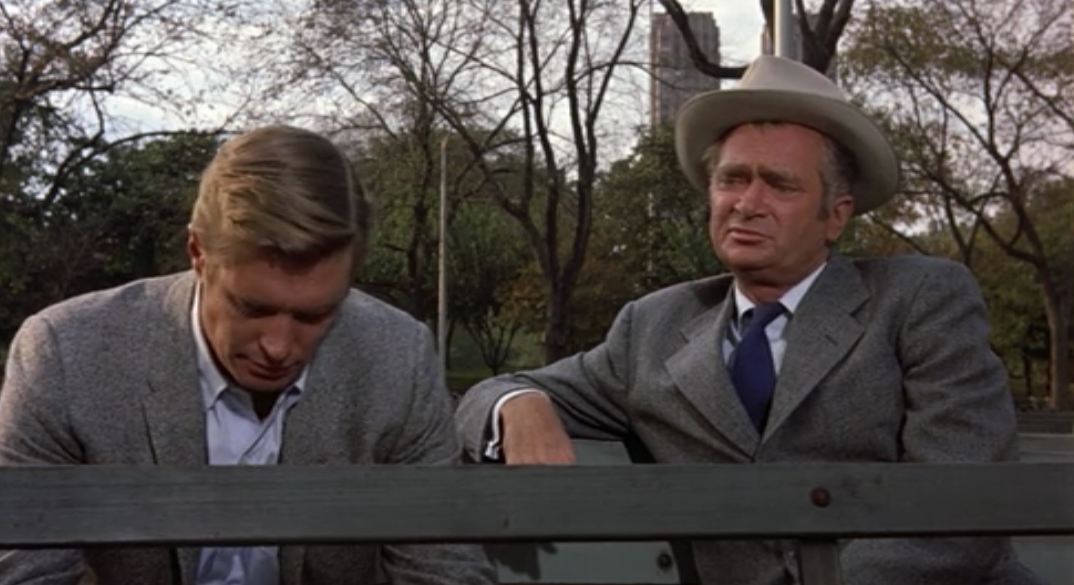
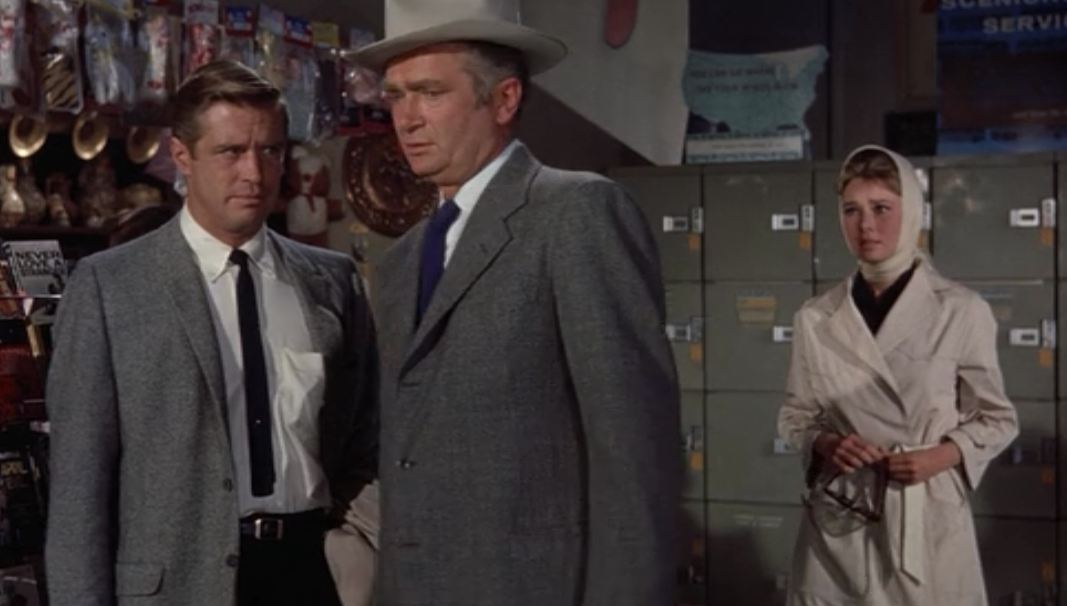
Breakfast at Tiffany’s is not a one-woman show, however, no matter how much it may sometimes feel like it: there are other actors here that deserve some credit for making it such a special film. Most obviously, of course, is George Peppard, giving perhaps his most memorable big-screen performance, as the smitten writer; he makes a good match for Hepburn, establishing an easy chemistry with her and making their too-good-to-be-true romance seem believable, as well as showing us his growth (thanks to Holly’s influence) from disillusioned self-loathing to determined self-confidence. As the wealthy married woman who “keeps” him, Patricia Neal gives us a necessary contrast to Hepburn, with a jaded frankness that feels far phonier than Holly’s good-natured pretension; and, in a turn that revitalized his career and led directly to his success on television’s The Beverly Hillbillies, Buddy Ebsen gives us a tender portrayal of Holly’s abandoned backwoods husband, who comes to the big city trying to reclaim the darling girl for whom he still carries a torch.

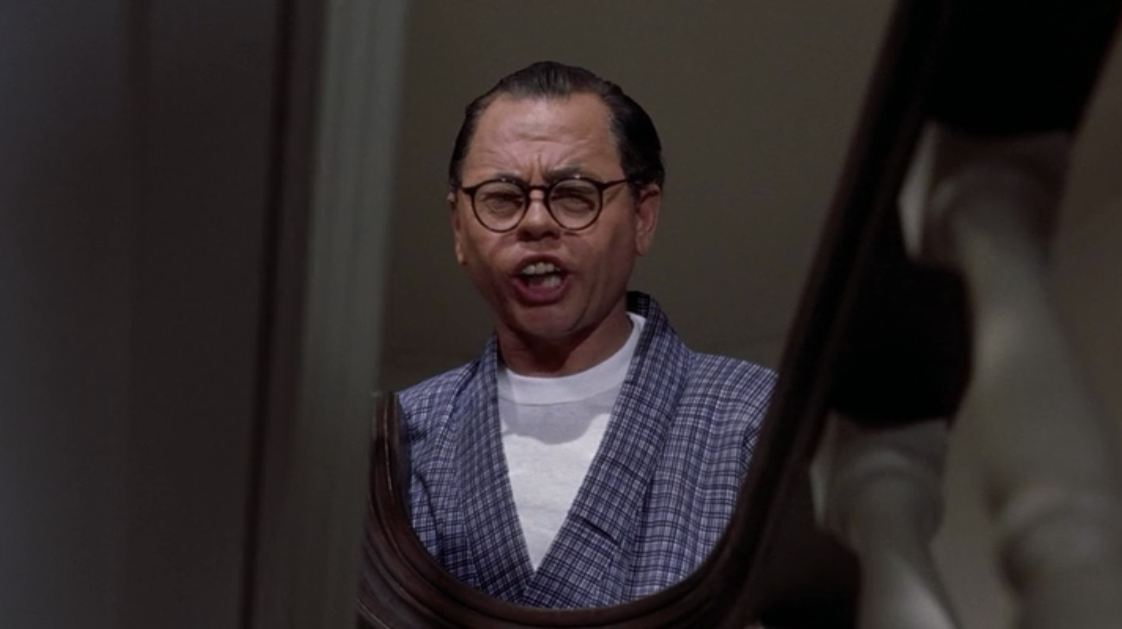
There is, of course, one ugly, distasteful flavor in this otherwise delicious confection. Any discussion of Breakfast at Tiffany’s, sadly, must include mention of the notorious presence of Hollywood veteran Mickey Rooney as Mr. Yunioshi, Holly’s long-suffering Japanese neighbor. The casting of a Caucasian actor in an Asian role, unfortunate as it may seem, was fairly standard practice at the time this film was made, and is not, in itself, so unforgivable; however, the clownish, offensively stereotyped performance given by Rooney, the result of director Edwards’ choice to make the character a source of wacky comedy relief, is so outrageously over-the-top that it was immediately branded inappropriate and racist even at the time of the movie’s release. Not helping matters is the ridiculous “yellowface” makeup worn by Rooney- including a cartoonish set of prosthetic buck teeth- that seems completely out of place in a film which is otherwise grounded in a fairly realistic- if romanticized- sensibility. For their part, all those involved in the decision to present the character in this manner- including Rooney, who insists he was playing it as directed- have apologized repeatedly and expressed their regret for making such an ill-considered choice; but, nevertheless, it remains as a nadir in Hollywood’s difficult history of racial insensitivity, and as a black mark on a film that is otherwise worthy of being considered a true gem.

Setting aside Mr. Yunioshi, there are other, less-disturbing quibbles which might be made about Breakfast at Tiffany’s, primarily by those who feel, perhaps rightly, that the re-invention of Capote’s narrative as a love story undermines its original intention as a slice-of-life remembrance in the vein of Christopher Isherwood’s Berlin Stories, not to mention converting it from a candid observation of human nature into a starry-eyed, feel-good Hollywood romance; but there’s enough of Capote’s worldly view in its screen incarnation to make sure that, in spite of its sweetness, it’s never syrupy, and his creative force is certainly preserved in the fullness of Holly Golightly, his own favorite of all his characters. It’s a testament to the power of his talent that we love her so much, and it is because we love her that we wish for her happiness. Let’s face it: there is something in us all that wants to believe in a dream-factory fantasy which permits two such flawed, potentially tragic people to come together and escape the tawdry reality of their world. By permitting Holly Golightly to finally make the jump, and allow herself to belong to another person (and a cat), the film version gives us hope and makes us strive for the happy ending in our own lives. After all, on some level, we are all “real phonies,” and it’s good to see one of our own find happiness.

http://www.imdb.com/title/tt0054698/
Dali in New York (1965)

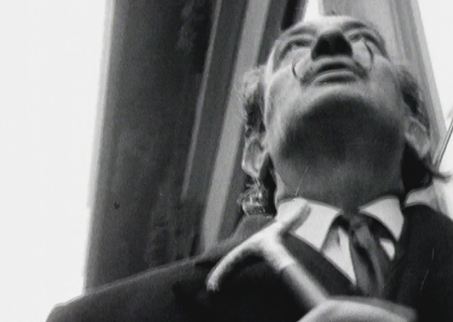
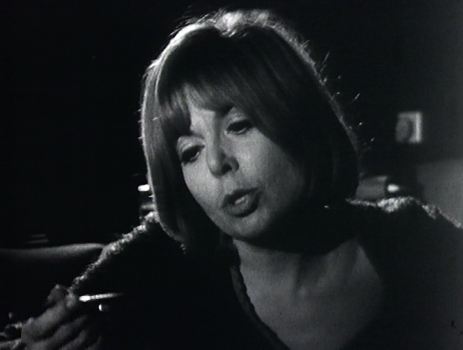
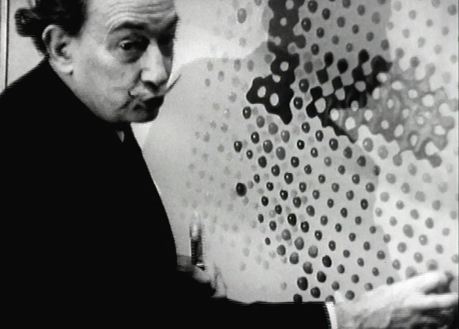
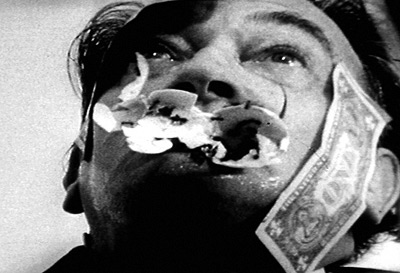
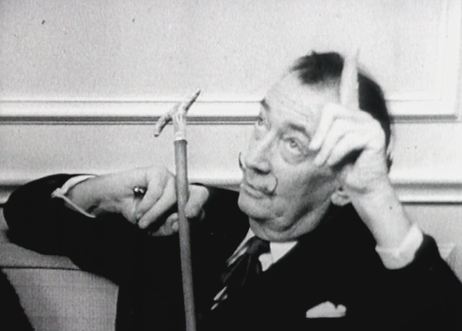
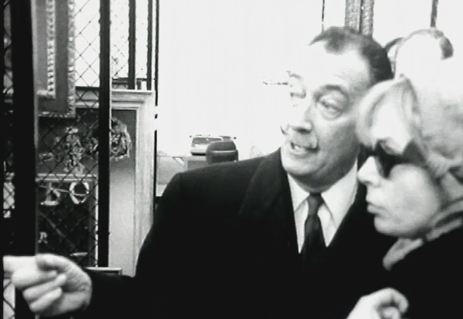
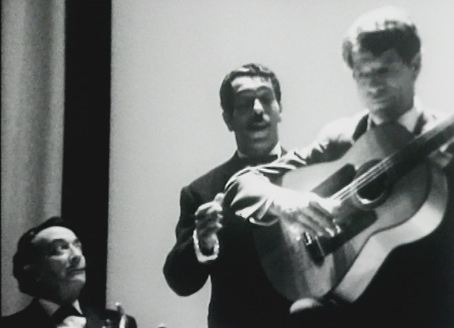
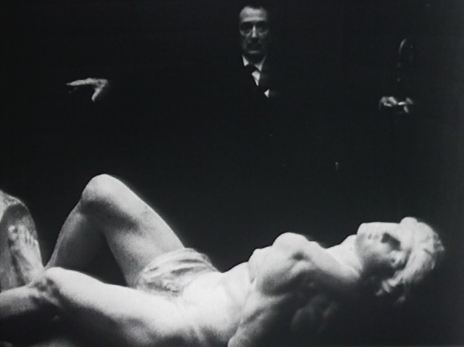
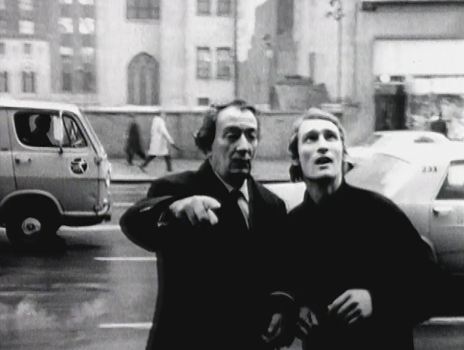
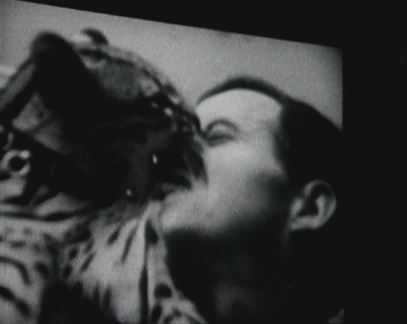
Today’s cinema adventure: Dalí in New York, a 1965 documentary by Jack Bond depicting the visit of the infamous Spanish surrealist to Manhattan in conjunction with the opening of a retrospective exhibition of his work at the Hartford Gallery of Modern Art. Shot in a distinctively sixties-avant-garde black and white by Jim Desmond, this brief (57 minutes) visit to the world of the 20th Century icon was made over two weeks prior to the opening, as Dalí made the rounds of the New York art and society scene, attending gatherings, staging “events” (such as a procession in the streets with a plaster cast of a Michelangelo statue and a photo session involving the artist lying in a coffin with an ant-filled egg in his mouth, surrounded by a million dollars in cash and an ocelot), and conversing with Bond’s collaborator, actress/writer Jane Arden- that is, until she falls from Dalí’s favor in a controversial exchange in which she refuses to humor his assertion that “everyone is my slave.” The conversations yield little by way of meaningful exchange- Arden tries too hard to engage the painter in a dialogue about his work and Dalí steadfastly resists, preferring instead to make characteristically inflammatory proclamations and declarations of his own supremacy- and the film ultimately offers little direct insight into the artist or his philosophies. Nevertheless, much can be gleaned by watching his antics and his interactions; throughout the film, he is obviously aware of the camera at all times, his eyes constantly darting to the lens as he orchestrates his image for mass consumption. Always the showman, his outrageous acts and statements are clearly calculated to promote himself and his art, and even his creative process itself seems to be little more than another tool for publicizing the “cult of Dalí,” as evidenced in the remarkable closing sequence when he paints for an audience, accompanied and inspired by the music of flamenco guitarist Manitas De Plata and singer Jose Reyes. The entourage with which he surrounds himself, which includes a “military advisor” and the supposed reincarnation of his dead brother, are all extensions of his own bizarre personality, conforming to the roles he has assigned them for his- and presumably their own- personal benefit; and his wife and muse, the austere and vaguely contemptuous Gala, is presented, as he presented her, as an idealized icon of feminine detachment: she says little, and by saying little, speaks volumes. All of this is interlaced with lengthy sequences (designed and photographed by Tom Taylor) showcasing Dalí’s familiar art, depicted by a fluid camera lovingly examining the details of his imagery and revealing some of the unifying thematic elements that were continually present in his body of work- though the black-and-white cinematography robs us of his stunning and effective use of color, making us long to rush to the nearest bookstore and browse through one of the many coffee table books offering high quality Dalí reproductions.

Dalí in New York was largely forgotten for many years, a parenthetical curiosity from a period when the famed artist was being overshadowed by representatives of the more modern movements of art, such as Warhol, whose vision of themselves as the ultimate manifestation of their work was prefigured by Dalí himself- something he alludes to in the film. After a 2007 screening at MOMA, it has been resurrected as a document of a figure whose importance to the art world is still being debated. In the twenty-plus years since his death, Salvador Dalí has become less and less remembered for the outrageous circus with which he surrounded himself and his enormous catalogue of paintings have become more and more familiar, many of them having achieved the status of icons. This little documentary is by no means a complete picture of the man or of his work, but it does offer a rare opportunity to get close to a figure who, during his life, was often dismissed as a charlatan and an opportunist, but whose work has undeniably exerted an unfathomable influence on western visual art. Most of Dalí’s rhetoric can be assessed as showmanship, not categorizable as true or false, but at least one of the statements he makes in this film is clearly wrong: at one point he declaims that his work is not important, that only Dalí himself matters. Time has thankfully proven this to be an overstatement on his part.

http://www.imdb.com/title/tt1245090/
Peeping Tom (1960)

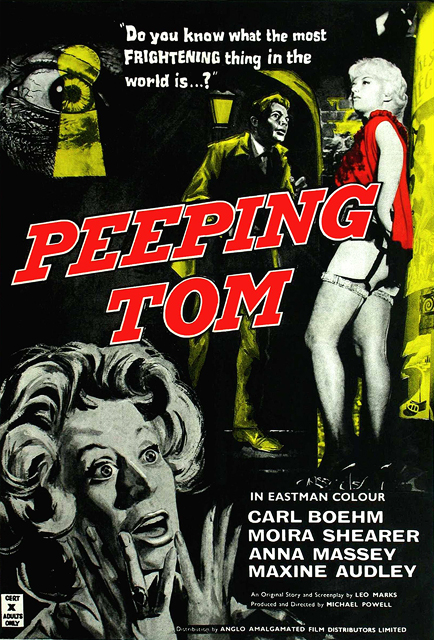
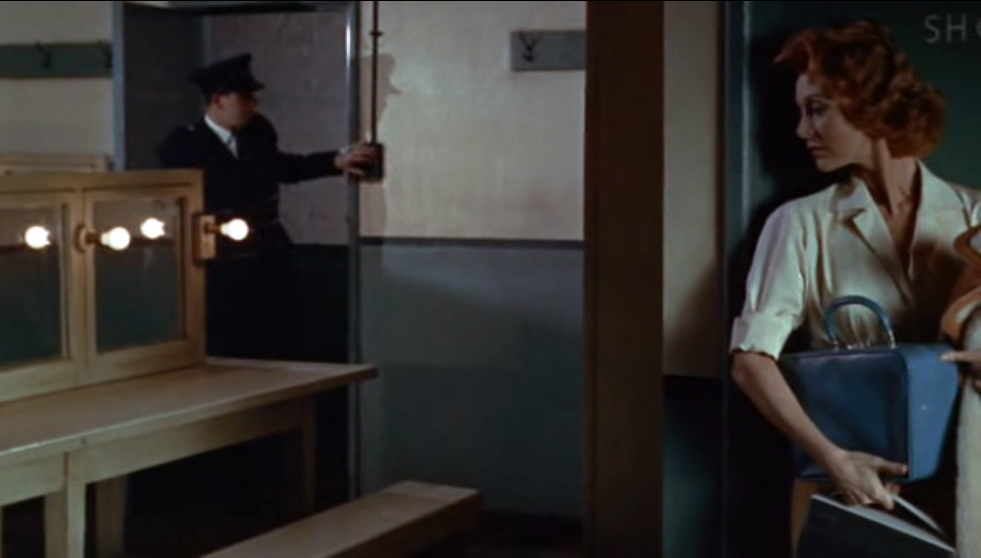
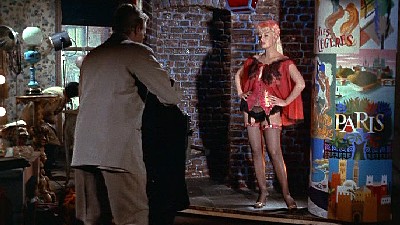
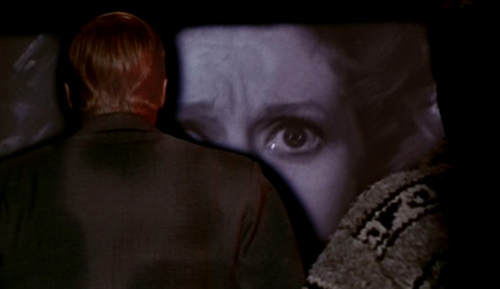
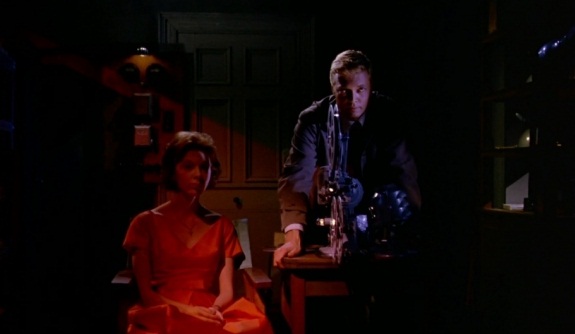
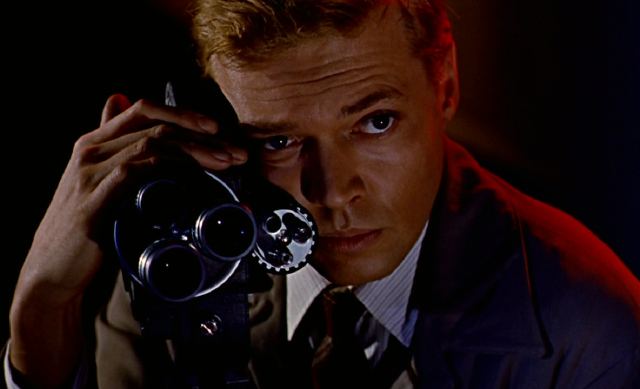
Today’s cinema adventure: Peeping Tom, the controversial 1960 thriller directed by Michael Powell, who was one of Great Britain’s most revered and respected filmmakers- that is, until the savage critical lambasting received by this feature effectively put an end to his career.   Photographed in garish color reminiscent of the lurid under-the-table pornography of its time, this tale of a disturbed young recluse who films women as he murders them was such a flop upon release that it was barely shown outside of England.  Over the succeeding years, however, it became a cult classic, growing in critical estimation and championed by such heavy hitters as Martin Scorsese (for one), and it is now generally acknowledged as a ground-breaking, underappreciated masterpiece of the genre.  On an intellectual level, I can see why: director Powell thoroughly explores the theme of voyeurism as it applies to cinema, forcing the audience from the very first frames to identify with the killer, and using the film’s story as a vehicle to manipulate our sympathies, uncover our own guilty voyeuristic tendencies, and confront us with our darkest fears just as his protagonist does with his victims.  There isn’t an extraneous or gratuitous moment in the film; every scene, every frame, every shot is calculated and geared toward the purpose- a testament to Powell’s mastery of his cinematic medium.  Despite the high score on an academic level, however, the film falls short for me on the more visceral level of emotional response; part of this may be due to the fact that, after 50 years, the film’s shock value (and body count) has been far surpassed by countless other horror movies and, by today’s standard, seems fairly tame (albeit still quite unsettling on a psychological level).  But I think the primary problem lies with the casting of Carl Boehm in the central role of the homicidal cameraman: not only does his German accent seem out of place for this decidedly English character, but his performance is stilted and unconvincing, making it difficult for us to sympathize with him- a necessary element to the transference of guilt to the audience which Powell works so hard to achieve.  The rest of the cast is excellent (particularly the young Anna Massey and the film’s biggest star, Moira Shearer, whose small but pivotal role is the centerpiece of the film’s most masterful and harrowing sequence), but with Boehm’s wooden presence in the middle of the proceedings, the film’s overall effect is muted: it stimulates the brain, and disturbs the psyche, but the heart remains aloof.  Still, it has much to recommend it, and it’s definitely worth the effort to check out a movie which, flawed or not, remains as an important footnote in cinematic history.

http://www.imdb.com/title/tt0054167/

Woman in the Dunes/Suna no onna (1964)

Image

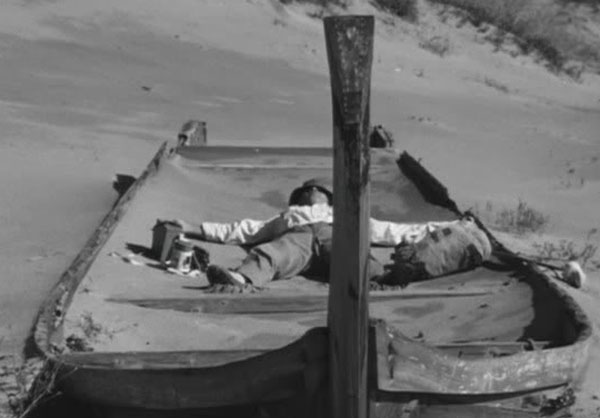
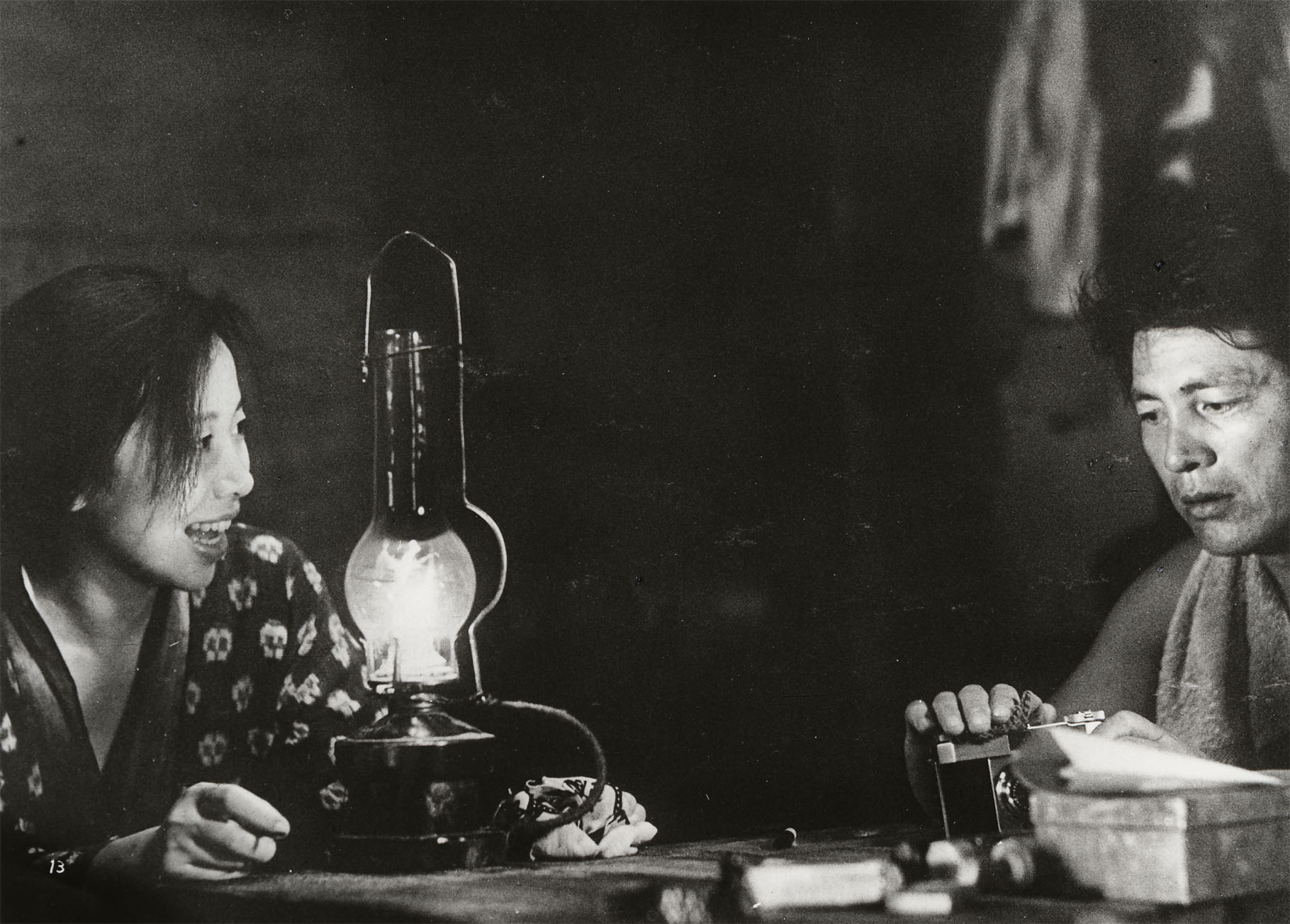
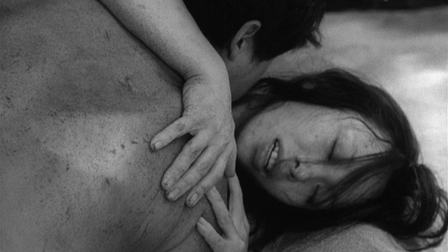
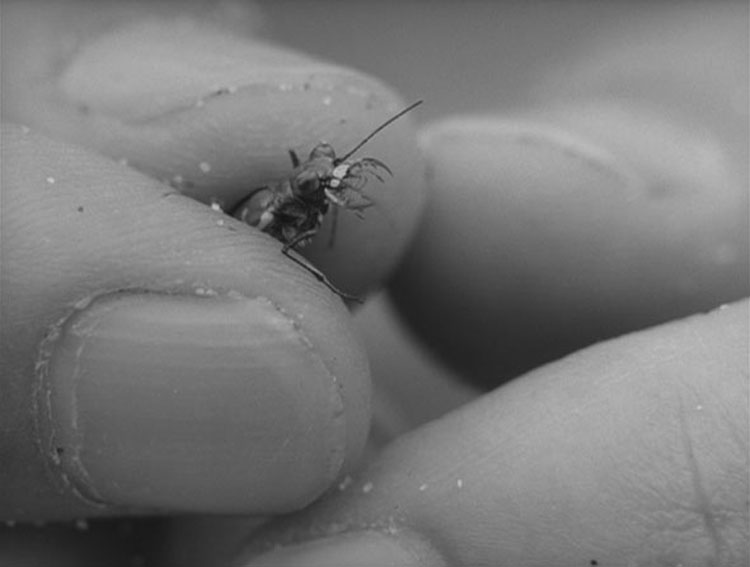
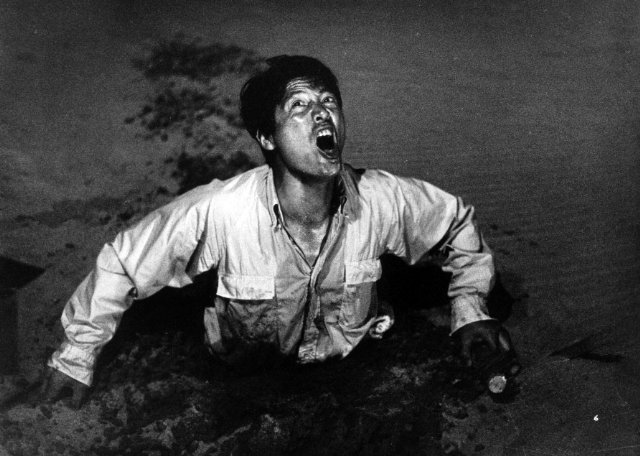
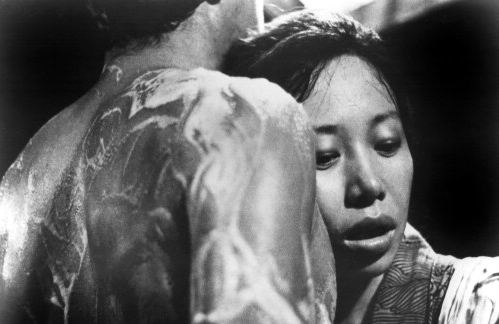
Today’s cinema adventure: Woman in the Dunes the strikingly photographed 1964 avant garde feature by Japanese filmmaker Hiroshi Teshigahara,  Adapted by Kōbō Abe from his own novel, it’s a deceptively simple parable about an entomologist on a field expedition to collect specimens at a remote beach; when he misses his return bus, he seeks shelter for the night with a young widow in a local village- only to find himself trapped into remaining as her companion in a life of endless labor, shoveling sand from the quarry in which they live, both for their sustenance and to prevent their house from being buried.  Within the framework of this premise are explored a multitude of giant, deeply reverberating themes, ranging from the contrast between the masculine and the feminine to man’s role in society to the very nature and meaning of existence itself- all of which plays out against the backdrop of the monumental, ever-shifting sand dunes, emphasizing the inexorable dominance of nature and the universe and transforming the primal landscape into a central character of the drama.  The performances of the two principals (Eiji Okada and Kyoko Kishida) are superb, helping to create the delicate balance between realism and symbolic fantasy that propels the film- but the true star here is the magnificent black-and-white cinematography of Hiroshi Segawa, which not only captures the fluid, omnipresent sand in remarkable, crystalline detail, but conveys a sense of tangibility to every texture in the film, from the salty grit which covers every surface to the smoothness of the players’ skin, making the viewer’s experience highly visceral- and erotic.  One of those world cinema classics that is a staple in film classrooms around the world, the artistry of Woman in the Dunes is indisputable- some audiences, however, may find that its blend of existential absurdism and Zen austerity creates a cool detachment that prevents emotional involvement in the action.  Nevertheless, as an intellectual and philosophical exercise- and as piece of stunning visual artistry- it’s a film which packs more than enough power to make its 2 ½ hour running time seemingly fly by.  A must-see for any serious film buff- but you may feel like you need a long shower to rinse off all that sand.

http://www.imdb.com/title/tt0058625/

Image

ImageImageImageImageImageImageImageImageImageImageImageImageImageImage

2001: A Space Odyssey (1968)

Image

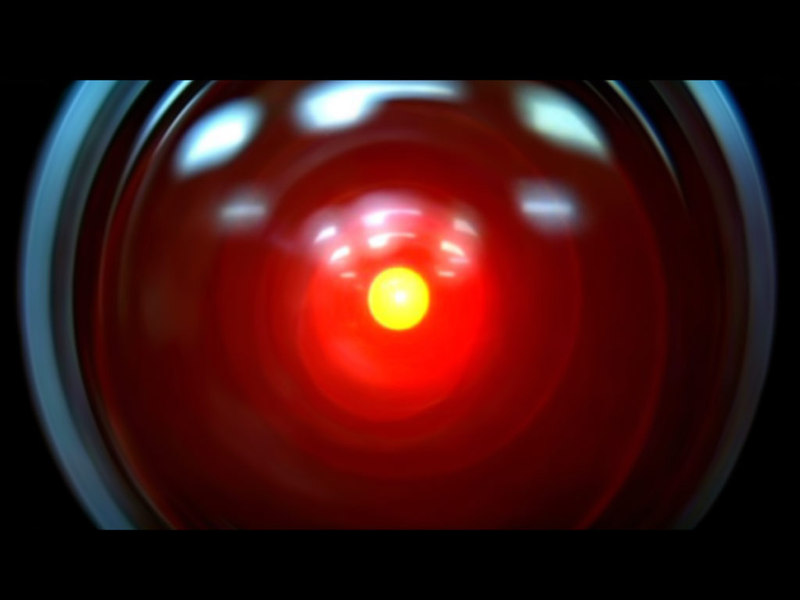
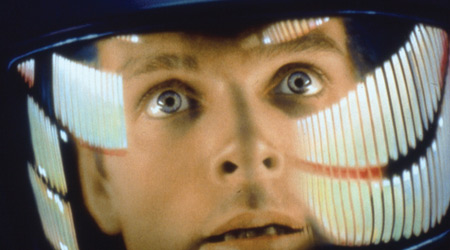
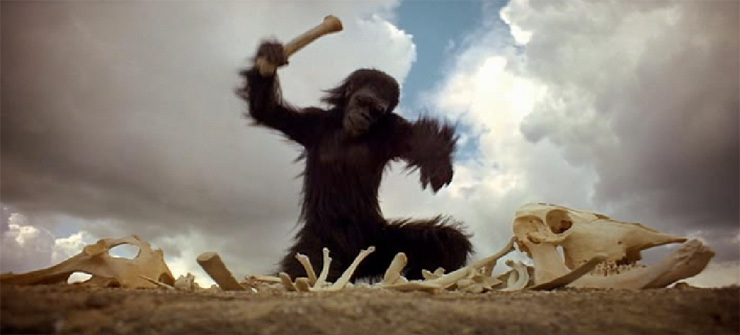
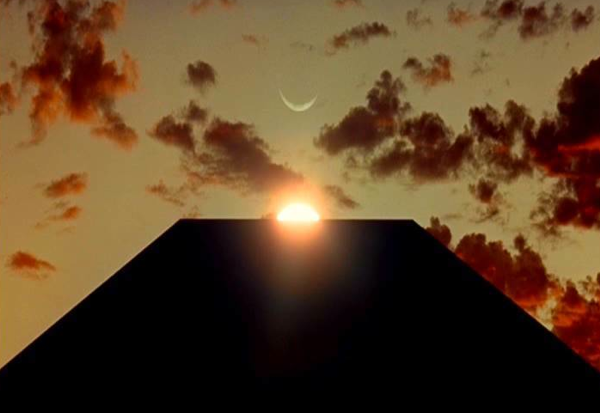
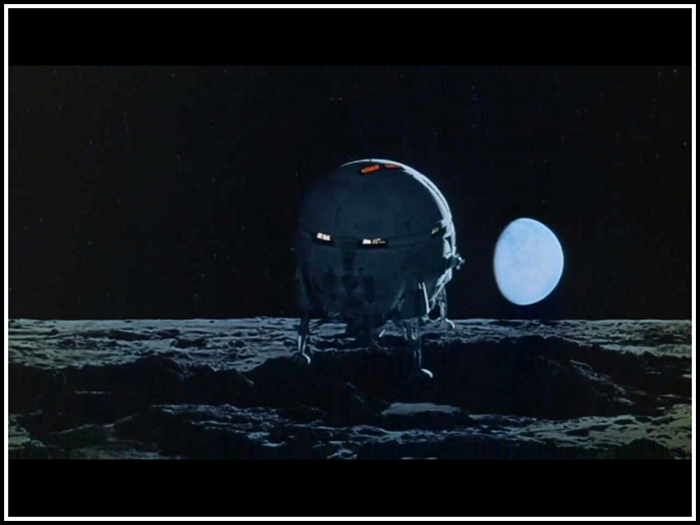
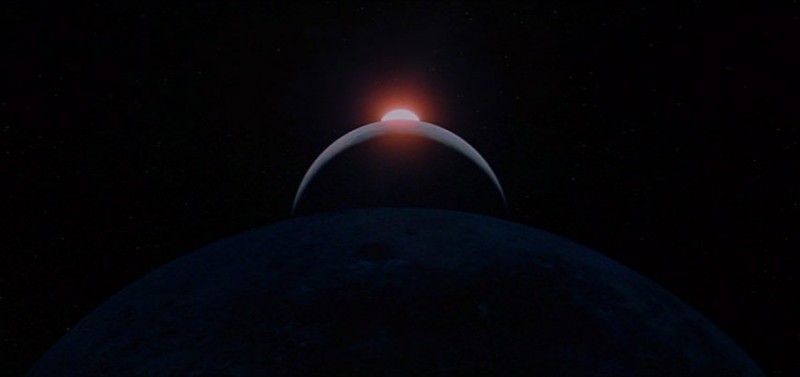
Today’s cinema adventure: 2001: A Space Odyssey, Stanley Kubrick’s landmark 1968 epic that not only revolutionized and legitimized the sci-fi genre but has come to be reckoned as one of the greatest English-language films ever made.  Working from his own screenplay (co-written by famed sci-fi author Arthur C. Clarke), which frames the expansive narrative as a sort of interplanetary mystery about the discovery of an ancient monolith and the subsequent space mission to learn its secrets, Kubrick’s mastery turns what could have been a B-movie potboiler into a breathtaking and hypnotic exploration of Man’s relationship with the universe.  With subtle, elegant simplicity, he opens up questions about our origins, our struggle to survive the threats posed both from without and within, our ability to adapt and utilize the knowledge we accumulate, the future towards which we are headed, and the nature of reality itself.  Don’t be fooled by the title into thinking that this film is dated- though the precision of the forecast may be a little off, Kubrick’s vision of the future is decidedly- even chillingly- apt (I defy anyone who knows this film to engage Siri on their iPhone without thinking uncomfortably of the infamous HAL 9000); and the special effects, designed by Douglas Trumbull, capture the immensity, the cold sterility, and the mechanics of space with an authenticity (and a beauty) that has yet to be surpassed, even in today’s CG-laden blockbusters.  I could go on and on about the ingenious use of sound, the now-iconic use of classical music for scoring, the stunning visual artistry which works on every level from the spectacular to the subliminal; and I could warn less adventurous viewers about the lengthy abstract climax which defies the logic of linear storytelling; but it seems far more useful to encourage anyone who has yet to see this cinematic treasure to do so ASAP- and preferably, if you are lucky enough, on a big screen as it was meant to be seen, as I did last night.  I can’t guarantee you won’t hate it- some do, for various reasons- but at the very least, you owe it to yourself to experience one of the masterpieces of contemporary cinema; and however you react to it, it will be sure to stimulate thought and conversation, and what more could one possibly ask from a work of art?

imdb: http://www.imdb.com/title/tt0062622/