Nine to Five (1980)

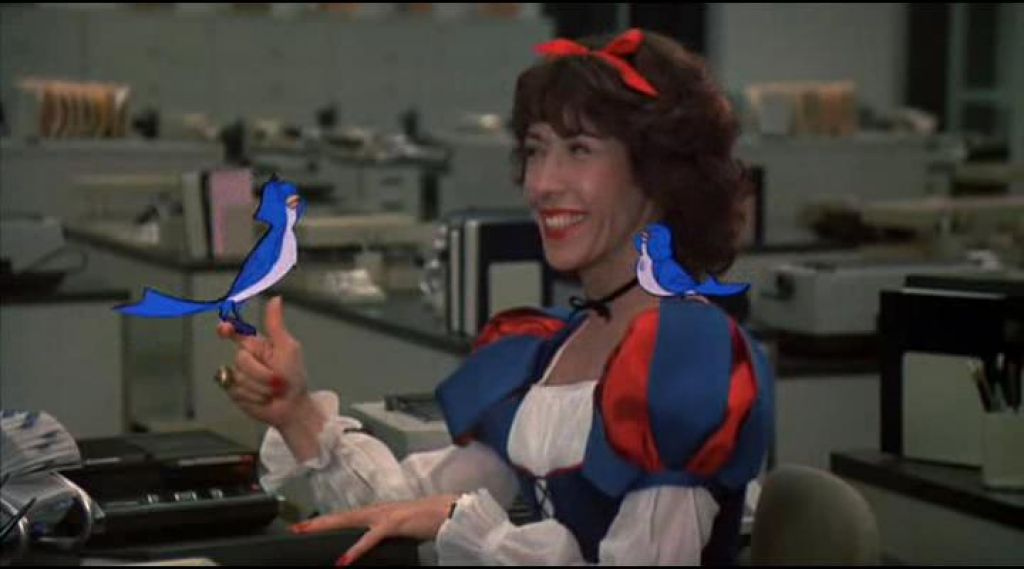
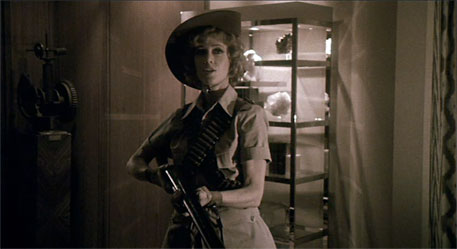
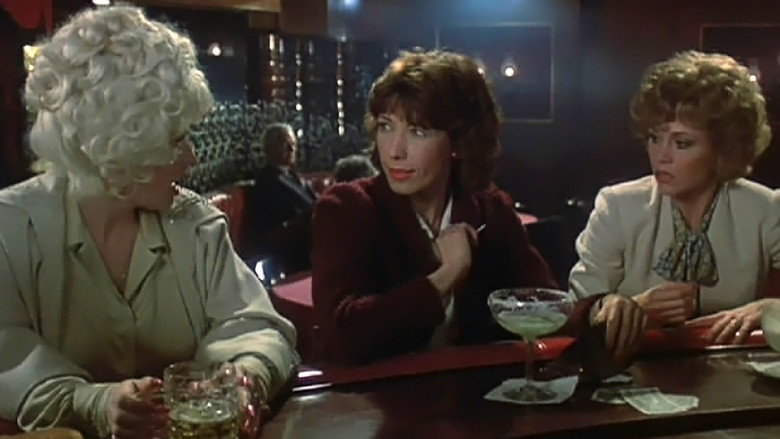
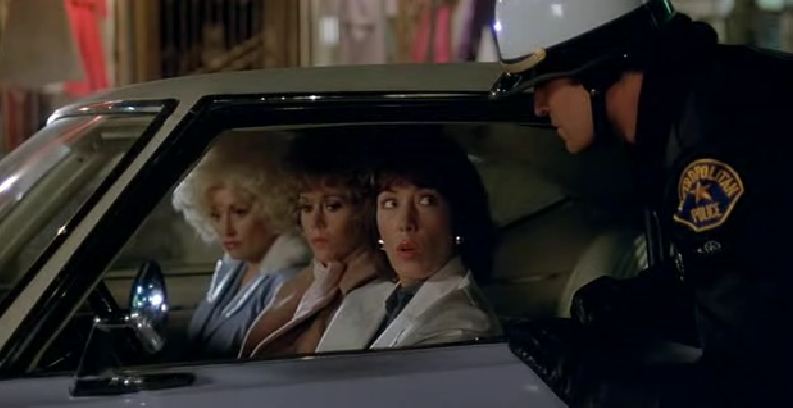
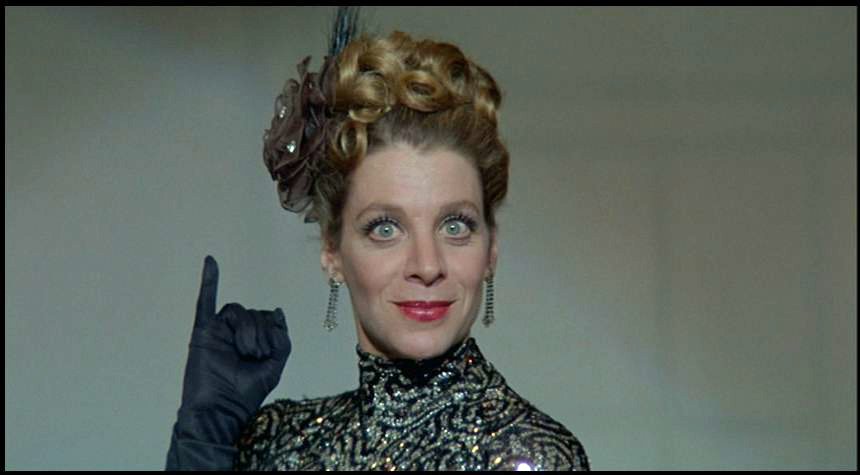
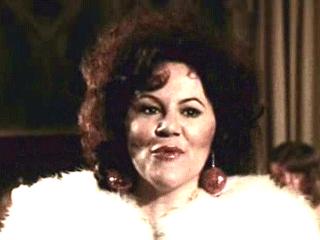
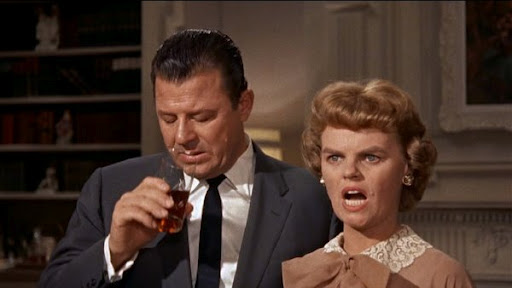
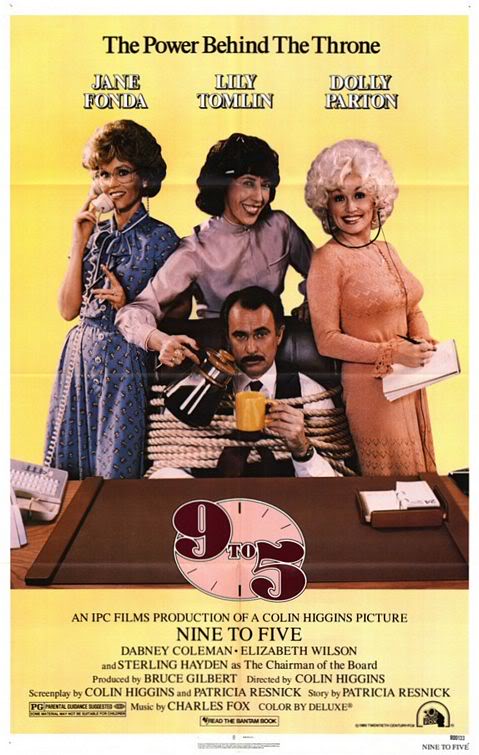
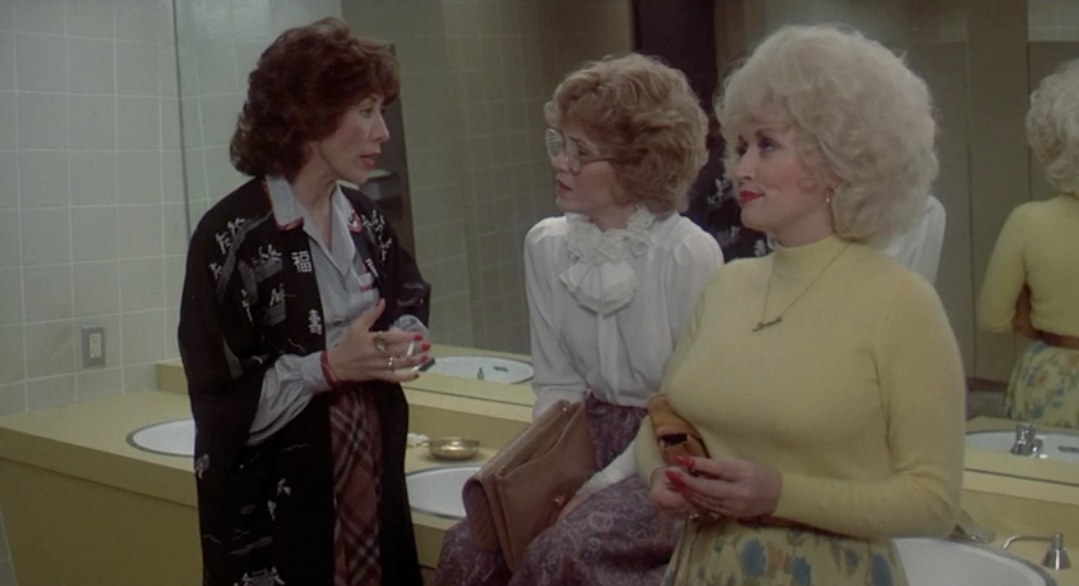
Today’s cinema adventure: Nine to Five, the 1980 comedy caper that became a popular hit on the strength of its pro-feminist sentiment and made country-western singer Dolly Parton into a bona fide movie star by teaming her with established box office draws Jane Fonda and Lily Tomlin.  Following the exploits of three long-suffering office workers whose fantasies of revenge against their chauvinistic and dishonest boss become reality when they believe they have inadvertently poisoned him, director-and-co-writer (with Patricia Resnick) Colin Higgins attempts to mine laughs from the situation as his trio of heroines take advantage of their accidental roles as champions of female empowerment to strike some serious blows against the male-dominated order and implement sweeping workplace reforms in the world of corporate greed in which they are employed.  However, despite the considerable chemistry generated by its three stars and its frequent use of broad slapstick, the film contains few laugh-out-loud moments; most of the comedy seems predictable, falling back on the familiar clichés of countless movies that came before, with the result that the humor feels forced, imposed upon a story with higher aims in order to make it more palatable.  Higgins’ direction, however, does a marvelous job of creating the impression that there is a lot more smart, funny content here than there actually is: a terrific opening montage (truthfully, the film’s best sequence) sets the stage by showing us an entire city’s worth of hassled, stressed-out, put-upon commuters struggling to start yet another demeaning, frustrating day at work; and the use of a seventies-flavored realism in the lighting and cinematography contrasts nicely with the candy-colored trappings imposed upon the grim, utilitarian settings, reinforcing the theme of humanity struggling to assert itself in an oppressive environment.  As for the performances, the three stars are unquestionably delightful together; individually, however, one can’t quite escape the feeling that something is missing.  Fonda seems out of place as the recent divorcee braving the workplace for the first time, wearing her persona of sheltered naïveté like an ill-fitting costume; and Tomlin seems equally uncomfortable in the role of an exceptional woman whose gifts have been long subjugated, exuding a subdued bitchiness that somehow feels more bitter and mean than it might if she truly sank her teeth into it.  That leaves Parton to shine, which she does, stealing every scene with her now-familiar brand of sweet-but-feisty charm; and her refreshing energy is enough to overcome the shortfalls in her co-stars’ efforts and unite the trio as a formidable team; though the ultimate effect is a suggestion that it is their combined strength that gives them their power, it seems unlikely that this was intentional.  As for the remaining cast, Dabney Coleman is so on-target as the ladies’ loathsome boss that the character shaped and limited his subsequent career irrevocably; and veterans Elizabeth Wilson and Sterling Hayden (in one of his final screen appearances) add a touch of distinction to roles which are otherwise just office stereotypes.

Nine to Five became an instant hit upon release and remains a kind of minor classic today despite its numerous flaws; indeed, despite my above criticisms, I find myself holding on to a fond memory of it.  It’s a hard film not to like, one that seems greater than the sum of its parts, inspiring its audience to cheer on its protagonists, and providing an enjoyable- if unremarkable- two hours’ worth of entertainment.  Perhaps its staying power is due to its place in history; it represents a final flourish of seventies liberalism, a celebration of progressive populist values coming just before the Reagan era rolled over the cultural landscape, re-shaping it with trickle-down economics and populating it with voraciously greedy yuppies.  Watching it today, one can’t escape a feeling of bittersweet irony: its wish-fulfillment fantasy resonates with the cause of the underdog, those overworked and underpaid minions of the corporate empire, and seems brimming with the promise that social attitudes were poised to bring about the change depicted within; in fact, the opposite proved to be true- the liberality of the seventies was about to be shelved for a decade of self-aggrandizing greed.  In a way, the film foreshadows this, too: it’s very telling that the three heroines of Nine to Five succeed by beating their oppressor at his own manipulative, dishonest game instead of changing it for the better; and in the final moments we are informed (by the obligatory “where are they now?” subtitles) that two of them will abandon the fight for equality in favor of more traditional forms of feminine success.  Still, though it does less redefining of women’s roles in the workplace than reinforcing of the old stereotype of women as the unseen force behind the scenes, there is something gratifying about watching these three feminine underdogs stick it to the man; and that alone is enough to make Nine to Five seem as infectious and invigorating as its beloved title song.

http://www.imdb.com/title/tt0080319/
The Cabinet of Dr. Caligari/Das Cabinet des Dr. Caligari (1920)

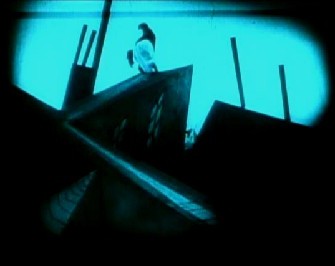
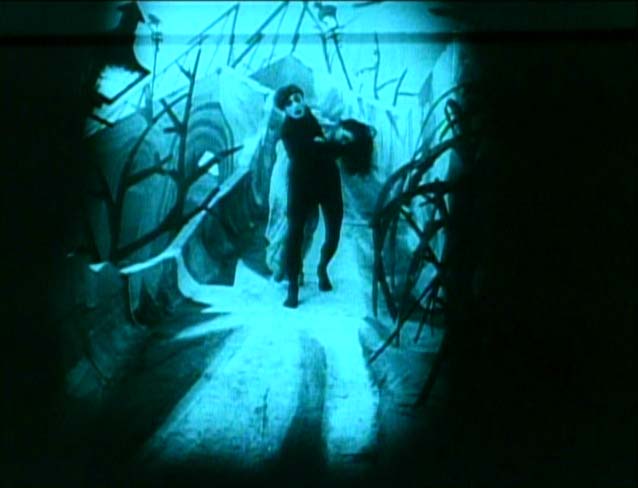
Today’s cinema adventure: The Cabinet of Dr. Caligari, the 1920 cinema cornerstone that established enduring conventions for the horror genre- indeed for cinema itself- and for the general public at least, has become one of the most recognizable representations of the German Expressionist movement.  A bizarre tale about a mysterious carnival magician whose hypnotized slave commits a series of murders at his bidding, this landmark film was first conceived by its writers, Hans Janowitz and Carl Mayer, as a way to demonstrate the effectiveness of film as a medium for Expressionist art, and also to establish a definitive look for German cinema that would distinguish it from the growing influx of American movies to their country. The resulting work is one of the most distinctive visual experiences ever produced, featuring wildly distorted scenery (abstract, asymmetrical sets with sharp, jagged lines, obvious and elaborately theatrical backdrops with painted-on shadows) highly dramatic lighting, and a heightened acting style that seems exaggerated even compared with other silent films of the time; it was an experiment which only took place because the writers persuaded producer Erich Pommer that making the film in this style would save considerable amounts of money.  These creative pioneers- including director Robert Weine, who was brought on board when rising wunderkind Fritz Lang was unavailable- believed that their bold new approach would change the art form forever; however, though Dr. Caligari met with enthusiastic response from audiences and critics alike, and stirred much excitement in the world’s blossoming film community, it failed to lead the industry away from the more mundanely representational style in which it remains more-or-less grounded to this day.

This is not to say that the film had no bearing on the future of cinema.  Its visual conceits and thematic elements have provided immeasurable inspiration for filmmakers from F.W. Murnau to Tim Burton and beyond. Its macabre tone and gruesome content influenced not only the future of the horror genre but the entire film noir movement as well.  It set the precedent for using cinematic embellishment to suggest altered states of consciousness: virtually every film depicting dreams, delusions, or drug-induced hallucinations can trace its heritage back here.  Most important of all, perhaps, was its establishment of numerous structural conventions that have been in continuous use ever since: by constructing its grim story as the remembrance of a young man who is ultimately revealed to be a delusional patient in a mental hospital, Dr. Caligari became the first film to feature a framing device bookending its main narrative, to rely on an unreliable narrator, and to surprise its audience with a twist ending.  None of this is to say that later filmmakers could not have made these innovations on their own- but Caligari went there first.

All this film class trivia is well and good, but how does The Cabinet of Dr. Caligari  hold up today for the casual viewer simply seeking entertainment?  Probably not well: the world is a much different place than it was in 1920, and we have been inundated with stories and images much more shocking and terrifying than those in this film- which, ironically, opened the door for all of them.  The conventions of fiction observed within it seem quaint and unsophisticated by our jaded modern standards, and the performances, with their jerky, unnatural physicality and their often-seemingly-inappropriate facial expressions (to say nothing of their histrionic, over-the-top style) seem unconvincing and inaccessible to us.  To top it off, its outrageously artificial visual style is so alien and disconcerting that it only serves to distance us further from the events onscreen, ensuring that we will never become viscerally engaged in the proceedings.  Of course, it’s true that these qualities were present even when Dr. Caligari was made- deliberately included as part of the Expressionist form intended and carefully crafted by its creators- but historical context has no bearing on our contemporary requirements for suspension of disbelief.

Before concluding, however, that Caligari has no value for any modern viewer who is not a film buff or an art enthusiast, it might be wise to look past the obvious sensibility gaps created by its distance from us in time.  It was never meant to be a purely escapist experience, even when it was conceived nearly a century ago; rather, it was- and is- a vivid and fully realized vehicle for Expressionist themes such as paranoia and the unreliability of perception, and an impressive presentation of the movement’s distinct visual style, comprised of crude, primal imagery that works on the subconscious to elicit a strong emotional response.  Its effectiveness is even keener in its restored form, which not only returns sharpness and luster to the once-faded print but also recreates the original hand-tinted colors, helping to clarify the story by differentiating day from night, and polishing up the intertitles with a font and style coordinated with the bizarre content of the story they tell.  A viewing of Dr. Caligari is hallucinogenic enough on a small screen, and though I’ve never had the opportunity to do so, I suspect that seeing it projected larger than life in a darkened theatre would be akin to experiencing a full dream state.

It’s also worth mentioning that although the stylized acting is hard to assess fairly from a standard modern perspective, Werner Kraus and Lil Dagover, as the mad magician and tragic damsel, respectively, have become iconic as personified archetypes of the collective consciousness; and as Cesare, the tormented somnambulist, Conrad Veidt is electrifying, using his remarkable physical skills and his expressive face to transcend both genre and style, and delivering perhaps the first truly great film performance- one which continues to inspire and influence actors to this day.

So although The Cabinet of Dr. Caligari may not offer the kinds of thrills and chills sought by the average viewer looking for a lively horror film, it certainly offers many other rewards.  There are good reasons why it has been celebrated, emulated, re-invented, re-adapted, saluted and parodied so many times over the decades; it is part of our cultural makeup, and if that is enough to get you to watch it, you may find yourself enjoying its twisted pleasures in ways you never expected.

 http://www.imdb.com/title/tt0010323/

All That Jazz (1979)

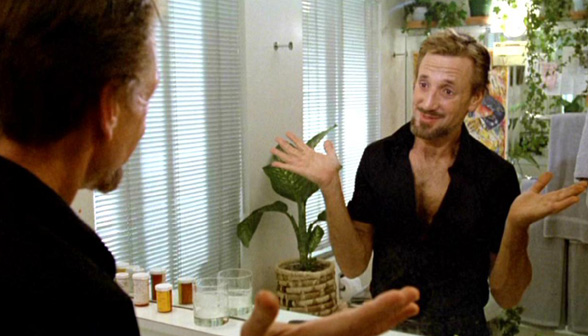
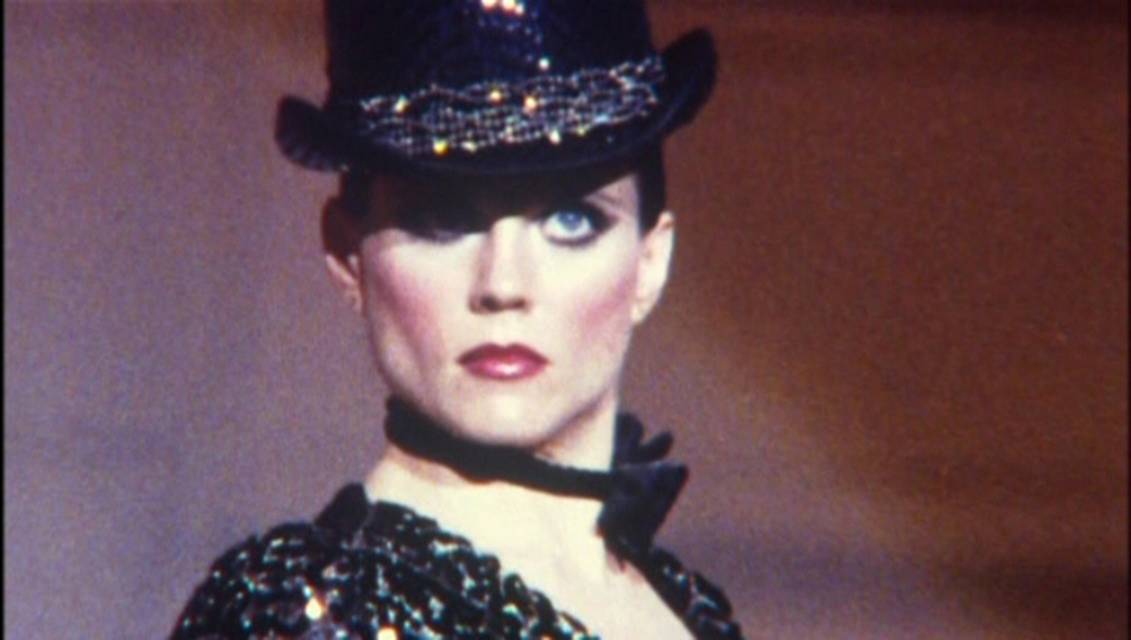
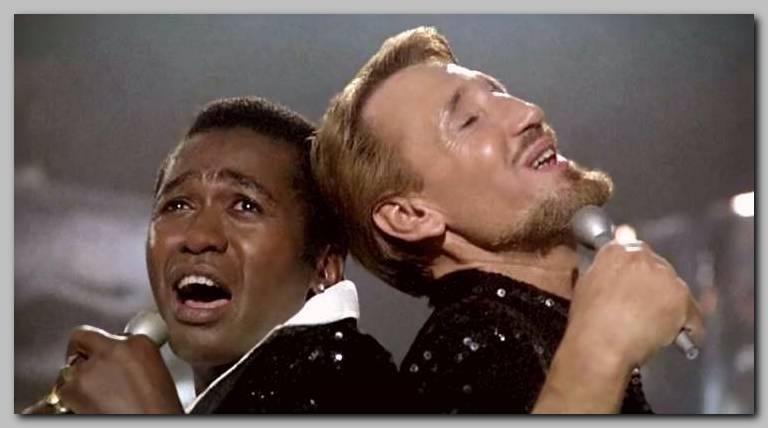
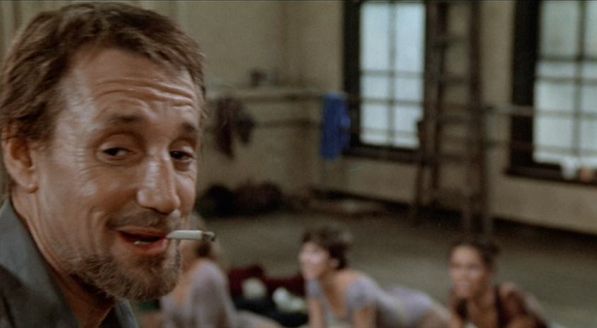
Today’s cinema adventure: All That Jazz, the 1979 feature by Bob Fosse which reinvents the “backstage musical” as a fantasia on death and show business.  Framed as a portrait of Joe Gideon, a workaholic director/choreographer whose self-destructive habits sabotage his life and his relationships, the film is in reality a thinly-veiled autobiographical exploration of Fosse himself, documenting his failures as a husband, father and lover, depicting his excessive use of cigarettes, drugs and alcohol, exposing his serial womanizing, and revealing his obsessive dedication to his work as both an escape from and a response to the downward spiral of his personal life.  More importantly, it is a vehicle for the legendary director- with the help of co-screenwriter Robert Alan Arthur- to deliver his cynical observations about the entertainment business and its people, and a stylized allegory of his long flirtation with death- personified here by a mysterious, angelic woman in white, with whom Gideon carries on a hallucinatory fantasy dialogue, interpolated with the scenes of his life in the “real” world.  Laced with gallows humor, it’s a film which gets most of its mileage from contrasts- between the slick veneer and the seedy underbelly of the world it presents, the syrupy platitudes and the cold-hearted motives of the people who inhabit it, and the self-loathing and the self-aggrandizement that characterize its central figure- and by extension, the director himself.  Standing in for Fosse onscreen is Roy Scheider, whose performance as Gideon was derived from first-hand observations on the set, and provides a highly truthful and sympathetic representation of a man, weary from a lifetime of literally and figuratively “putting on the show,” who is so jaded and hollow that he is unable- and unwilling- to distinguish truth from illusion.  The ethereally beautiful Jessica Lange provides a chilling blend of seduction and sincerity to her embodiment of the angel of death, lending real emotional weight to the prospect of a final embrace; and the remainder of the cast- which includes some of Fosse’s own paramours as some of Gideon’s, as well as a sizeable collection of real-life Broadway performers portraying various denizens of the show biz circus that surrounds his life- do a superb job of capturing the authenticity of Fosse’s world.  Of course, the real star of this mix of cold reality and Fellini-esque fantasy is Fosse himself- for as elaborate as the film’s dramatic structure may be, it serves primarily as a framework for numerous displays of his legendary gifts as a choreographer, captured by the first-class cinematography of Guiseppe Rotunno and performed by practitioners well-versed in his distinctive style by years of first-hand experience.  These range from the breathtaking and justly famous audition montage which opens the film, to the erotically-charged airline number with which Gideon shocks and dazzles his producers, to the macabre hospital hallucination sequence featuring Busby Berkely-style feather dancers, to the culminating jazz/rock fantasy that serves as a grand finale for both the film and its protagonist’s life.  Whatever unique insights may be offered by Fosse’s look at his own psyche, the foremost value of All That Jazz comes from these dance sequences which offer perhaps the quintessential representation of his iconic style on film.  For many viewers, the highly theatrical, stylized conceit upon which the film hinges may seem too heavy-handedly symbolic, but it must be remembered that Fosse is not attempting to present a universal picture of humanity and death, merely his own personal take derived from a lifetime of channeling reality into fantasy; and if the self-observations he presents ultimately seem, despite their seemingly brutal honesty, to be just one more level of show-biz B.S., his perspective on himself acts as a microcosmic illumination of the dangers and demons of the creative personality, and as a warning to avoid the pitfalls which he so whole-heartedly embraced.

http://www.imdb.com/title/tt0078754/

Sebastiane (1976) [Warning: some images may be NSFW]

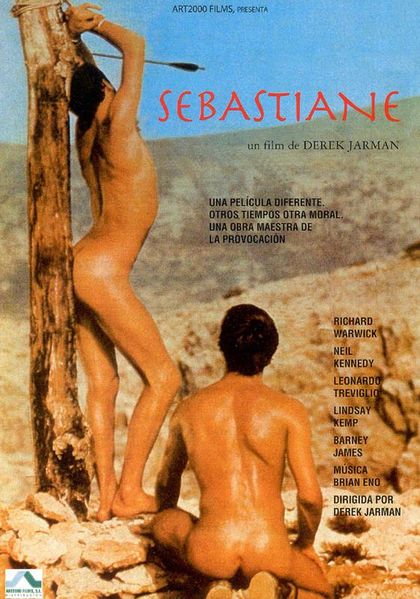
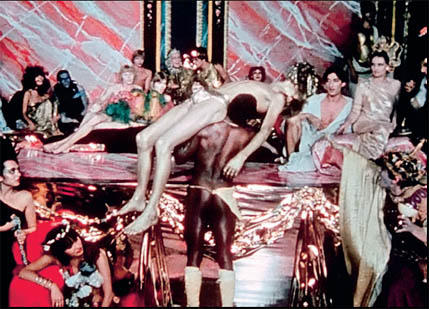
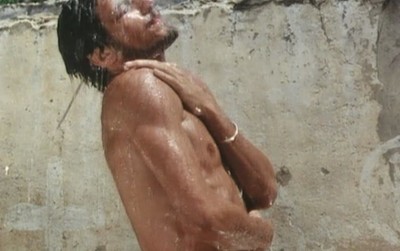
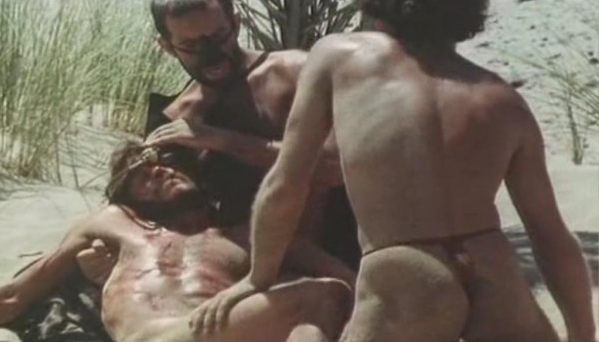
Today’s cinema adventure: Derek Jarman’s 1976 debut feature, Sebastiane, a fictionalized vision of the martyrdom of St. Sebastian, presented less as a meditation on spiritual themes than as a homoerotic fantasy in which the soldier Sebastianus, after falling from favor with the Roman Emperor Diocletian, is exiled to a remote oupost in the wilderness, where his refusal to yield to his commanding officer’s obsessive lust eventually leads to his ritual execution by arrows.  A work that is historically significant not only for being the first film produced in authentic Latin (and as such, the first British-made movie to be shown in England with subtitles), but- more importantly- for the prologue featuring an erotic dance by legendary glam-era performance artist Lindsay Kemp and his Troupe, and its inclusion of an early score by electronic music pioneer Brian Eno, Sebastiane was never anybody’s idea of a mainstream film, not even its creator’s.  Like most of Jarman’s films, it’s not big on story, but despite its shoestring budget, it is lovingly and beautifully shot, each frame artfully crafted so that the final result resembles a Renaissance painting in motion. The extensive nudity (all male, of course) was explained by Jarman as being because they “couldn’t afford costumes” (sure, Derek, sure… we believe you), and needless to say the film was highly controversial at the time of release; but although many viewers may fixate on what often seems like gratuitous nudity and sexual content, Jarman is not merely concerned with exploiting or even celebrating the male form; he has much to say about the issue of homosexual shame.  On the surface, the film would seem to comply with the traditional Catholic assertion that homosexual behavior is a sin to be forsworn, and that Sebastianus’ fate is to be sacrificed to that ideal, destroyed by unrepentant sinners for his refusal to debase himself- a decidedly conflicting message, when one considers the fact that the film is heavily laden with imagery clearly intended to elicit homosexual fantasies.  Certainly these themes of religiously-fueled guilt are in play within Sebastiane, and Jarman undoubtedly wrapped some of his own spiritual struggles into his film; but like most art, the true nature of the themes expressed lies beneath the obvious details.  Sebastianus’ rejection is of the flesh itself, regardless of sexual orientation: it is his devotion to a life of the spirit that makes him an outcast and a martyr, and it is the jealousy and pride of those who fail to understand him that leads to his death; in the end, sexuality is irrelevant here, and Jarman’s true indictment is against the base and brutal tendencies of stereotypical masculinity, the hypocrisy of judgement and violence against those who do not conform to the status quo, and the arrogance of those who choose to subvert their own spirituality to their egotistical desires and insecurities.  In short, the film is more about homophobia than homosexuality, and its abundance of homoerotic imagery is as much to incite as to excite.  Of course, that same imagery is sufficient to ensure that the majority of religious bigots will never see this film, so in a way, Sebastiane is a prime example of an artist “preaching to the choir;” and, truthfully, the copious amount of it ultimately displaces Jarman’s higher purpose, so that his inaugural cinematic excursion ends up being more stimulating on a decidedly lower level.  My own reaction: it’s a very pretty movie to look at, and probably one of the most erotic ones I have seen (much more so than porn, actually); but at times I couldn’t help being reminded of those soft-core late-night “Skinemax” flicks I would sometimes catch my Dad watching at 3 in the morning… slow motion photography of someone taking a shower, with the frame cropped in just the right place to keep it from being obscene, that sort of thing, except instead of beautiful women, here it was beautiful men.  I can’t say I had any complaints, but I was ready for it to be over about 30 minutes before it actually was.  It might have helped if the actors (Leonardo Treviglio as Sebastianus, supported by Barney James, Neil Kennedy, and Richard Warwick, among others- none of whom had significant careers afterward) had delivered performances that were as beautiful as their bodies… but I guess we can’t have everything.

http://www.imdb.com/title/tt0075177/

Eating Raoul (1982)

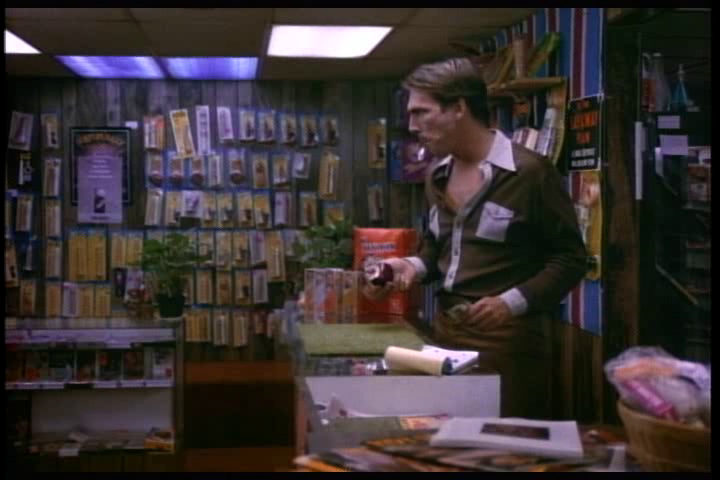
Today’s cinema adventure: Eating Raoul, the dark 1982 low-budget satire which became a surprise hit and helped to start a wave of goofy “camp” comedies that pervaded the rest of the decade.  Director/co-writer Paul Bartel, an exploitation cinema veteran, also stars with longtime friend and frequent co-star Mary Woronov as a married pair of sexual squares who lure “swingers” to their Hollywood apartment and kill them with a frying pan in order to finance their dream of opening a restaurant.  Macabre as the premise seems- and in spite of a plot which features such elements as rape, serial murder and cannibalism- the film is kept light and fun by a healthy dose of good-natured kitsch and by its ridiculously over-the-top portrayal of the lurid “swinger” culture and its sexually liberated denizens.  Bartel and Richard Blackburn’s screenplay is loaded with pseudo-shocking dialogue which exploits the ridiculousness of both prudish repression and extreme sexuality, peppered with great deadpan one-liners, and thematically unified by an exploration of the depravity hiding just under even the most respectable-seeming surfaces.  Clever writing aside, the primary factor in the film’s success is the charm of its leading players: Bartel is somehow likeable and endearing despite his pompously indignant and über-nerdy persona; former Warhol “superstar” Woronov is a complex confection, undercutting her character’s uptight austerity with smoldering sensuality and a girlish vulnerability; and the chemistry between these oddball stars is palpable- they are clearly driven by the same skewed vision.  Rounding out the main cast is Robert Beltran, equally charming and sympathetic as Raoul, the hot-blooded Latino hoodlum who attempts to blackmail and come between the couple- and whose ultimate fate is foreshadowed by the tongue-in-cheek title of the film.  In addition, there are some delightful cameos by comedic masters such as Buck Henry, Ed Begley, Jr., and the incomparable Edie McClurg.  The sordid proceedings play out against a now-nostalgic backdrop of seedy Los Angeles locations, accompanied by a quirky and eclectic soundtrack and driven at a brisk pace by Bartel’s quietly masterful direction.  Don’t get me wrong here- Eating Raoul is by no means a masterpiece, even in the world of underground cinema- it lacks the anarchic, subversive edginess of a John Waters film, and its “shocks” are pretty tame, even by 1982 standards- but it is nevertheless a delight to watch, perhaps because for all its satirical snarkiness and its unsavory subject matter, there is an unmistakable sweetness at the center of its black little heart.

http://www.imdb.com/title/tt0083869/

Dog Day Afternoon (1975)

Image

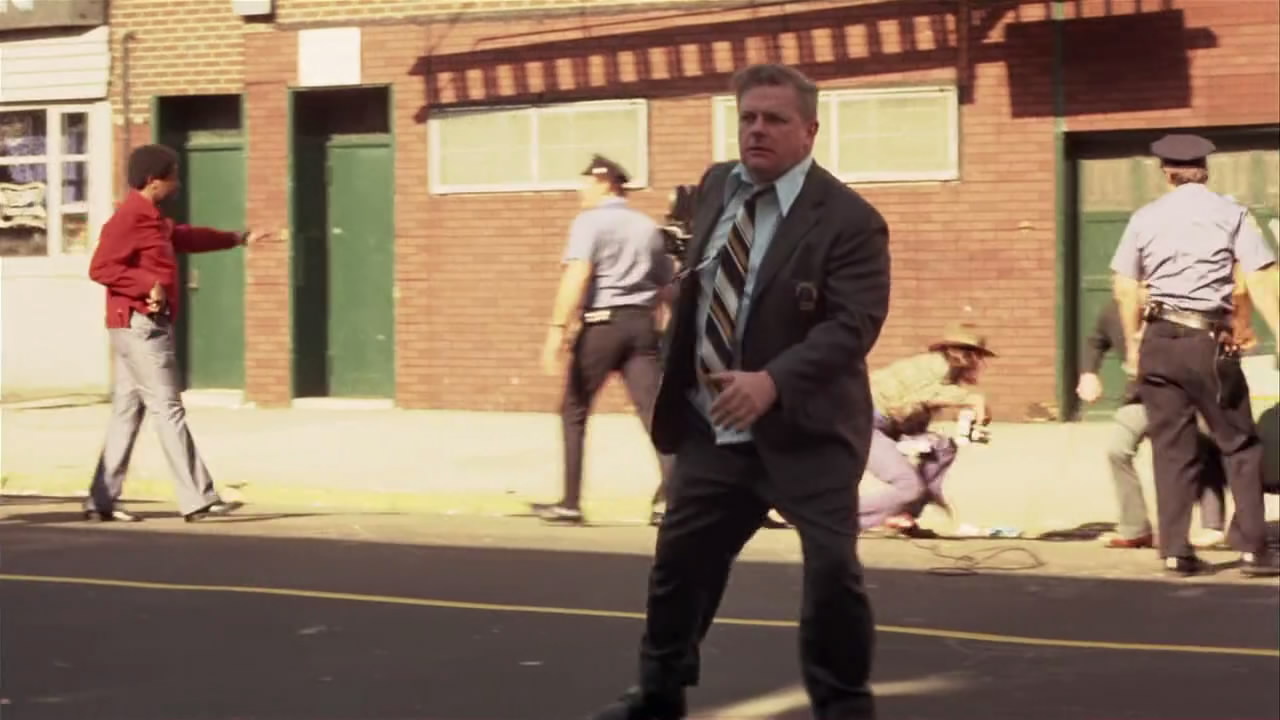
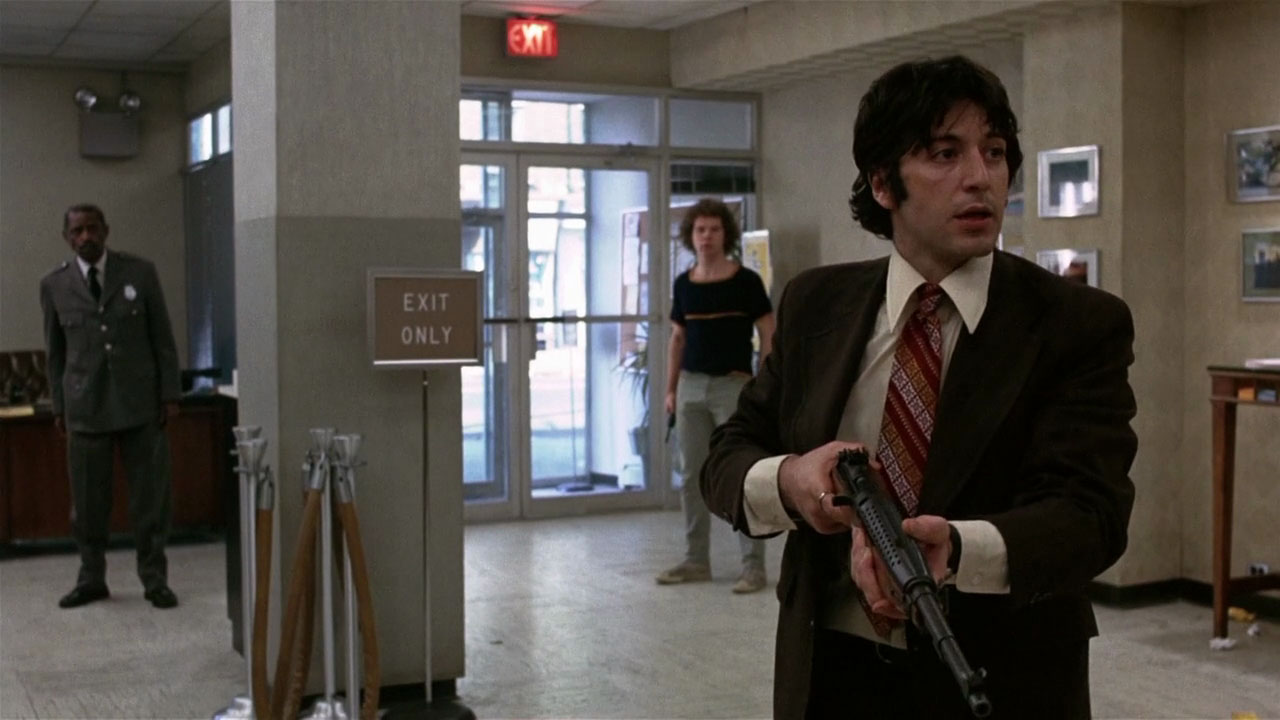
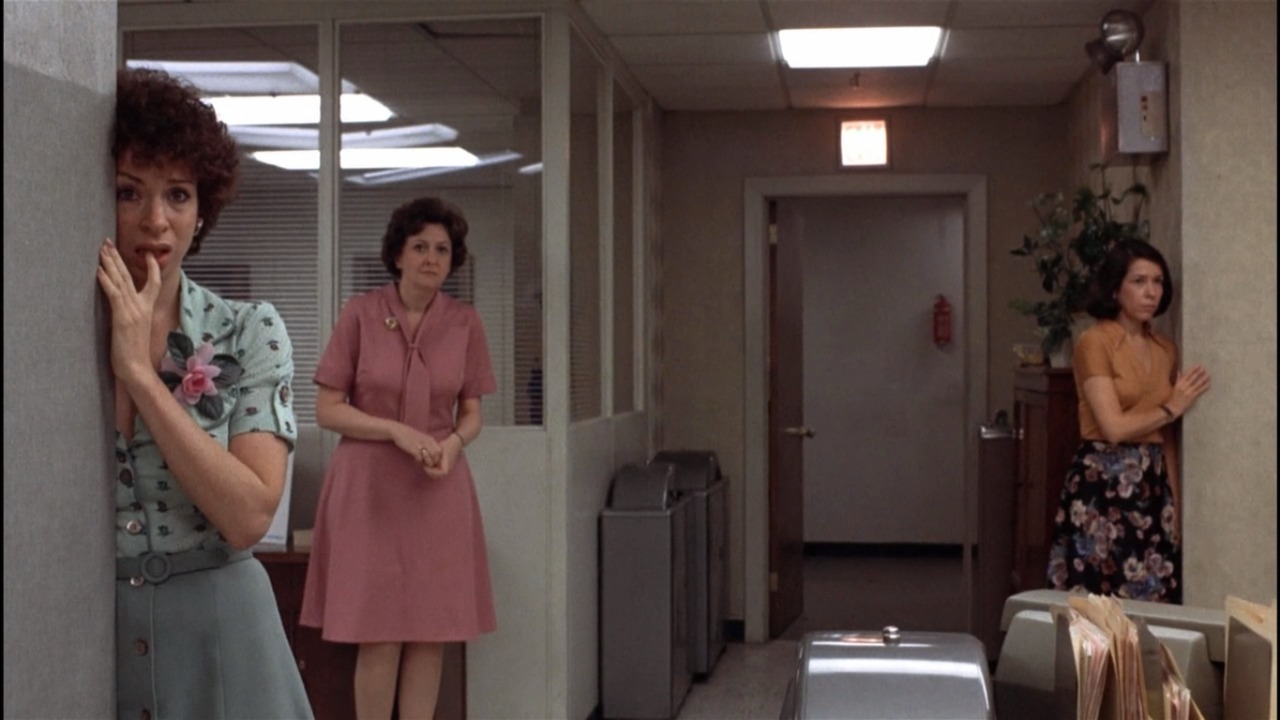
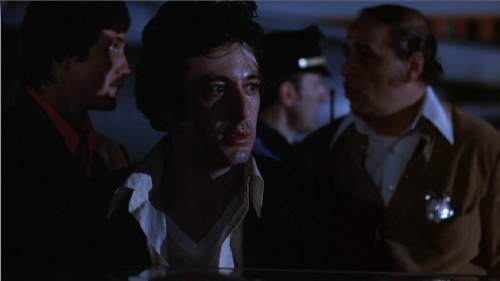
Today’s cinema adventure: Dog Day Afternoon, the 1975 Sidney Lumet feature about a real-life bank heist gone wrong, in which a troubled Vietnam war veteran attempts to obtain the money needed for his gay lover’s sex change surgery and ends up at the center of a hostage situation that turns into a media circus. A prime example of seventies “New Hollywood” cinema, this gripping gem achieved much popularity due to its anti-establishment undertones and the performance of Al Pacino, who was at the height of his rising stardom. Director Lumet, also at the peak of his career, steadily drives the brilliant Frank Pierson screenplay by allowing the story to unfold through the characters, resulting in a slow-but-steady paced film that remains emotionally grounded as it moves through the escalating complications of the plot, building tension by keeping us invested as it moves towards its inexorable conclusion; in addition, by focusing on the immediacy of the human element, Lumet succeeds in creating a microcosmic fable with complex political and social overtones woven into its fabric without ever letting these larger themes overwhelm the immediacy and intimacy of its simple story. The power of the film as a whole is seamlessly connected to the magnificence of Pacino’s embodiment of the likable loser at its center; his sharply honest portrayal allows us to instantly connect with the core of his character as he wavers between gullibility and cynicism, despair and determination, kindness and cruelty- seemingly the entire contrasting myriad of human emotion. It’s hard not to be on his side, no matter how ill-advised his actions may be; we share his giddy thrill when he stirs the crowd with his chants of “Attica!,” and we feel the crushing pressure as he tries to negotiate an acceptable way out of the no-win situation he is in- both in the bank and in his life. Backing him up is a quietly brilliant cast of supporting players, from John Cazale as his slow-witted accomplice and Charles Durning as the police negotiator trying to diffuse the situation, to the ensemble of bank-employees-turned-hostages who convincingly bond with their unwilling captor. Special praise, however, should go to Chris Sarandon, as Pacino’s gender-swapping lover, who delivers his two scenes with a sensitivity and a dignity that provide the bittersweet heart upon which the entire plot hinges. It is worth mentioning, in fact, that the homosexual elements of the film are handled with objectivity and a marked lack of stereotyping- a fact made all the more remarkable by the era in which it was made, which helps to make it stand as strong today as it did upon its first release nearly forty years ago. (As a side note, it is interesting to know that the film’s real-life inspiration, John Wojtowicz, used his proceeds from the sale of his story to finally fund his lover’s sex change; so in a roundabout way, his scheme ended up being successful after all). All in all, Dog Day Afternoon is one of those classics that define an era, a representative work from a time when American cinema blended realism with art to create a kind of visual poetry, a document testifying to the character of our culture and capturing the essence of our concerns. Not only that, it is a reminder of a time when Hollywood gave us stories that grew out of the people in them instead of relying on gimmicky, formulaic plots with the people grafted in- and though I’m not one to bemoan the passing of the “good old days,” it’s certain that today filmmaking establishment would be completely unable- or at least unwilling- to create a film with the kind of simple, non-CG-powered thrills provided here. Of course, you don’t need all these justifications for checking it out. The only reason you need is the best reason of all: it’s a damn good movie.

http://www.imdb.com/title/tt0072890/

ImageImageImageImageImageImageImageImageImageImageImage

Cat on a Hot Tin Roof (1958)

Image

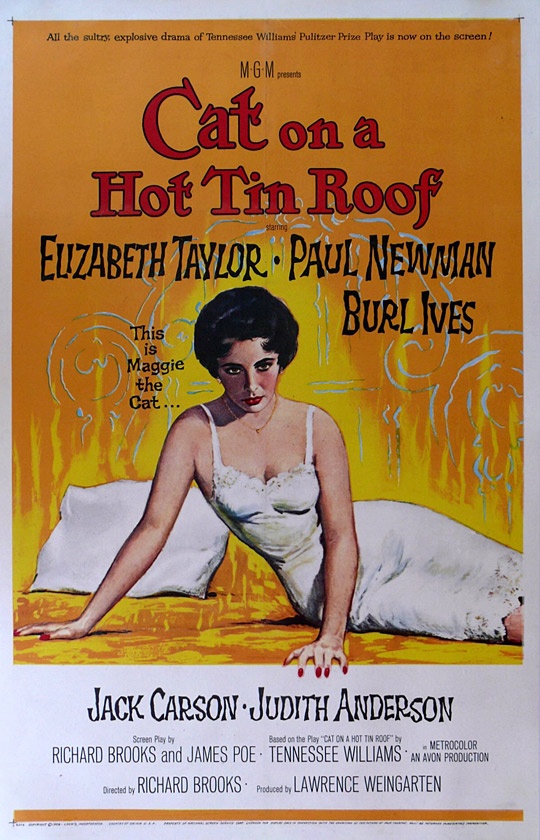
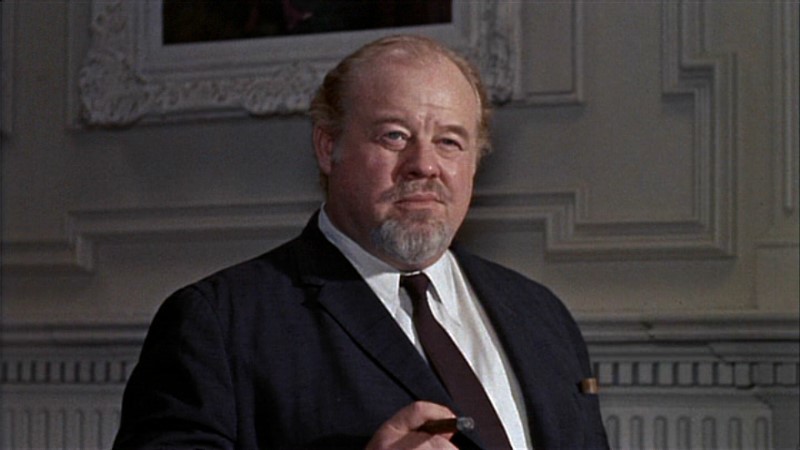
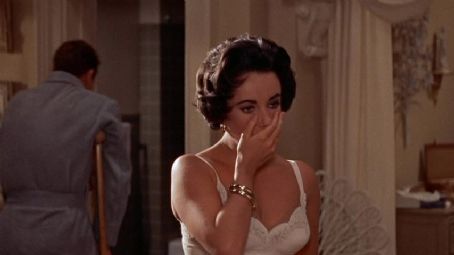
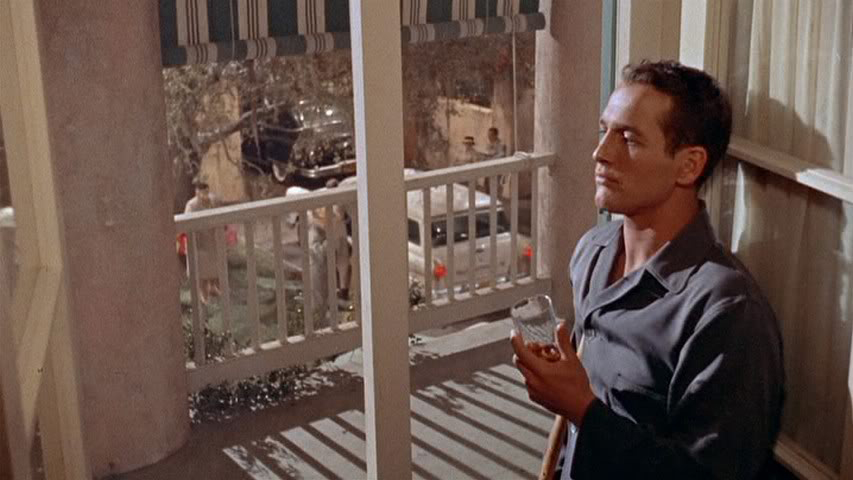
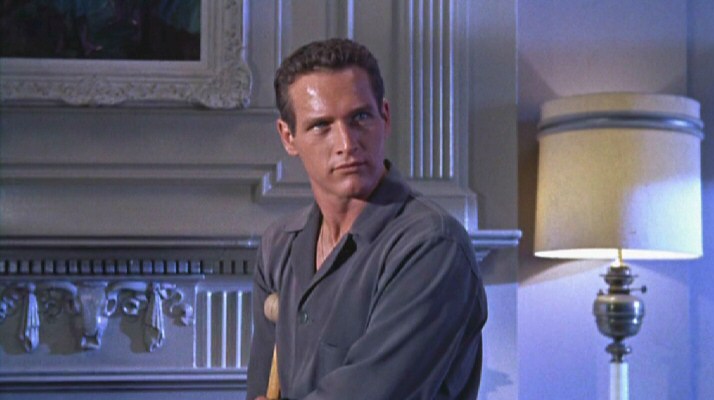
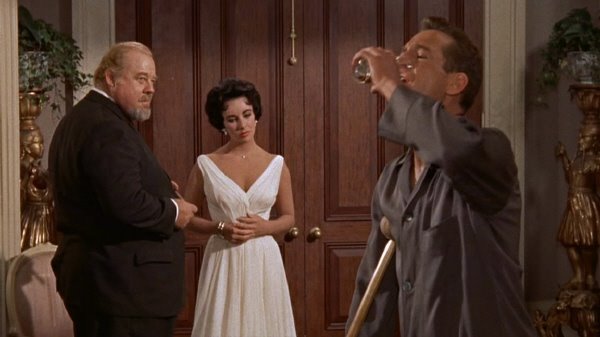
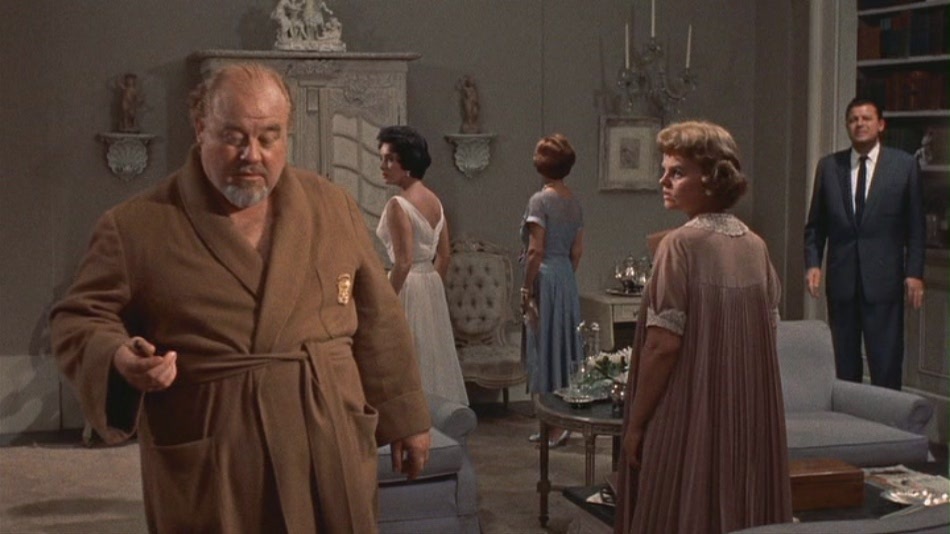
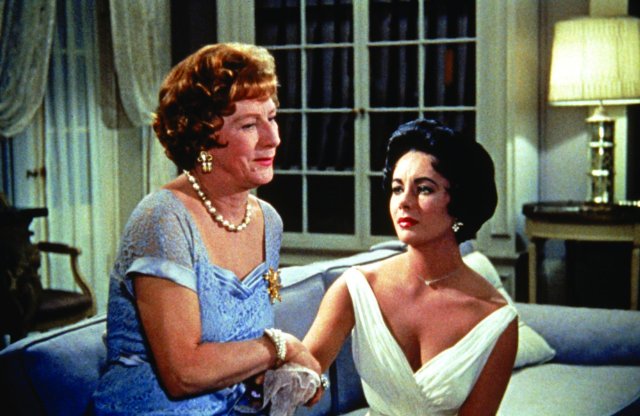
Today’s cinema adventure: Cat on a Hot Tin Roof, the 1958 screen adaptation of the Pulitzer-winning drama by playwright Tennessee Williams. Set on the plantation of “Big Daddy” Pollitt, a Southern cotton tycoon who has just been diagnosed with terminal cancer, the plot revolves around the angling of the patriarch’s family for control of his estate and the various conflicts between them, particularly between the heavy-drinking youngest son, Brick, and his wife, Maggie, whose relationship has gone cold over a recent tragedy- and a guilty secret. Produced at the height of the glamorous era of late-fifties American cinema, and starring two of Hollywood’s biggest stars of the time- Elizabeth Taylor and Paul Newman- it was an A-list prestige production and one of the ten biggest box office hits of the year, yet both Williams and leading man Newman expressed disappointment in the final product; indeed, the playwright publicly distanced himself from the film, even telling potential audiences to stay home. Their reticence, shared by numerous critics and literary purists, was due to the studio censorship, influenced by the then-still-observed Hays Code, which led to the removal of the play’s homosexual references- rendering the central conflict of between the two leads vague and unconvincing- and to the extensive rewriting of the final act to allow for a more “satisfying” reconciliation between Big Daddy and his alcoholic son. While it is certainly true that this filmed version of Williams’ personal favorite play was substantially tamed down from its original form, it nevertheless provided plenty of controversy in 1958: even without overt reference to homosexuality, savvy viewers could certainly still pick up on the unspoken truth behind Brick’s gnawing shame; and puritanical eyebrows were raised in abundance over the sexual frankness of the dialogue (not to mention the sultry chemistry between the stars, surely two of the most beautiful people ever to step in front of a camera). These controversial elements no doubt contributed greatly to the film’s popularity at the time; but by today’s standards, of course, its content would barely warrant a PG rating. What then, if anything, is there to recommend this venerable artifact of mid-century sophistication to modern audiences? To begin with, the sets, the costumes, the cinematography- the entire production- is everything you would expect of a high-budget, top-notch MGM product; but the same is true of many infinitely less watchable films from the same era. What really matters here is the material. Even watered-down Williams is a treat to see and hear, particularly in the hands of a cast capable of bringing out the rich, musical literacy and the deep, resonant emotional landscape of his text; and though director Richard Brooks (who also co-wrote the sanitized screenplay with James Poe) crafted a relatively uninspired film version, cinematically speaking- particularly when contrasted with other Williams adaptations of the time, such as the earlier classic, A Streetcar Named Desire– he clearly had a strong enough understanding of the piece to evoke uniformly superb performances from his players. Recreating his role from the Broadway production, Burl Ives dominates his every scene- and appropriately so- as Big Daddy, overbearing all before him with a grim, determined Southern smile even when most assaulted by pain, whether emotional or physical. Matched against him is the great Judith Anderson, oddly cast but highly effective as Big Mama, creating a sympathetic portrait of a woman, hardened but unbeaten by a lifetime under her husband’s imposing shadow, desperately clinging to the illusions she has worked to maintain for herself and her family. Jack Carson is likable as older brother Gooper despite the ineffectual disinterest of a character forever dominated by the others around him; and, as his wife Mae, Madeleine Sherwood (another veteran of the Broadway production) balances him by being equally dis-likable, an embodiment of mean-spirited pettiness, hypocrisy and self-righteous entitlement that serves as the closest thing in the piece to a villain. Of course, all this stellar supporting work would be meaningless without equally strong performances from the leads, and the two iconic stars here give performances that rank among the finest of their careers. As Brick, Newman proved once and for all that his ability as an actor was as formidable as his steely-blue-eyed good looks; he gives a remarkable and definitive interpretation of the character, playing against those leading-man-looks to bring out the ugliness of Brick’s dissolute bitterness- the high-handed and deliberate cruelty, the obstinate refusal to face his demons, the willfully self-destructive embrace of his alcoholism- without ever completely obscuring his underlying sensitivity and compassion, creating a complete portrait of a good man crippled (both literally and metaphorically) by the effects of failure, regret, and shame. The keystone performance, however, comes from Taylor, at the peak of her astonishing beauty and the beginning of her reign as one of Hollywood’s most glamorous and beloved stars. It would be easy to play Maggie “the Cat” as an ambitious, tawdry social climber bent only on claiming the family fortune of a man she has married for money, but Taylor makes her so much more: she not only radiates the aching sexuality of a woman too long neglected, but also the determination and candor which make it clear that she alone has the strength to be Big Daddy’s true successor as the dominant force in this family, coupled with the earnest feeling that makes it possible for us to believe, in the end, that she has the power to “make the lie true.” That, ultimately, is what Cat on a Hot Tin Roof is about: in a world full of “mendacity,” it takes passion and, yes, love to make the difference between truth and illusion. This first and still most authentic film version, with all its Technicolor gloss and its soundstage artificiality, is Hollywood illusion at its most persuasive- but thanks to Miss Taylor and the rest of its remarkable cast, it has the real ring of truth about it, and that is what makes it a classic.

http://www.imdb.com/title/tt0051459/

ImageImageImageImageImageImageImageImageImageImageImageImageImage

The Invisible Man (1933)

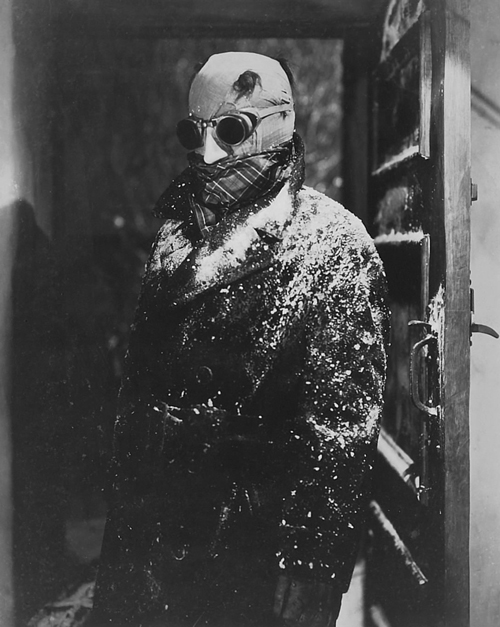
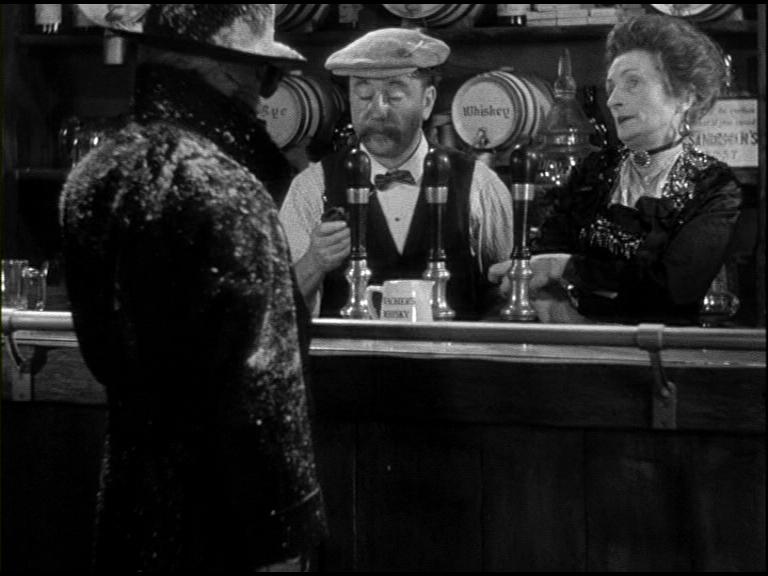
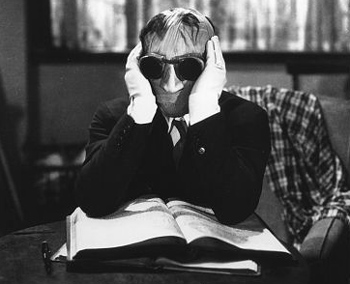
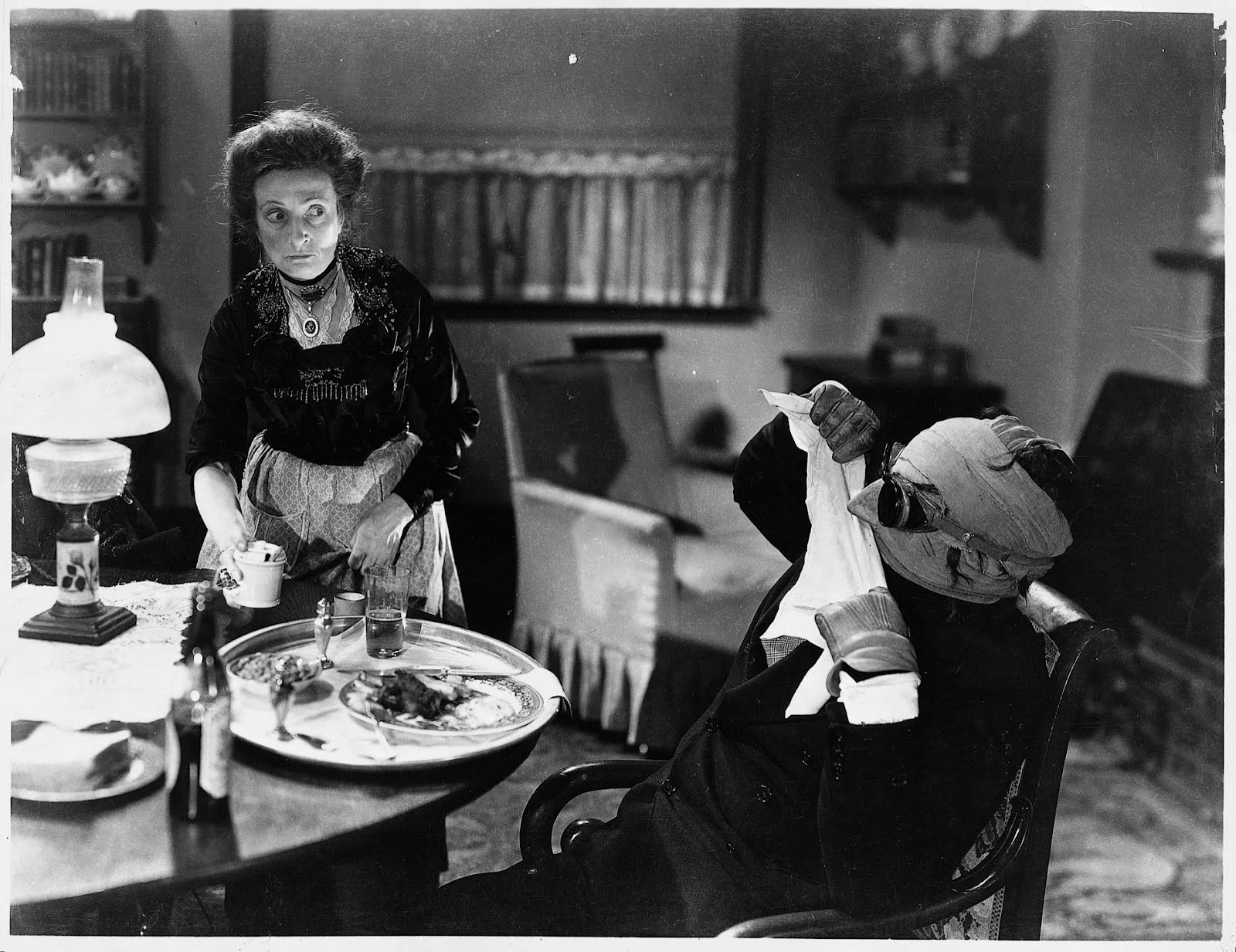
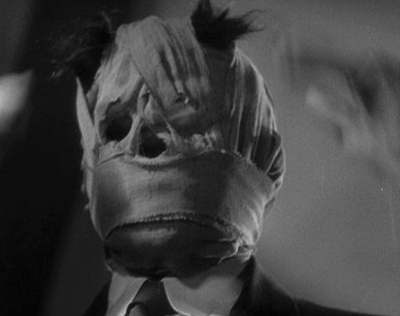
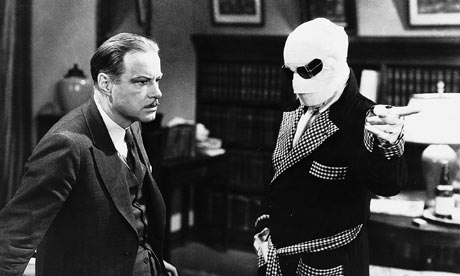
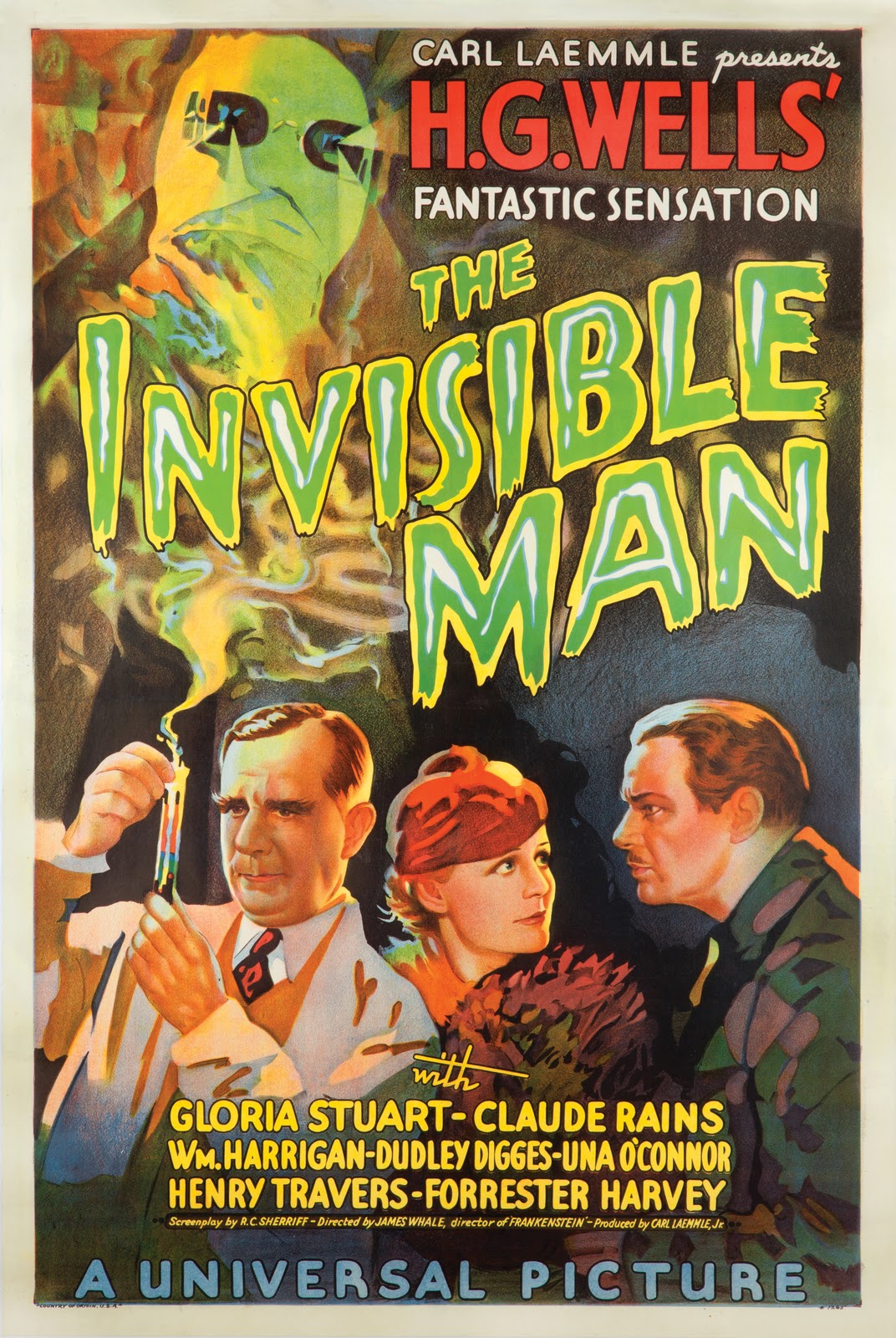
Today’s cinema adventure: The Invisible Man, the 1933 feature based on H.G. Wells’ story about a well-meaning scientist who discovers the secret of invisibility only to be driven to madness by its side-effects.  Produced at the height of Universal Studios’ early-thirties cycle of horror films, it established a familiar screen icon in the form of its bandage-wrapped title character, and is still considered one of top classics of the “monster movie” genre.  Its revered status is mostly due to director James Whale (the genius responsible for the first two Frankenstein movies), who combines a flair derived from his theatrical background with a keen cinematic style; his meticulously choreographed scenes are captured with inventive camera angles and expressionistic lighting, and his innovative techniques of visual storytelling- clever segues and montages, the savvy use of special effects to enhance his story rather than to dominate it- are a bittersweet testament to the brilliance that might have led to a long and remarkable filmmaking career had his distinctive artistic sensibilities not put him at odds with the Hollywood establishment and resulted in his early retirement from the industry.  Those sensibilities are on full display here: his arch, campy style results in a film ripe with macabre humor, and one which feels decidedly subversive in its gleefully ironic portrayal of a stodgy community disrupted from within by willful anarchy. Nevertheless, despite a tone which could almost be described as self-mocking, the story never loses its dark undercurrent of unsettling horror- not the horror of violence and mayhem (though there is a fair share of that), but the horror of that unseen menace within the human psyche- the potential for corruption and dehumanization that can transform even the gentlest soul into a monster capable of unspeakable acts of cruelty.  This balance between the wacky and the weird is achieved not only by the director’s considerable gift, but hinges also on a star-making performance in the title role by Claude Rains, who manages to walk the precarious line between histrionic mania and subtle sincerity, conveying perfectly the journey of a man struggling to hold onto himself even as he disappears into ego-driven insanity, and successfully holding audience sympathy even as he plots the most horrific acts of terror and revenge.  It is a feat made even more remarkable by the fact that his face remains hidden until the final moments of the film, and which deservedly led to a career as one of Hollywood’s most prolific and well-loved character actors.  The rest of the primary cast is effective enough, considering the prosaic acting styles of the era; notable more for their later accomplishments are Henry Travers (who went on to become everybody’s favorite guardian angel in It’s a Wonderful Life) and Gloria Stuart (who, 60 years later, became the oldest Oscar-nominated performer in history for her role in Titanic).  Though most of the supporting players come off as merely adequate, however, the army of background actors are a delight- an array of craggy, comical English faces headed by the incomparable Una O’Connor as a shrill hostess whose encounter with the mysterious stranger at her inn sets the comically creepy tone for the entire film.  R.C. Sheriff’s screenplay, though it features more than a little stodgy dialogue, captures the essence of Wells’ novel- particularly its allegorical exploration of the destructive effects of drug addiction- while expanding details of character and plot and building the foundation for Whale’s subtly skewed interpretation.  The technical elements of the film are as top-notch as one would expect from a prestige production like this: the scenic design blends an art-deco flavor with the rich detail of its various English settings, the cinematography (by the great Arthur Edeson) is a sublime example of the near-forgotten beauty and power of black-and-white film, and the special effects (supervised by John Fulton), which were advanced for their time, are still fairly impressive for the most part.  Of course, for today’s average audience, The Invisible Man may bear the stigma of being dated, creaky and far too tame for modern tastes; it may also suffer mildly from its abrupt and somewhat anti-climactic resolution.  Even the most jaded viewers, however, will likely be drawn in by the considerable charm of a movie that inspires them to laugh out loud as they contemplate the deeper, darker themes which bubble within it like the test tubes in a mad scientist’s arcane lab.

http://www.imdb.com/title/tt0024184/
Paris, Texas (1984)

Image

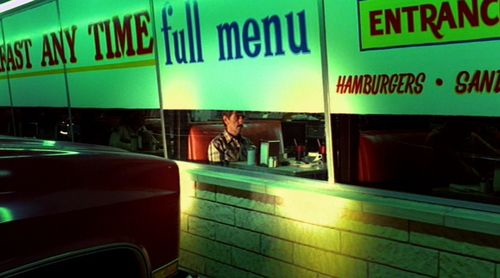
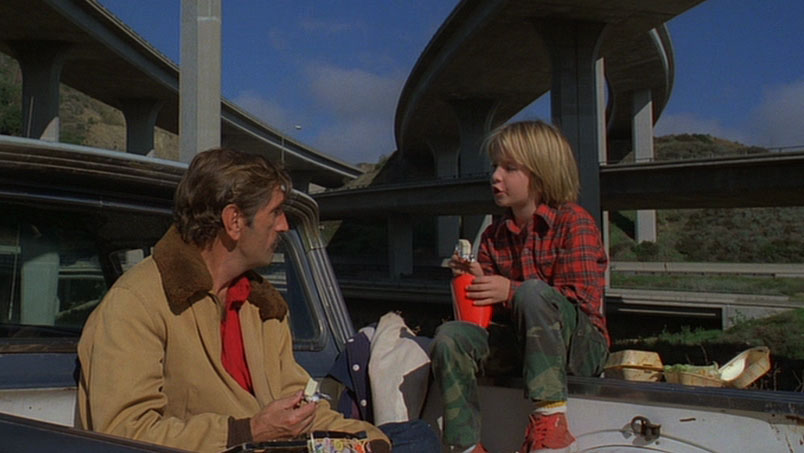
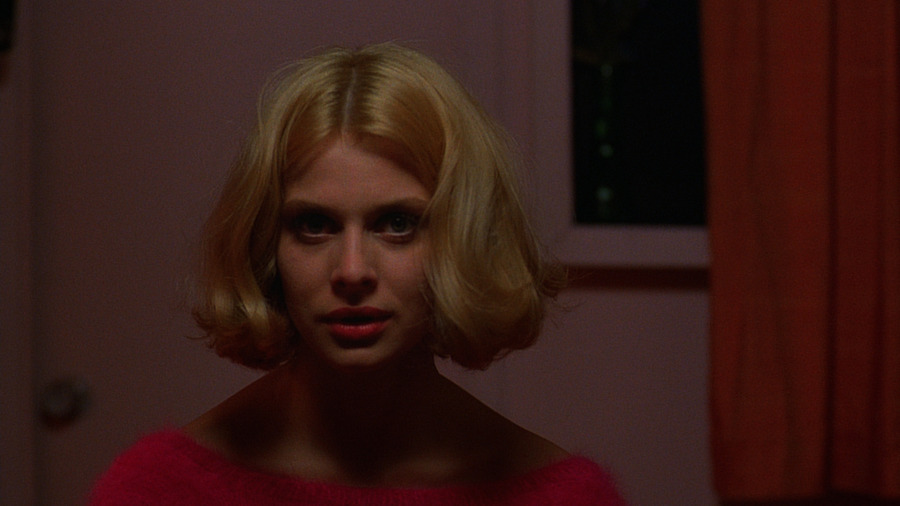
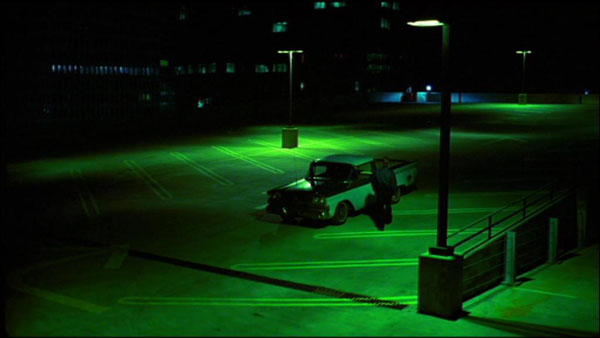
Today’s cinema adventure: Paris, Texas, director Wim Wenders’ elegiac drama that swept the 1984 Cannes Film Festival and has consistently remained on most critics’ “Best of” lists ever since.  Adapted by L.M. Kit Carson from a screenplay by esteemed playwright Sam Shepard, it tells the story of Travis, a middle-aged man who walks out of the Texas desert after disappearing for four years and, after reuniting with his brother’s family, slowly begins the effort of restoring his shattered life.  Through this simple synopsis, Wenders executes a masterful, character-driven exploration of subjects, allowing the mystery of Travis’ past to unfold through the players’ interactions and reminiscences as they take awkward steps to move towards an uncertain future- and using the microcosmic drama to stir powerfully resonant themes and conjure deep, universal emotions.  A collection of superb performances makes it all work beautifully, from veteran character actor Dean Stockwell as Travis’ well-meaning brother to newcomer Hunter Carson (son of the film’s screenwriter Carson and actress Karen Black) as the child rebuilding a relationship with a father he doesn’t remember; Nastassja Kinski, whose star turn doesn’t come until late in the film, beautifully captures the emotional fragility of a woman confronted with a past she has tried to forget (though I can’t help nit-picking that her German accent sometimes distorts an otherwise acceptable Texas drawl).  It is, however, the remarkable presence of Harry Dean Stanton, as Travis, upon which the film hangs: from the opening moments when he purposefully stumbles out of the blasted Texas landscape, he is utterly compelling, allowing his droopy, hang-dog features and his simple, unaffected delivery to express a dazzlingly complex spectrum of emotions.  It is a performance which few actors could accomplish, and the fact that it was not even nominated for an Oscar is one of those glaring omissions that makes the entire idea of Hollywood awards seem suspect and vaguely ridiculous.  Beyond the cerebral and emotional riches provided by Paris, Texas, it delivers a visual beauty thanks to the stunning cinematography of longtime Wenders collaborator Robby Müller, which captures a remarkable array of iconic American backdrops- the dusty vastness of the southwestern desert, the scenic experiences of the endless cross-country highway, the bland familiarity of suburbia, and the contrasting elegance and squalor of the big city- giving this jointly-French-and-German-produced film a distinctly American flavor rarely captured by domestic cinema.  Despite these lavish praises, this movie is probably not for everyone: viewers with a short attention span may find the leisurely pace a bit grueling (particularly in the climactic sequence, which is comprised mostly of long, lamenting monologues performed in a claustrophobic setting), and those who seek a clear-cut, definitive resolution from their entertainment may be left unsatisfied by the mixed emotions which cascade around its ambiguous conclusion.  Nevertheless, it is hard to imagine a more exemplary piece of filmmaking than Paris, Texas, and it is easy to see why it became one of the most influential and revered pieces of cinema to come out of the eighties.

http://www.imdb.com/title/tt0087884/

Peeping Tom (1960)

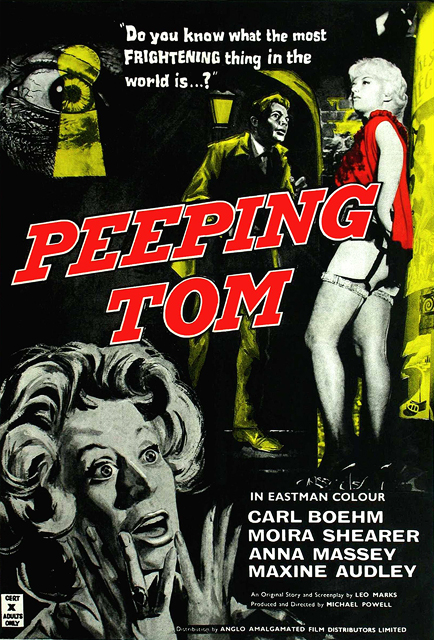
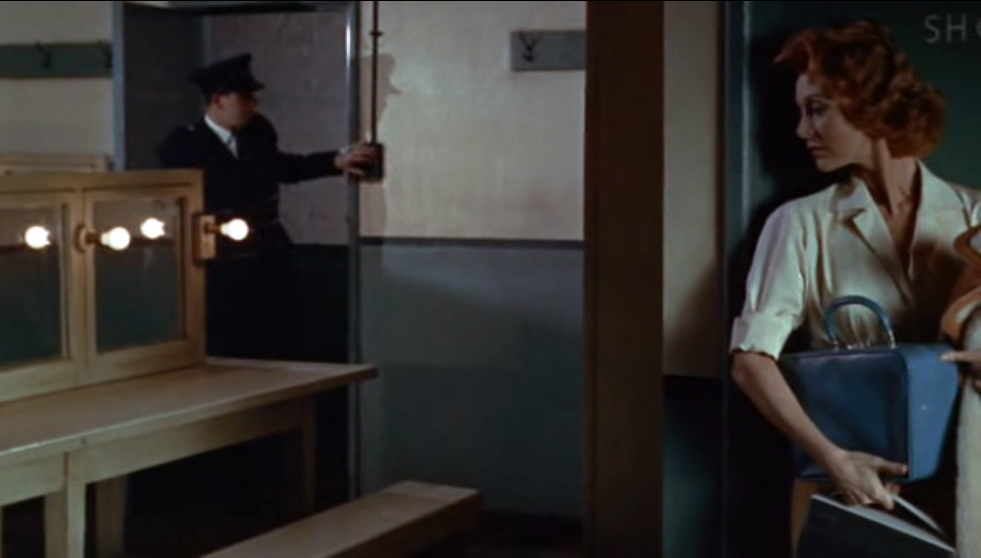
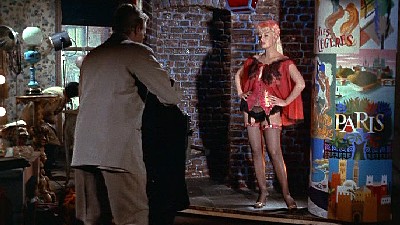
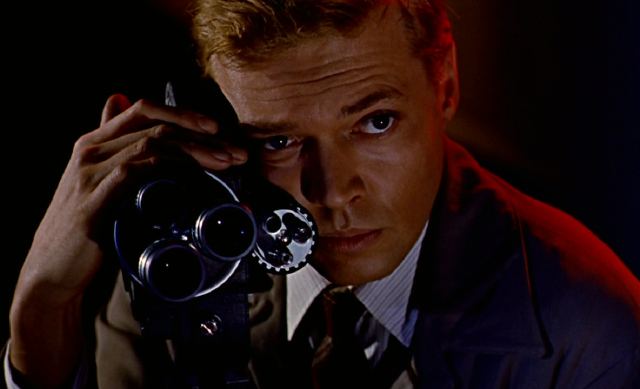
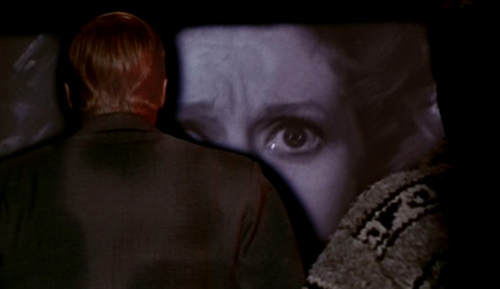
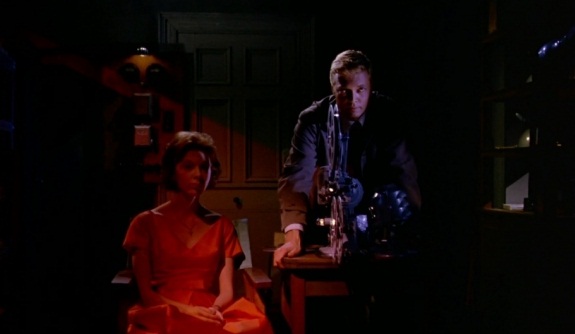
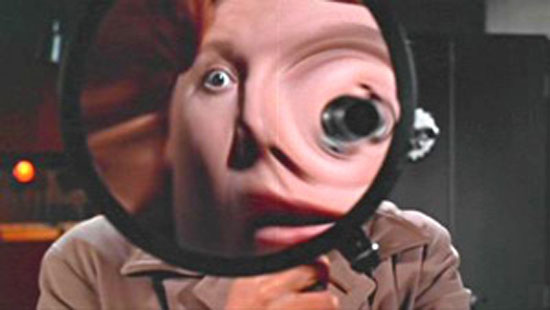
Today’s cinema adventure: Peeping Tom, the controversial 1960 thriller directed by Michael Powell, who was one of Great Britain’s most revered and respected filmmakers- that is, until the savage critical lambasting received by this feature effectively put an end to his career.   Photographed in garish color reminiscent of the lurid under-the-table pornography of its time, this tale of a disturbed young recluse who films women as he murders them was such a flop upon release that it was barely shown outside of England.  Over the succeeding years, however, it became a cult classic, growing in critical estimation and championed by such heavy hitters as Martin Scorsese (for one), and it is now generally acknowledged as a ground-breaking, underappreciated masterpiece of the genre.  On an intellectual level, I can see why: director Powell thoroughly explores the theme of voyeurism as it applies to cinema, forcing the audience from the very first frames to identify with the killer, and using the film’s story as a vehicle to manipulate our sympathies, uncover our own guilty voyeuristic tendencies, and confront us with our darkest fears just as his protagonist does with his victims.  There isn’t an extraneous or gratuitous moment in the film; every scene, every frame, every shot is calculated and geared toward the purpose- a testament to Powell’s mastery of his cinematic medium.  Despite the high score on an academic level, however, the film falls short for me on the more visceral level of emotional response; part of this may be due to the fact that, after 50 years, the film’s shock value (and body count) has been far surpassed by countless other horror movies and, by today’s standard, seems fairly tame (albeit still quite unsettling on a psychological level).  But I think the primary problem lies with the casting of Carl Boehm in the central role of the homicidal cameraman: not only does his German accent seem out of place for this decidedly English character, but his performance is stilted and unconvincing, making it difficult for us to sympathize with him- a necessary element to the transference of guilt to the audience which Powell works so hard to achieve.  The rest of the cast is excellent (particularly the young Anna Massey and the film’s biggest star, Moira Shearer, whose small but pivotal role is the centerpiece of the film’s most masterful and harrowing sequence), but with Boehm’s wooden presence in the middle of the proceedings, the film’s overall effect is muted: it stimulates the brain, and disturbs the psyche, but the heart remains aloof.  Still, it has much to recommend it, and it’s definitely worth the effort to check out a movie which, flawed or not, remains as an important footnote in cinematic history.

http://www.imdb.com/title/tt0054167/