Crimes of Passion (1984)

Image

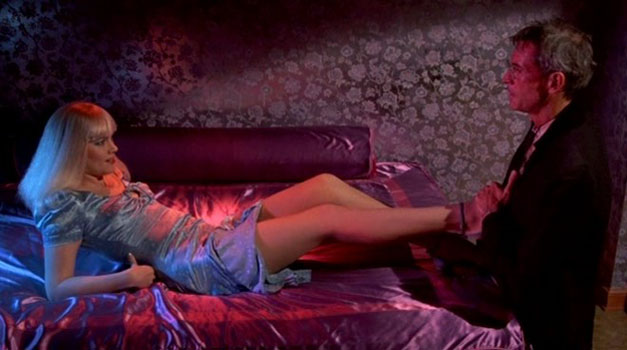
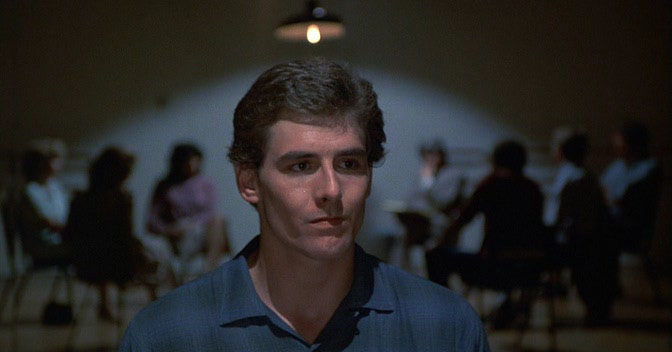
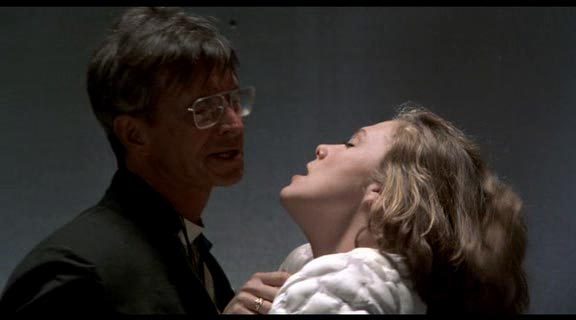
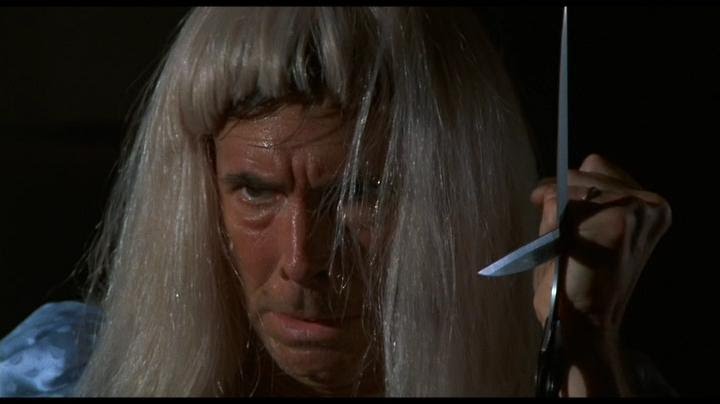
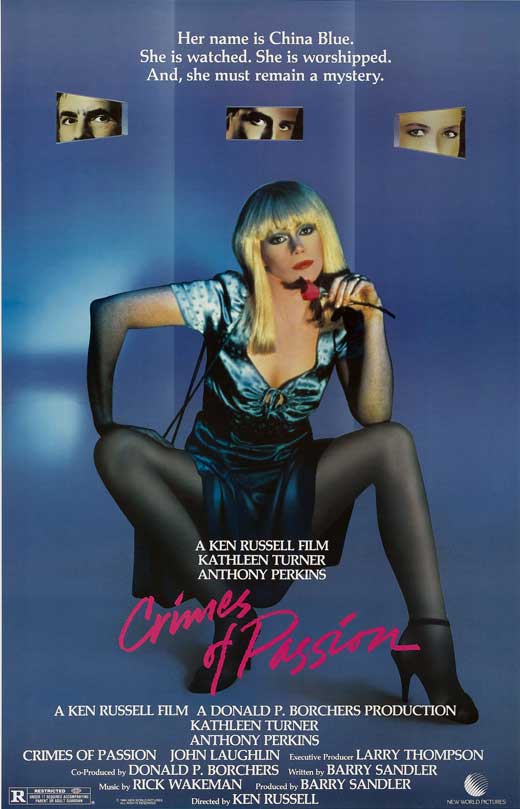
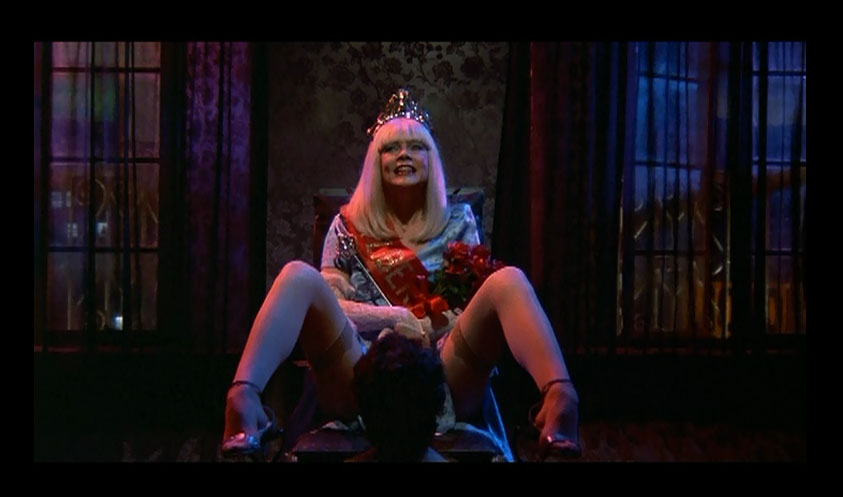
Today’s cinema adventure “Crimes of Passion, the controversial 1984 sexual thriller by cinematic bad-boy Ken Russell, centered around a hard-driven career woman who gets her sexual validation moonlighting- in disguise- as a streetwalker named “China Blue.” With his characteristic excess, both in his artistic style and his explicit depiction of sex, Russell uses the titillating scenario to explore a variety of psycho-sexual themes, portraying attitudes and behavior at both ends of the spectrum between depravity and repression; provoking numerous questions about the relationships between love, sex, truth, fantasy, shame, guilt and redemption; and exploring the difficulty of overcoming fear and immaturity in order to form an honest human connection. A heady and ambitious agenda, to be sure, and whether or not Russell and his screenwriter/producer, Barry Sandler, have succeeded in achieving it is still the subject of much debate- as with most of the director’s work, the response of critics and audiences is sharply divided between “hate it” or “love it.” My take: Russell’s madness has a method, and with his almost cartoonish depiction of the erotic underworld inhabited by China Blue and her clientele, he highlights the absurdity of our sexual prejudices and suggests that we have much more to fear from the consequences of repressing our natural desires. Helping considerably towards this goal is Kathleen Turner, at the height of her sexual appeal, delivering a remarkable performance infused not only with the necessary gleeful eroticism but also the vulnerability of a woman terrified by emotional intimacy. Also superb is Anthony Perkins, in an underrated turn as a seedy street preacher whose shame over his own pornographic impulses leads him to an obsession with “saving” China Blue; though derided by many critics as “over-the-top,” Perkins’ work here is frighteningly accurate, which should be clear to anyone who has ever had an encounter with a dangerously schizophrenic denizen of the streets. These two share several delicious scenes together, skillfully enacting an ongoing point/counterpoint about sexual morality that underscores the movie’s themes and provides many of its most delightfully melodramatic moments. Not as proficient is John Laughlin as a naive young husband whose failing marriage leads him to China Blue’s bed- but despite his somewhat stilted acting, his sincerity shines through enough to provide the necessary relief from the darkness of the skid row surroundings. Other notable elements include the costumes, scenic design and cinematography, all of which brilliantly contrast between the garish night-time world of the red-light district and the bland suburban daylight of the film’s other scenes- the two worlds seem almost as if they have been spliced together from two different films. Less successful- perhaps the film’s biggest flaw, really- is the tinny electronic score (provided by Rick Wakeman of the band Yes), which may have seemed like a good idea at the time but now provides a ludicrously dated atmosphere in a film that might otherwise seem almost timeless. Nevertheless, Russell’s film retains a surprising depth and resonance despite- or perhaps because of- the sensationalism of its hyper-sexual surface, and even if there are times when his intellectualism threatens to undermine the plot or his exploitative excess threatens to alienate his audience, the compelling performances of his two stars succeed in maintaining the emotional connection that is necessary to ensure the slow build of suspense into the climactic scenes. Overall, though Crimes of Passion lacks the audacious mastery that made instant classics of some of Russell’s earlier works, it still packs a powerful punch, melding sensuality with horror and humor with high drama, and ultimately- in my view anyway- standing as one of the most memorable and unique films of the eighties.

http://www.imdb.com/title/tt0087100/
ImageImageImageImageImageImageImageImageImage

The Avengers (2012)

Image

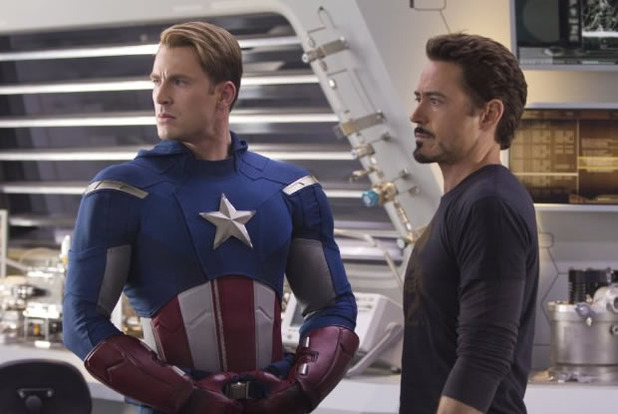
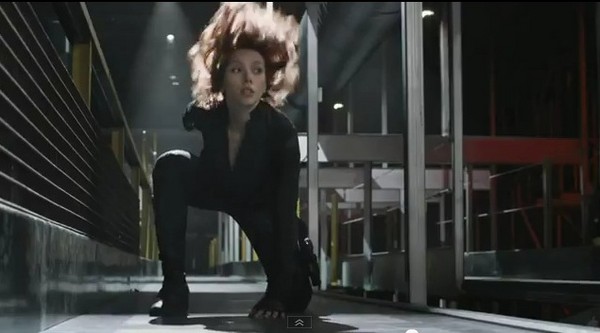
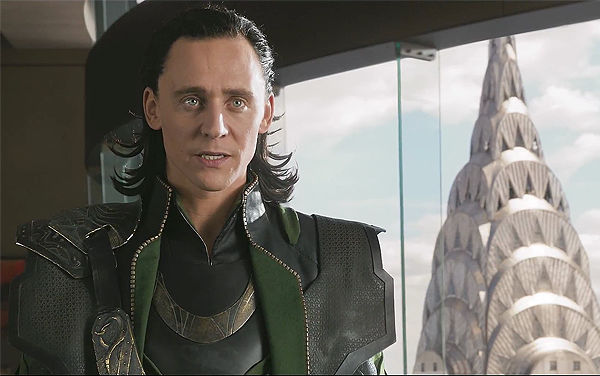
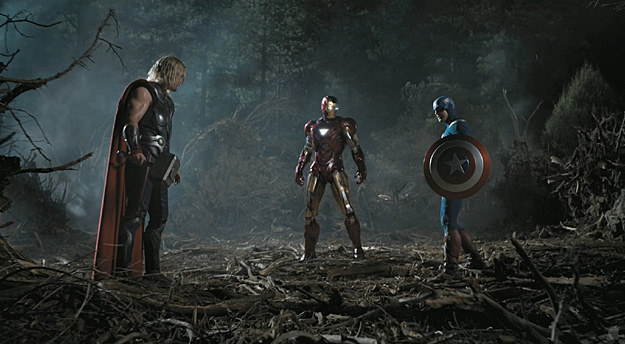
Today’s cinema adventure: The Avengers, the long-awaited 2012 action/fantasy feature from director Joss Whedon which unleashes the combined force of most of Marvel’s top superhero characters and has ensured, with its record-smashing box office returns, that the flourishing “comic book” genre is here to stay- at least for now.  The plot, of course, could have been lifted from any Cold-War-era sci-fi potboiler: when a god-like being from another world brings an army to conquer the earth, a secretive government organization assembles a band of disparate heroes to head off the invasion, forcing them to set aside their own differences- and face their own weaknesses- in order to unite against the common foe.  The details get a bit confusing, unless you are intricately familiar with the plot threads that have been unwinding through the various associated franchises leading up to this blockbuster, or unless you can follow the lightning-fast pseudo-technical jargon with which the various conceits are established; but none of that matters, because unlike many inferior attempts at making this sort of hyper-driven action spectacle, “The Avengers” hinges not on its ridiculous storyline- nor even on the mind-blowing, state-of-the-art special effects, though admittedly those provide a considerable amount of the fun- but on the characters which inhabit it.  The legion of “fan boys” at which this movie is targeted can rejoice that, after decades of clueless studio hacks trying to capitalize on the popularity of comic books without understanding or respecting the material, at long last the genre is in the hands of artists who have grown up with a reverence for it; gone are the days of bland, leotard-clad goofballs with no charisma spewing cheesy platitudes.  Here we are treated to a collection of heroes that we can truly believe in because we can relate to them: full of doubts, anger, trust issues and guilty consciences, they are nevertheless driven by hope to perform the duties thrust upon them; and there is never any question that they have the ability to face whatever the other-worldly would-be conquerors can throw at them, as long as they can overcome the obstacles they generate within their own flawed psyches.  By capturing this element, Whedon (who also wrote the screenplay, from a story by himself and Zak Penn) has captured the key to what makes these far-fetched, over-the-top stories so compelling: they are, in fact, mythology that has been re-invented in a form that appeals to a modern generation.  We see our own psycho-dramas acted out in symbolic form by these idealized versions of ourselves, and through their victories we see the possibility of our own.  To be sure, of course, it’s not the kind of doom-and-gloom mythology that takes us through the dark night of the soul, and it would be completely wrong to think that The Avengers aims at any emotional or spiritual resonance beyond an adolescent level; but still, no matter how many millions of dollars were spent on the CG eye candy, it would have all just been visual noise without that important, cathartic element.  The Avengers seeks to entertain, not to enlighten, but it’s a testament to the talent of its creative forces that it manages to do both.  Whedon has levied his success as a creator of niche-targeted cult entertainment into status as a mainstream artist to be reckoned with, and he directs with a sure hand and a clear vision, striking a perfect balance between action and intimacy and keeping the whole thing roaring along at a breathless pace that makes the two-hour-plus running time feel half as long.  He has considerable help from crack film composer Alan Silvestri, cinematographer Seamus McGarvey, and an army of designers and special effects artists under production designer James Chinlund; and, of course, the work of his cast is exemplary, with the always-delightful Robert Downey, Jr., Mark Ruffalo, and Scarlett Johansson standing out in particular.  Special mention must be made for the driving force behind it all: comic book legend Stan Lee (one of the Executive Producers of this and all the Marvel films, which are of course his babies), who has brought his remarkable work from the printed page to the big screen (in magnificent 3-D, no less) with meticulous attention to getting it right and a vision that invites comparison to, dare I say it, Walt Disney himself.  Before I am accused of gushing, I should point out that there are quibbles to be made here- the villain, Loki, is not exactly an imposing threat, for all his superhuman powers, and there are numerous points in the film when the perfunctory conflicts between the protagonists threaten to derail the driving pace- and I can’t say that The Avengers and the other films with which it forms a sort of super-franchise (pardon the pun) transcend the comic book genre, as Christopher Nolan’s rebooted Batman cycle has done.  Nevertheless, in a time when rising ticket prices make it less and less appealing to go to the theater rather than just wait a few weeks for the DVD/BluRay release, it’s a film that delivers what it promises and more; and that’s a feat at least as heroic as any of those accomplished by the superteam of its title.

http://www.imdb.com/title/tt0848228/
ImageImageImageImageImageImageImageImageImageImageImage

Raiders of the Lost Ark (1981)

Image

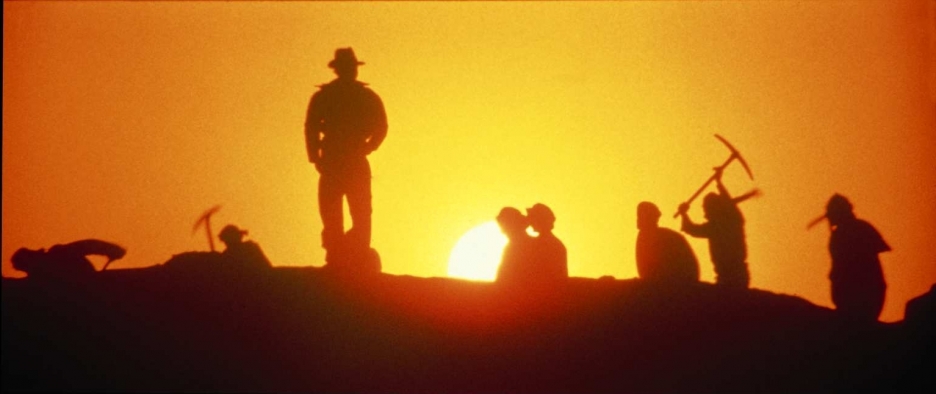
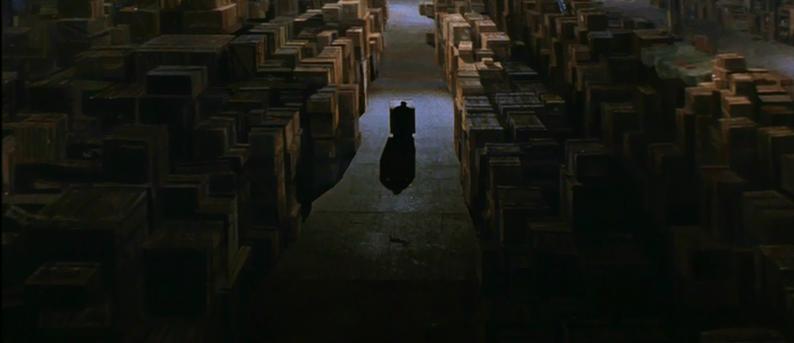
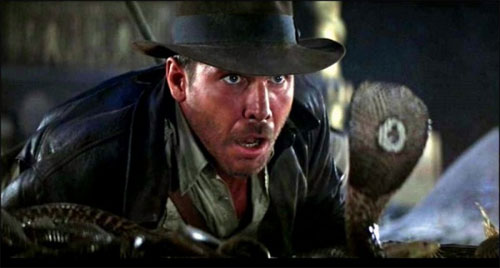
Today’s cinema adventure: Raiders of the Lost Ark, Steven Spielberg’s 1981 action-adventure-fantasy paying homage to- and gently spoofing- the cliffhanger serials of the thirties and forties- but with the benefit of a mega-budget and then-state-of-the-art special effects, courtesy of the powerhouse production provided by George Lucas.  It would be pointless and impossible for me to write anything like a critique of this film- it has passed beyond the realm of review and into cinema legend, and did so almost immediately upon release, becoming an instant classic and creating a brand new archetypal hero in Indiana Jones, the mercenary archaeologist/adventurer at its center.  It spawned a franchise of three (mostly inferior) sequels, countless unworthy imitations, and it made an icon of its star, Harrison Ford, whose roguish charm melds so perfectly into his character that it is literally impossible to imagine anyone else playing it.  And, on a personal level, it became a major touchstone in my young manhood, a cultural phenomenon into which I dove headlong, making any sort of objective viewpoint about the movie completely irrelevant.  What I will say is that, after several years since my last viewing, the movie holds up brilliantly, seeming just as fresh and fun as it was 30 years ago, managing a precarious balancing act between the serious tone necessary to sustain its premise and the sly, unapologetic goofiness that keeps it fun and reminds us, constantly, that it’s only a movie- aided immeasurably by John Williams’ rousing, multi-faceted score, with its now-familiar thematic march, which is surely one of the greatest examples of the use of music to support and drive a film.  In addition, it struck me this time around that this movie represents Spielberg’s direction at its finest, the work of a young artist at the height of his powers, using his skills for the sheer joy of it- completely without pretense or the need to make any kind of statement, merely an expression of his own love of movie magic and an invitation to us all to share it with him.  Sure, you can quibble forever over the myriad gaps in logic and continuity that render the entire story ridiculous- an intentional element drawn from the grade-Z crowd-pleasers that inspired it- or you can point out the numerous visual and stylistic references to classic movies like Treasure of the Sierra Madre or Lawrence of Arabia, from which the director derived his filmmaking vocabulary; but those things don’t matter, in the final analysis.  “Raiders” stands on its own as a great achievement in filmmaking, a timeless tribute to movies themselves and a magic potion to rekindle- even if only for a couple of hours- the adventurous imagination of the fourteen-year-old in us all.

http://www.imdb.com/title/tt0082971/

ImageImageImageImageImageImageImageImageImageImage

Welcome to My Cinema Adventure!

I’ve been writing movie reviews ever since I was old enough to use a typewriter (yes, they had those back then).  I’ve done a lot of things in my life, and worn a lot of hats, but the one thing that has never changed is my love of movies- and my love of telling people what I think of them.  So that’s what this is about: a chance for me to share that love with the world, or at least that part of it that is willing to check in here and see what I’ve got to say.  Here you will find my take on a wide variety of movies, from classics to modern big-screen blockbusters.  I don’t play favorites or focus on a particular genre.  Anything on film is fair game.  I welcome your feedback and I hope this is the beginning of a beautiful blog-ship.

-JPK

2001: A Space Odyssey (1968)

Image

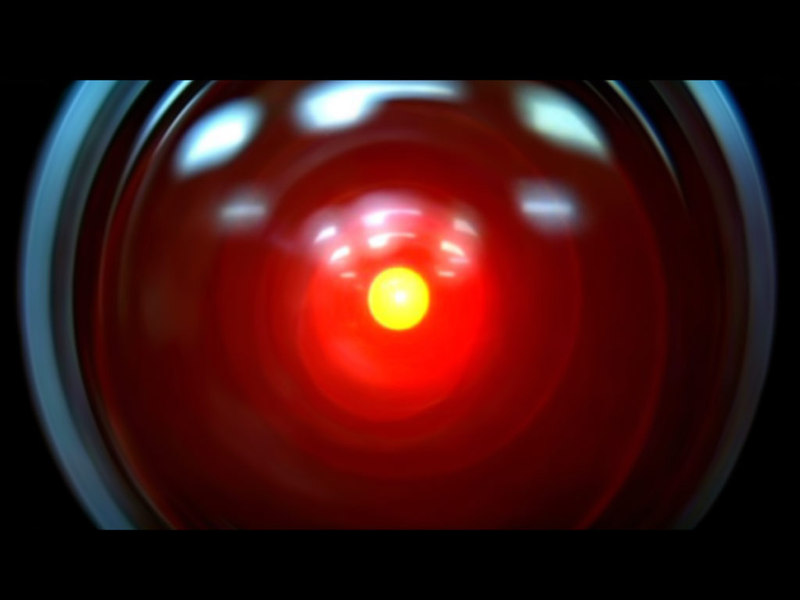
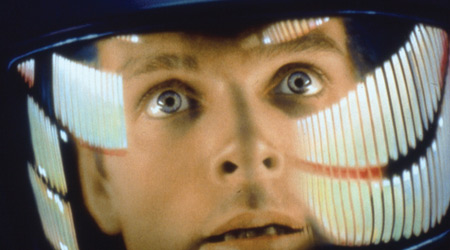
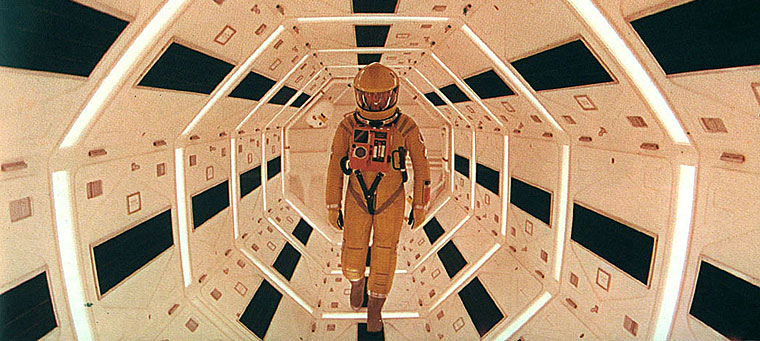
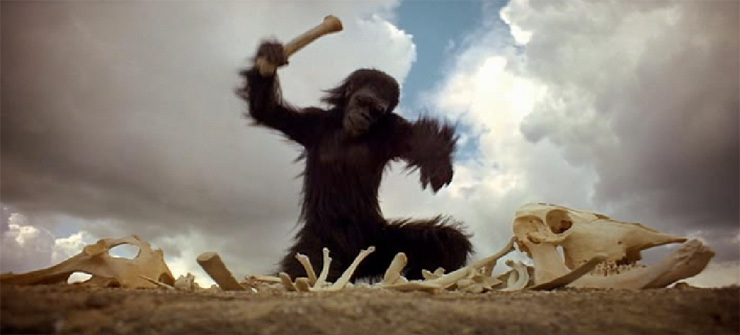
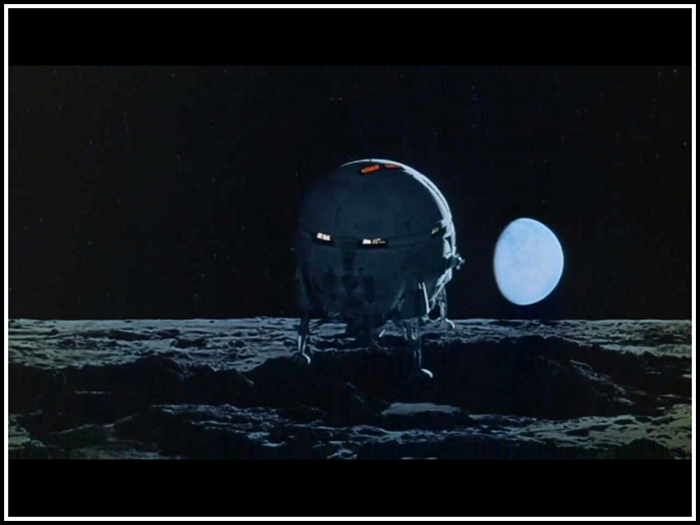
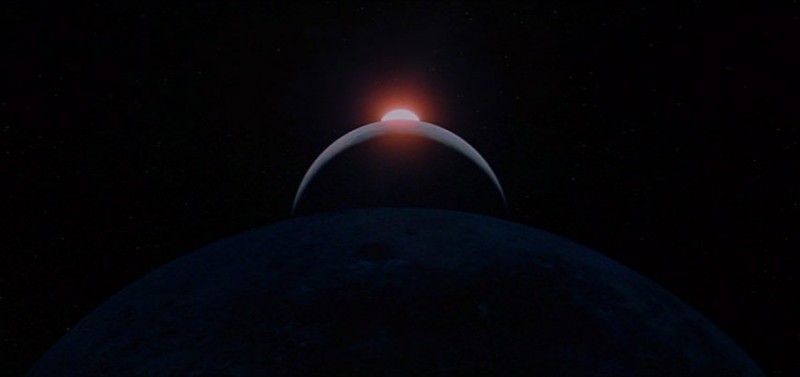
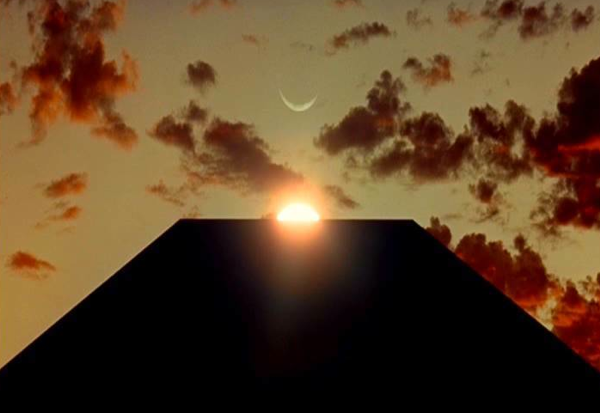
Today’s cinema adventure: 2001: A Space Odyssey, Stanley Kubrick’s landmark 1968 epic that not only revolutionized and legitimized the sci-fi genre but has come to be reckoned as one of the greatest English-language films ever made.  Working from his own screenplay (co-written by famed sci-fi author Arthur C. Clarke), which frames the expansive narrative as a sort of interplanetary mystery about the discovery of an ancient monolith and the subsequent space mission to learn its secrets, Kubrick’s mastery turns what could have been a B-movie potboiler into a breathtaking and hypnotic exploration of Man’s relationship with the universe.  With subtle, elegant simplicity, he opens up questions about our origins, our struggle to survive the threats posed both from without and within, our ability to adapt and utilize the knowledge we accumulate, the future towards which we are headed, and the nature of reality itself.  Don’t be fooled by the title into thinking that this film is dated- though the precision of the forecast may be a little off, Kubrick’s vision of the future is decidedly- even chillingly- apt (I defy anyone who knows this film to engage Siri on their iPhone without thinking uncomfortably of the infamous HAL 9000); and the special effects, designed by Douglas Trumbull, capture the immensity, the cold sterility, and the mechanics of space with an authenticity (and a beauty) that has yet to be surpassed, even in today’s CG-laden blockbusters.  I could go on and on about the ingenious use of sound, the now-iconic use of classical music for scoring, the stunning visual artistry which works on every level from the spectacular to the subliminal; and I could warn less adventurous viewers about the lengthy abstract climax which defies the logic of linear storytelling; but it seems far more useful to encourage anyone who has yet to see this cinematic treasure to do so ASAP- and preferably, if you are lucky enough, on a big screen as it was meant to be seen, as I did last night.  I can’t guarantee you won’t hate it- some do, for various reasons- but at the very least, you owe it to yourself to experience one of the masterpieces of contemporary cinema; and however you react to it, it will be sure to stimulate thought and conversation, and what more could one possibly ask from a work of art?

imdb: http://www.imdb.com/title/tt0062622/