Prometheus (2012)

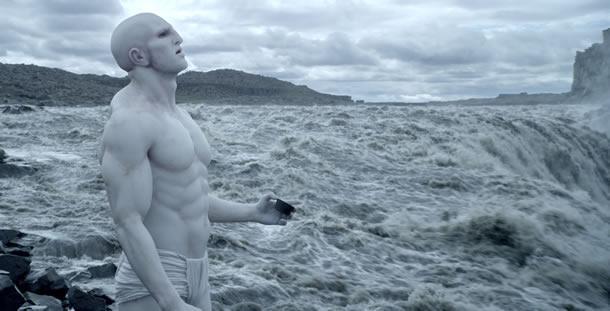
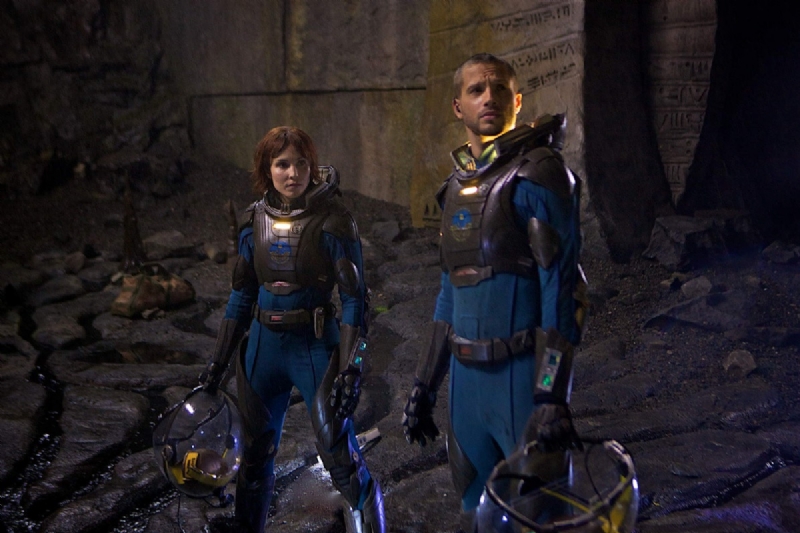
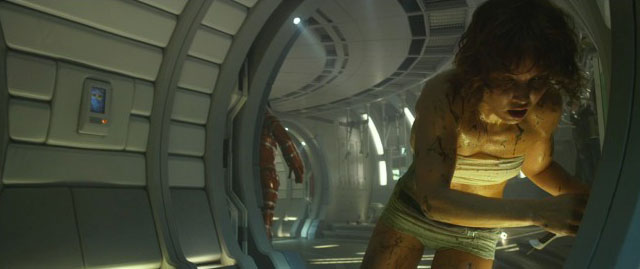
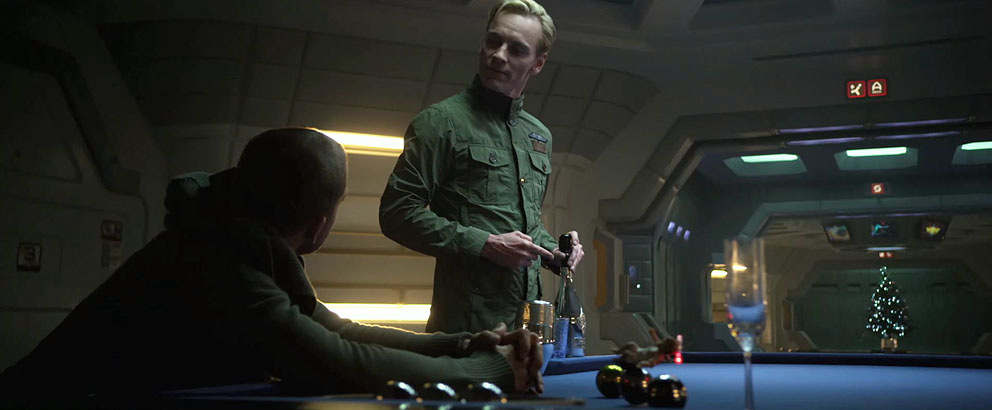
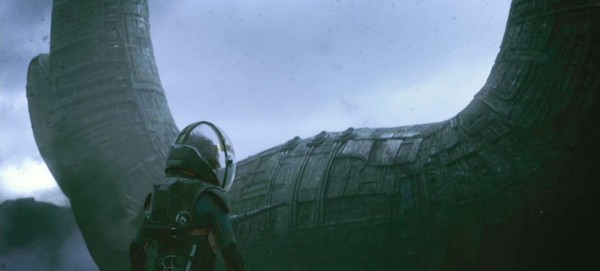
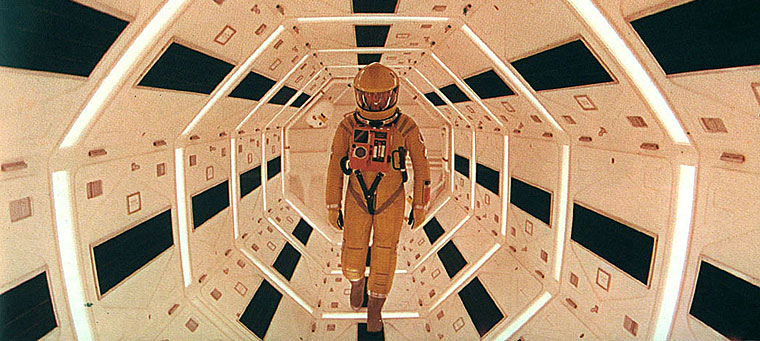
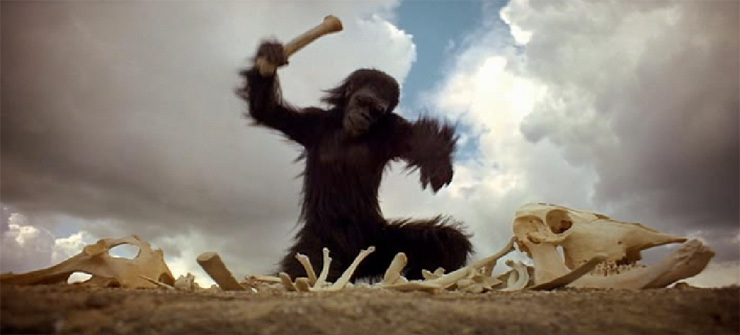
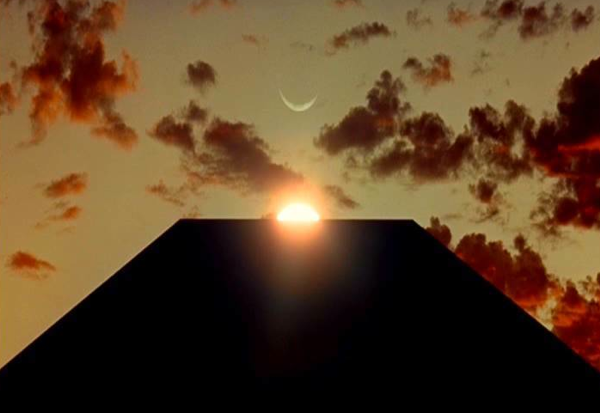
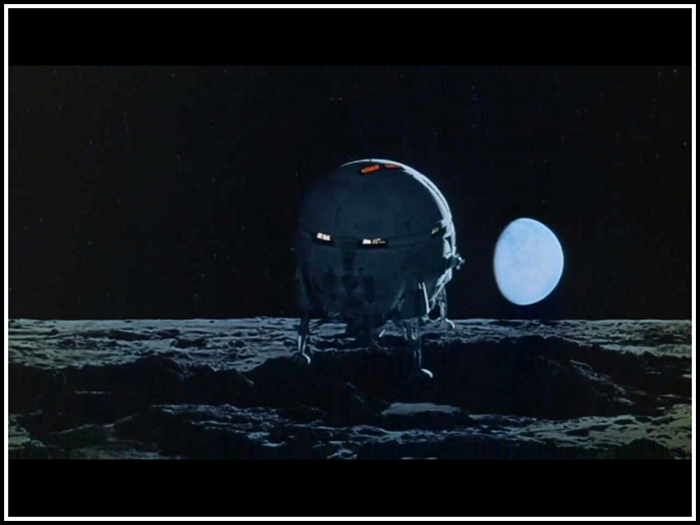
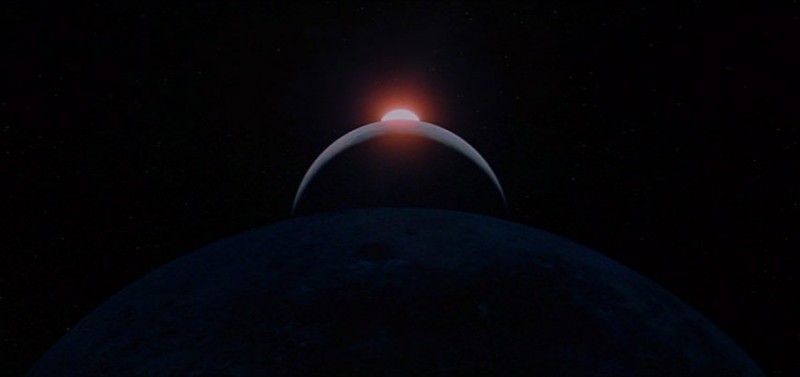
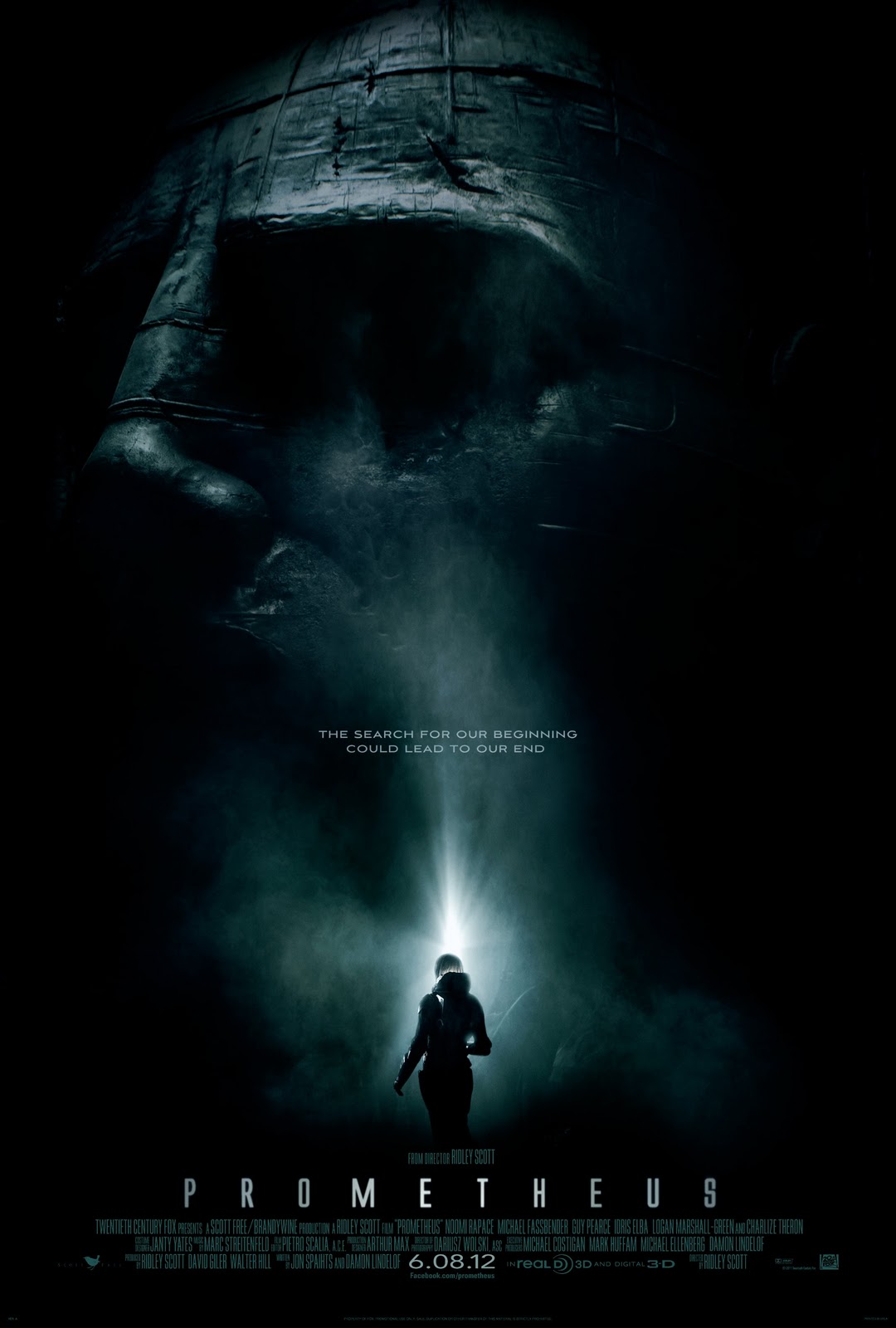
Today’s cinema adventure: Prometheus, the 2012 sci-fi thriller that marks the return of director Ridley Scott both to the genre and to the film franchise that made his name. A prequel of sorts to his 1979 classic, Alien, it follows the fate of a late-twenty-first-century space expedition which journeys to a distant planet in search of answers to the secret of human origin, revealing (partially) the background of the terrifying race of creatures that inhabited the earlier film and its sequels- but also establishing its own internal mythology, with a plot and a purpose completely independent of its predecessor, and tackling deeper, far-reaching philosophical themes along the way. Indeed, director Scott makes it clear from the very first frames that he has greater ambitions than just making a straightforward science fiction adventure: the opening shot is a direct copy of the one used by Kubrick in 2001: A Space Odyssey– in fact, the entire credits sequence is reminiscent of an important scene from 2001, and throughout Prometheus there are countless echoes- some huge, some tiny- from that venerable masterpiece. This is appropriate enough, given that Scott’s film shares many of the central themes from Kubrick’s landmark opus, such as man’s continuing quest for knowledge and his uneasy relationship with the technology he has created to aid him in that quest; indeed, the central plot (the discovery of artifacts from earth’s ancient past leads to a space mission and a confrontation with the mysteries of our creation) is essentially the same in both films. Scott, however, working from the screenplay by John Spaihts and Lost co-creator Damon Lindelof, offers his own interpretation of these ideas; his is a much darker vision of our species and its place in the universe, and one which reflects the change in our collective consciousness in the 45 years since Kubrick made his film. In place of Kubrick’s somewhat ironic vision of a future shaped by nuclear age optimism and practicality, we are given a universe more closely resembling the one seen in Scott’s earlier visits to this genre: a place in which human flaws such as ego, greed, hostility, mistrust and duplicity run rampant; and where these qualities not only threaten to undermine the greater purpose but are seen to be shared by the very creative forces that shaped us. Not that Scott gives us a universe without hope- far from it. In Prometheus, hope is arguably the central issue, and holding onto it in the face of bleak nihilism can be seen as the one saving grace of our species- coupled with undying curiosity and armed with the knowledge of what has come before, it can keep us going even when there seems no purpose for doing so. In a way, Prometheus offers us an even more inspiring conclusion than 2001, suggesting that the secret of man’s creation and continuing renewal lies within ourselves, alongside the very seeds of our own destruction- no matter what our origins may be, we are self-determining creatures and not just pawns observing a cosmic waltz in which we may be a mere side effect.

All this conjuring of the spirit of 2001 may be justified by the needs of Scott’s intellectual premise, but it also serves as a means to pay homage to his cinematic influences; the visual and thematic reflections of Kubrick’s film are just the most obvious of his tributes to the works of those who have shaped his own vision, from the overt use of Lawrence of Arabia as an inspiration for one of the central characters to the more subtle nods in the direction of such diverse movies as Citizen Kane and Forbidden Planet. With such a pedigree, it would be nice to say that Prometheus is a worthy successor to the masterworks tagged within it; but despite its lofty goals, it is a film which suffers from the all-too-common malady of formula. The cinematic building blocks so reverently placed by Scott seem to promise a work of intelligence and depth- which, for the most part, he has given us- but as the plot unfolds towards its predictably cataclysmic conclusion, his movie falls into the familiar repetition of patterns we have seen ad infinitum: the characters’ fates can be foreseen from their virtues or flaws in the same way we can tell that the bad girls are going to get offed in a slasher film, pivotal plot elements are introduced with so many red flags we can instantly see where they will lead, and, of course, anyone familiar with the original Alien and its sequels will know from the outset where the story is headed, reducing the entire experience to a detached exercise in answering questions left over from the previous franchise entries. In addition, the level of tension, so expertly built and maintained by Scott in his original film, is here allowed to rise and fall so often and with so little payoff, that by the end we are not so much excited as we are mildly curious to see how things will finally play out. Furthermore, the insistence on maintaining a rigid connection to the concrete realism dictated by its cookie-cutter storyline prohibits the director from diverging from his linear plot into the absract flights of fancy that made 2001 such a groundbreaking work and prevents him from taking his cosmic themes into an esoteric realm where they can be more fully explored.

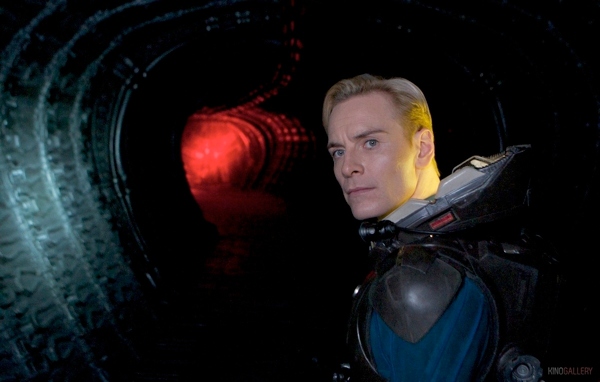
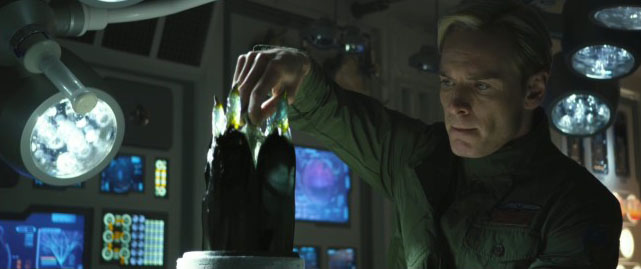
Don’t get me wrong: by any standards, Prometheus is a well-above-average film, an ambitious labor of love by a director of considerable talent; considering that its development and production history reads like an indictment of all that is wrong with the Hollywood process today, the fact that it offers so much substance along with its profit-minded formulaic plot is a miracle in itself. Scott has always been a director with remarkable gifts, particularly in visual terms, and this film certainly lives up to his reputation; it combines the immediacy of Alien with the elegiac reflection of Blade Runner; and, like both those examples, creates a stunning, immersive world for us to experience. Superbly photographed in 3-D by Dariusz Wolski, Prometheus presents a brilliant blend of its own shrewdly futuristic design and the H.R. Giger-inspired bio-technical look of the original Alien; and, to draw another comparison with 2001, it sets a new standard for special effects, with a look and a feel derived from dedication to the artistic purpose of the whole, not merely from a desire to dazzle us. This accomplishment is achieved, under the supervision of production designer Arthur Max, by a seamless blend of CG, traditional camera trickery, and live action footage, and it yields countless examples of big screen imagery which are surely destined to become iconic. All this technical wizardry is not wasted, notwithstanding the quibbles which mar the film’s narrative: Scott rises to the occasion throughout, creating moments of breathtaking beauty and visceral terror- in fact, the film’s most effective scenes (particularly a medically-themed sequence near the climax) are those which resurrect the creepy, primal body-horror around which the original was based and the fear of which is never far from our minds from the moment the exploration team lands. Aiding him in his struggle to rise above his mundane material is a fine cast which includes superb work from Charlize Theron (proving once again that she is Hollywood’s reigning ice queen), Idris Elba and Guy Pearce; standing out above the rest is the hypnotic Michael Fassbender, who provides further evidence of his substantial talent as the film’s most memorable and enigmatic character; and in the central role, Noomi Rapace makes a convincing transition from idealistic scientist to determined survivor, stirring favorable comparative memories of the franchise’s original heroine, Sigourney Weaver. The one sour performance comes from Logan Marshall-Green, whose hot-shot demeanor and club-rat looks make him not only unconvincing as a world-class scientist but also unlikable as a hero and poorly matched with Rapace’s much more sympathetic personality.

Prometheus has been anticipated as one of the year’s biggest film events, with much hype and secrecy surrounding its content and high expectations for both critical and commercial success. With all that pressure, it is not surprising that it has met, so far, with mixed reaction: hardcore fans of the genre have expressed disappointment with its emphasis on esoteric elements instead of on providing concrete answers to the mysteries it presents- many of which are left unrevealed, begging the development of a sequel despite the insistence of its makers that it is meant to be a stand-alone project- and serious-minded filmgoers have complained (as I did) of the reliance on cliché and formula in a plot which keeps it from fully realizing its higher goals. In the long term, who can really say where it will stand in the estimation of future cinemaphiles? What is certain now is that audiences seem to love it or hate it, which for me has always been the surest sign of artistic success. Summing up my own opinion, I would have to say that I loved it- with reservations. I can’t guarantee that you will share that view, but I can tell you that it’s worth a trip to your local theater to find out for yourself. You may not be satisfied, but you will almost certainly be stimulated and provoked, and isn’t that what art- and cinema in particular- is all about?

http://www.imdb.com/title/tt1446714/

;
The Invisible Man (1933)

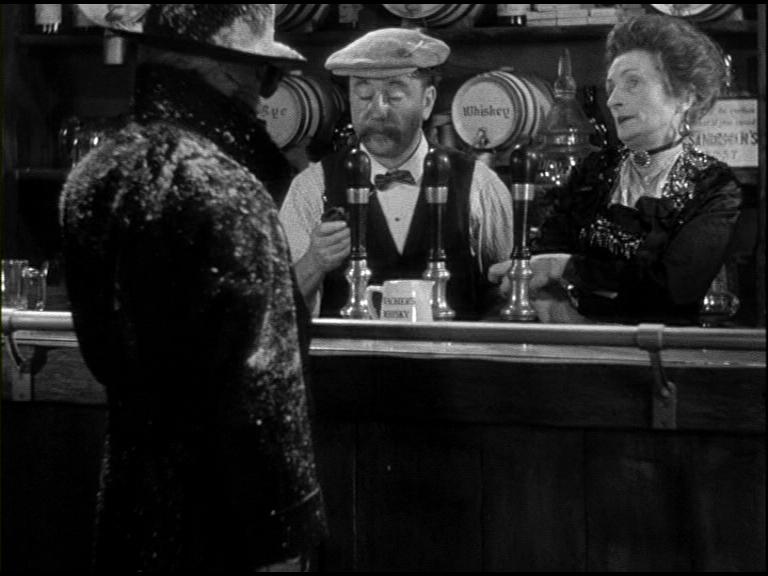
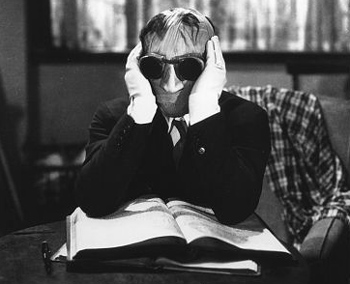
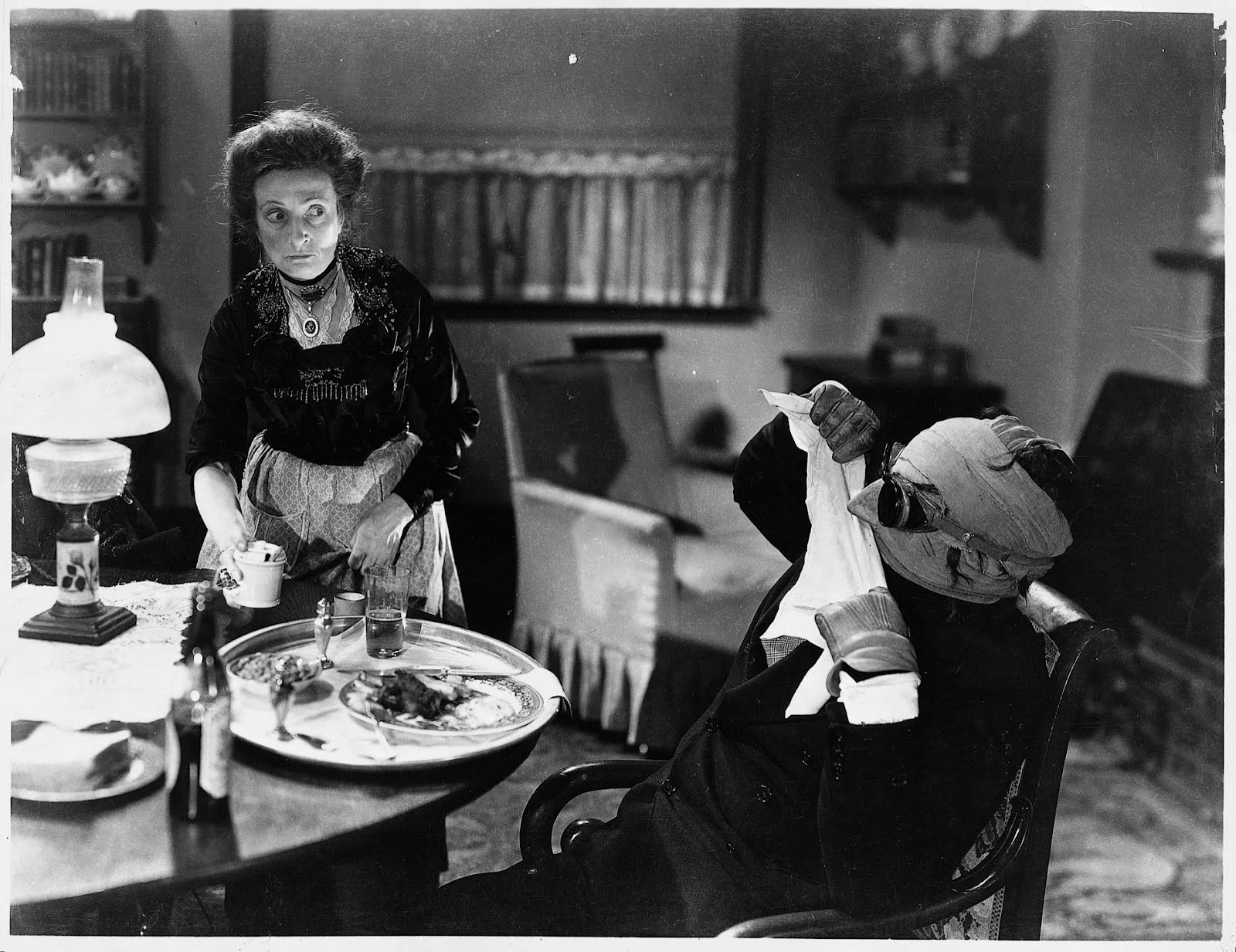
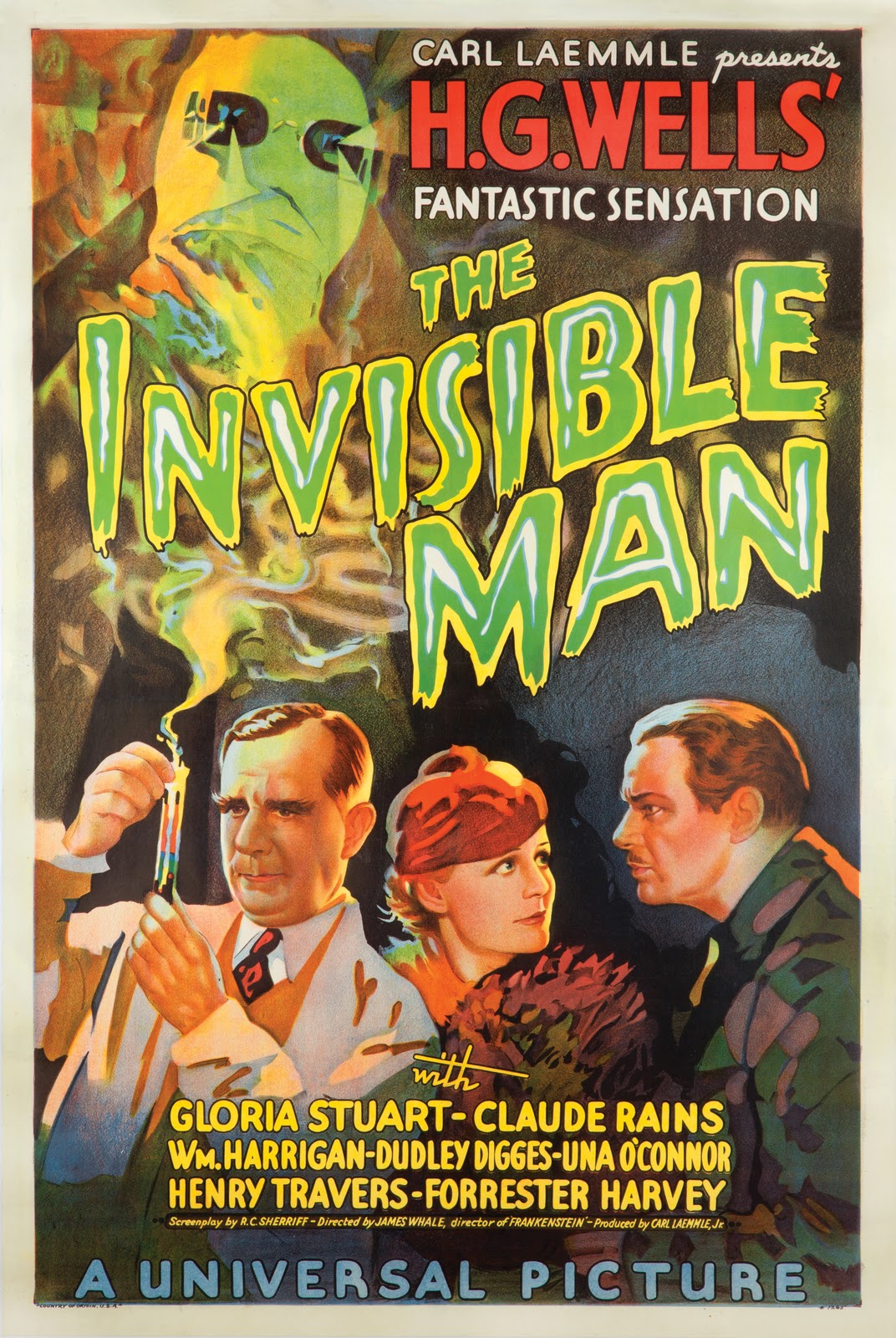
Today’s cinema adventure: The Invisible Man, the 1933 feature based on H.G. Wells’ story about a well-meaning scientist who discovers the secret of invisibility only to be driven to madness by its side-effects.  Produced at the height of Universal Studios’ early-thirties cycle of horror films, it established a familiar screen icon in the form of its bandage-wrapped title character, and is still considered one of top classics of the “monster movie” genre.  Its revered status is mostly due to director James Whale (the genius responsible for the first two Frankenstein movies), who combines a flair derived from his theatrical background with a keen cinematic style; his meticulously choreographed scenes are captured with inventive camera angles and expressionistic lighting, and his innovative techniques of visual storytelling- clever segues and montages, the savvy use of special effects to enhance his story rather than to dominate it- are a bittersweet testament to the brilliance that might have led to a long and remarkable filmmaking career had his distinctive artistic sensibilities not put him at odds with the Hollywood establishment and resulted in his early retirement from the industry.  Those sensibilities are on full display here: his arch, campy style results in a film ripe with macabre humor, and one which feels decidedly subversive in its gleefully ironic portrayal of a stodgy community disrupted from within by willful anarchy. Nevertheless, despite a tone which could almost be described as self-mocking, the story never loses its dark undercurrent of unsettling horror- not the horror of violence and mayhem (though there is a fair share of that), but the horror of that unseen menace within the human psyche- the potential for corruption and dehumanization that can transform even the gentlest soul into a monster capable of unspeakable acts of cruelty.  This balance between the wacky and the weird is achieved not only by the director’s considerable gift, but hinges also on a star-making performance in the title role by Claude Rains, who manages to walk the precarious line between histrionic mania and subtle sincerity, conveying perfectly the journey of a man struggling to hold onto himself even as he disappears into ego-driven insanity, and successfully holding audience sympathy even as he plots the most horrific acts of terror and revenge.  It is a feat made even more remarkable by the fact that his face remains hidden until the final moments of the film, and which deservedly led to a career as one of Hollywood’s most prolific and well-loved character actors.  The rest of the primary cast is effective enough, considering the prosaic acting styles of the era; notable more for their later accomplishments are Henry Travers (who went on to become everybody’s favorite guardian angel in It’s a Wonderful Life) and Gloria Stuart (who, 60 years later, became the oldest Oscar-nominated performer in history for her role in Titanic).  Though most of the supporting players come off as merely adequate, however, the army of background actors are a delight- an array of craggy, comical English faces headed by the incomparable Una O’Connor as a shrill hostess whose encounter with the mysterious stranger at her inn sets the comically creepy tone for the entire film.  R.C. Sheriff’s screenplay, though it features more than a little stodgy dialogue, captures the essence of Wells’ novel- particularly its allegorical exploration of the destructive effects of drug addiction- while expanding details of character and plot and building the foundation for Whale’s subtly skewed interpretation.  The technical elements of the film are as top-notch as one would expect from a prestige production like this: the scenic design blends an art-deco flavor with the rich detail of its various English settings, the cinematography (by the great Arthur Edeson) is a sublime example of the near-forgotten beauty and power of black-and-white film, and the special effects (supervised by John Fulton), which were advanced for their time, are still fairly impressive for the most part.  Of course, for today’s average audience, The Invisible Man may bear the stigma of being dated, creaky and far too tame for modern tastes; it may also suffer mildly from its abrupt and somewhat anti-climactic resolution.  Even the most jaded viewers, however, will likely be drawn in by the considerable charm of a movie that inspires them to laugh out loud as they contemplate the deeper, darker themes which bubble within it like the test tubes in a mad scientist’s arcane lab.

http://www.imdb.com/title/tt0024184/

Thor (2011) & Captain America: The First Avenger (2011)

ImageImage

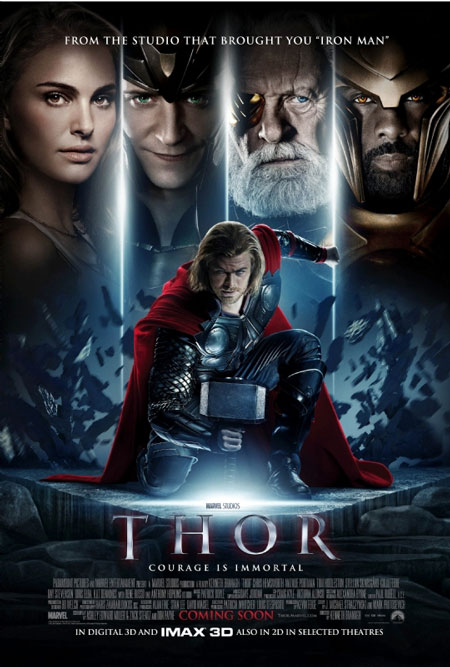
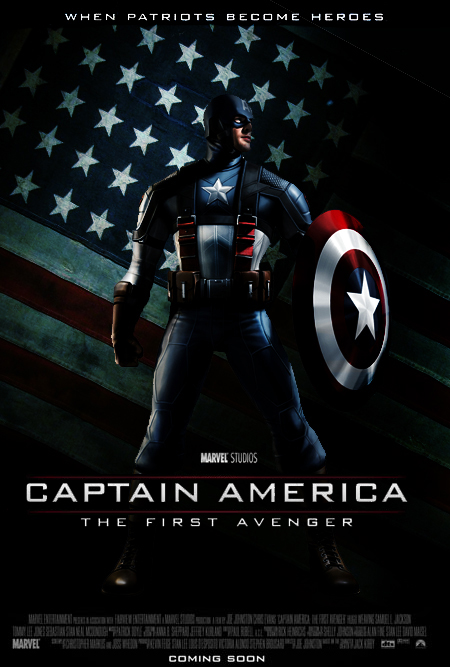
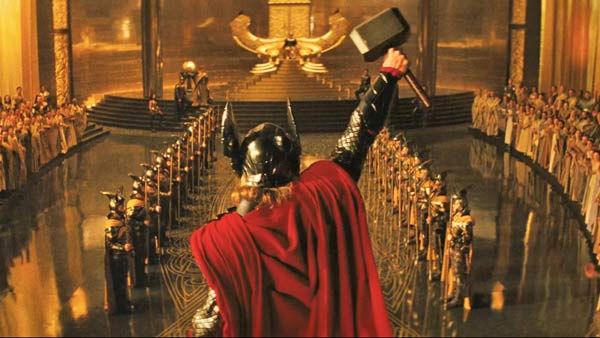
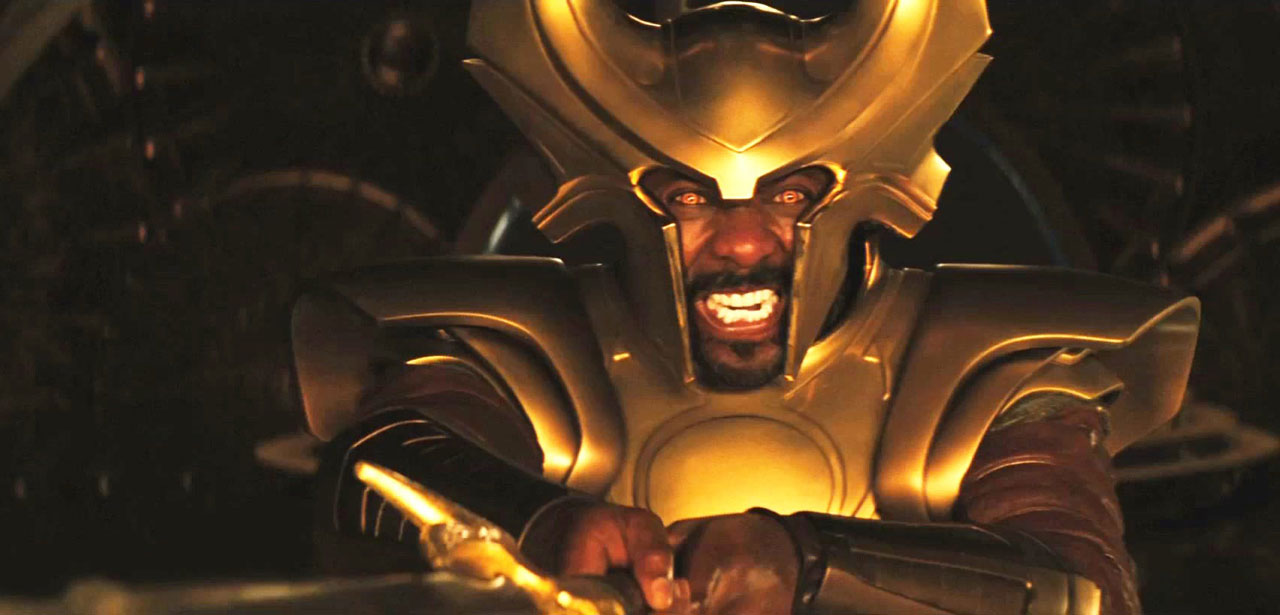
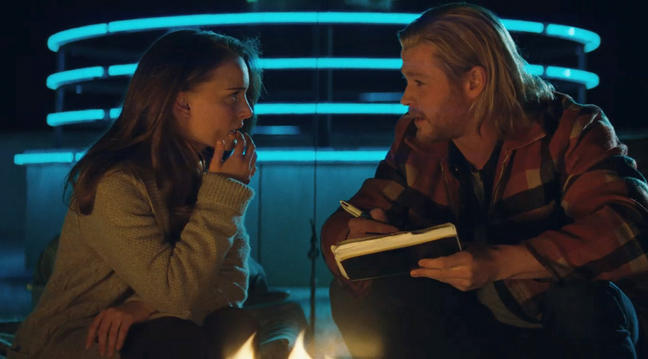
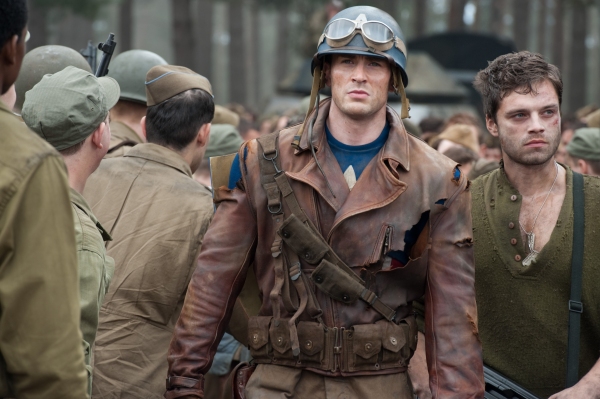
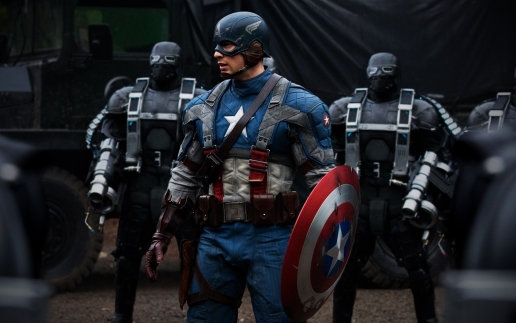
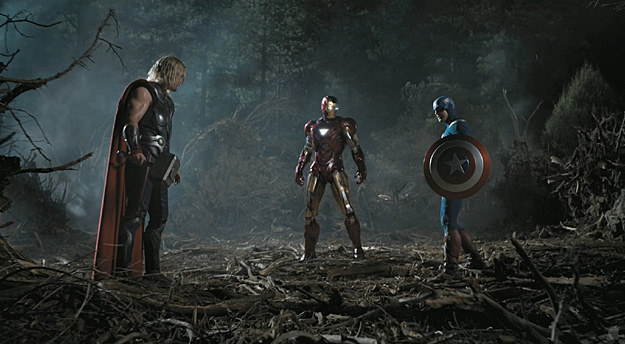
Today’s cinema adventure is a double feature: Thor and Captain America: The First Avenger, the two 2011 entries from Marvel that introduced audiences to seminal figures in the then-upcoming Avengers blockbuster, further establishing the groundwork begun in the successful Iron Man franchise and setting up key elements of the story arc which unites all the films.   In the first of the pair, Thor, heir to the throne of Asgard, is exiled by his angry father to the distant planet earth, precipitating a rebellion in his home world which threatens to wreak destructive havoc in both places; in the second, set during the second world war, scrawny weakling Steve Rogers is transformed by a secret government experiment into a super soldier who leads the battle against an insidious threat rising from within the ranks of the Nazi Reich.  The two films bookend each other nicely, thematically speaking: both feature heroes who rise to greatness, one by breaking through his own arrogance to find humility; and the other by holding on to his pure-hearted nature after being bestowed with super-human powers.  Both scenarios are familiar variations of the “Hero’s Journey” myth, and as such fit snugly into the comic book milieu from which the characters and their stories are drawn; and though the production teams for each film are, for the most part, comprised of different artists, under the guidance of Marvel and its mastermind, Stan Lee, both maintain a strong visual and thematic connection to the printed form of the source material.  Indeed, thanks to the heavy use of CG effects in creating the worlds of these films- which at times almost erases the line between animated and live action filmmaking- they seem like gigantic, moving comic books; the only thing missing is the presence of bubbles for the dialogue and thoughts of the characters.  This, of course, is precisely what the creators of these spectacles have intended; and on that level, they have succeeded in spades.  However, it is that candy-coated quality that handicaps both of these films, as well: in making the impossible come to life in such a clearly artificial setting, they distance us from the characters and the story, keeping us constantly reminded that what we are seeing has no real weight or consequence in our lives and preventing an emotional connection much in the way that Brechtian theatre-of-alienation tactics were designed to do; unfortunately, the purpose of that presentational technique was to provide a detachment that would allow an intellectual connection instead, and here, there is so little food for thought that the effect (for those not dazzled into submission by the visual trickery) is closer to boredom.  Between the two films, Thor fares somewhat better: though marginally more far-fetched in its content, the mythological connection provided by its use of Norse gods and goddesses as an integral part of the plot allows us, somehow, to more comfortably suspend our disbelief and buy into its premise of our world being caught up in a conflict of all-powerful titans.  Indeed, the storytelling aspect is strong enough- almost- to avoid being overwhelmed by the computer-rendered spectacle surrounding it, largely thanks to the direction of one-time Shakespearean golden-boy Kenneth Branagh, whose extensive experience with classical narratives makes him well-suited to the mythic themes in play.  Not so sure-handed at the helm is Joe Johnston, whose Captain America starts out well enough as it chronicles the eager young hero’s transformation, but then seems to move aimlessly through its progression of set pieces, content to rely on action and mood to keep us interested until it reaches the last one; rather than the unfolding of an archetypal tale, this second film feels instead like a piece of nostalgic fluff, a cliché-ridden WWII adventure souped-up with wish-fulfillment fantasy, trying painfully hard to avoid irony in its handling of the gee-whiz jingoism of its subject matter by masking it in nostalgia (mainly provided by the bathing of every scene in a golden-hued light in order to remind us that we are watching a story set in the 1940s).  This lack of real direction is exacerbated by the hollowness of the characters: whereas in Thor, the screenwriters (Ashley Miller, Zack Stentz, Don Payne) invest time and attention to the development the characters and their relationships, in Captain America the scribes (Christopher Markus, Stephen McFeely) have relied on the familiarity of the stock types that populate their film, establishing identity with glib one-liners and giving mere lip service to the bonds and rivalries that determine their loyalties; in both, the players are little more to us than obligatory ciphers required to fulfill a formula, but at least in Thor, they have real personality.  The cast lists of both movies are dotted with ringers: such heavy hitters as Anthony Hopkins, Stellan Skarsgârd and Natalie Portman (Thor) and Tommy Lee Jones, Stanley Tucci and Hugo Weaving (Captain America) all add prestige and interest to the proceedings, and manage- with varying degrees of success- to elevate the material to a level that at least gives the illusion of substance.  As for the titular heroes, Chris Hemsworth as Thor does an adequate job of enacting his transformation from entitled blowhard to compassionate champion, and Chris Evans as the Captain manages to capture the right blend of sincerity and aloofness; but, perhaps partly due to the inherent limitations of the characters, both actors ultimately comes off as little more than eye candy (not that this is a bad thing- part of the traditional appeal of this kind of escapist entertainment is the beefcake factor).  The production of both movies, as mentioned before, is breathtaking, presenting us with glossy, hyper-real visions of the Marvel Universe; united by cohesive production design (Bo Welch for Thor, Rick Heinrichs for Captain America), they continually wow us with movie magic that reminds us of how far we’ve come from the days of actors hanging on wires in front of projected skyscapes.  The musical scores, provided by Patrick Doyle (director Branagh’s long-time collaborator) on Thor and Alan Silvestri on Captain America, are appropriately stirring.  In fact, every technical aspect of both films is top-notch, Grade-A, best-of-Hollywood stuff; but ultimately, though Thor has its strengths, they both come up short in the long run, big on style and spectacle, but lacking in the kind of genuine depth that can make movies of this genre into a more meaningful experience.  There is certainly entertainment value here, but even that seems strangely lacking; both pieces feel more like prologues (which they are) than stand-on-their-own experiences, setting the stage for things to come and somehow failing to provide the satisfaction of real closure.  Of course, this is the nature of comic books- each segment ends in a cliff-hanger, ensuring that the reader will rush out to buy the next edition as soon as it is available.  Thankfully, in this case the next edition is The Avengers, which succeeds where these two predecessors have not- but that’s another review.

Thor http://www.imdb.com/title/tt0800369/

Captain America: The First Avenger http://www.imdb.com/title/tt0458339/

ImageImageImageImageImageImageImageImageImage

—————————————————————-

ImageImageImageImageImageImageImageImageImageImage

The Man Who Fell to Earth (1976)

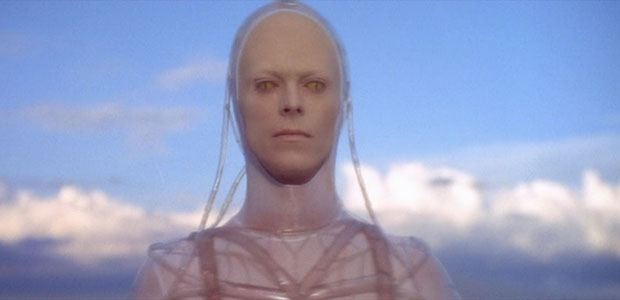
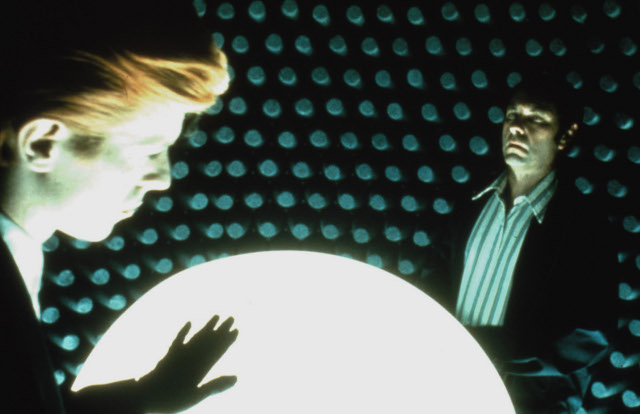
Today’s cinema adventure: The Man Who Fell to Earth, Nicholas Roeg’s 1976 feature starring David Bowie in his first leading film role.  Based on a 1963 novel by Walter Tevis, it tells the story of Thomas Jerome Newton, an extra-terrestrial visitor who uses his advanced technology to build an enormous fortune, with the intention to finance the transport of water back to his drought-ravaged home planet, only to be trapped by the interference of corporate and governmental forces- and by his own indulgence in the pleasures of an earthly lifestyle.  Visually arresting, leisurely paced, solemn and thoughtful in tone yet experimental and occasionally sensational in style, Roeg’s film (like it’s protagonist) is something of an enigma.  Eschewing clarity for mood, the director obscures the storyline with surreal imagery depicting the visceral experiences of its characters, flashbacks to the blasted desert landscape of Newton’s world, strange episodes of temporal disturbance, and a continual shifting of focus among the perspectives of the various principals.  The result is a disjointed, confusing film which seems designed to make sense only upon repeated viewings, with plot points revealed in passing by off-handed dialogue, the omission of key details which forces them to be filled in by audience assumption, and the ambiguous resolution of major story elements which leaves more questions than answers.  These, however, are deliberate moves on Roeg’s part; he is less interested in presenting a cohesive science fiction narrative than in exploring a metaphor about the lure of wealth and pleasure and the corruptive influences of social and political forces, and he expresses these themes through a meticulously edited mix of hallucinogenic, serene, majestic and pedestrian images which blend to create a dreamlike final product.  As for the acting, the key supporting roles are effectively filled by experienced pros Rip Torn and Buck Henry, as well as seventies flavor-of-the-day starlet Candy Clark as a blowsy hotel housekeeper who becomes Newton’s companion; but the film is, of course, centered on Bowie, here at the height of his rock icon popularity, who provides the perfect blend of childlike simplicity and jaded sophistication, exuding both poise and vulnerability and projecting the haunted longing and the bitter disillusionment that mark Newton’s odyssey through the experiences of our planet.  Bowie himself has admitted to his heavy use of cocaine during the making of the film, which (though regrettable from many viewpoints) no doubt served to enhance the dissociated, alien persona which so perfectly complements its dreamy, distant mood.  Added to the mix is superb cinematography by Anthony Richmond (which dazzlingly captures, among other things, the beauty of the New Mexico landscape that provides the setting for much of the film) and a well-chosen soundtrack of music (compiled by ex-Mamas-and-Papas-frontman John Phillips) featuring avant garde compositions and familiar pop tunes from various eras.  The bottom line on this cult classic: if you are looking for a straightforward sci-fi tale, don’t look here- although the currently available version is a restored director’s cut which makes the plot somewhat more coherent than the highly-edited original release, you are almost guaranteed to be disappointed.  However, if you are interested in a thought-provoking visual experience (or if you are a hardcore Bowie fan), this really is a must-see, and though it is ultimately somewhat cold and unsatisfying, it is a film which will stay with you for a long time afterwards.

http://www.imdb.com/title/tt0074851/

The Avengers (2012)

Image

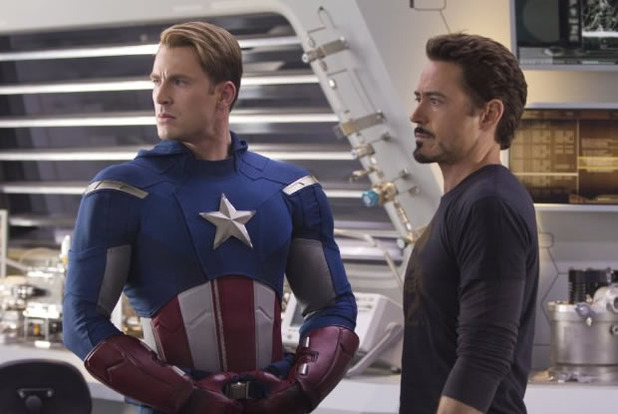
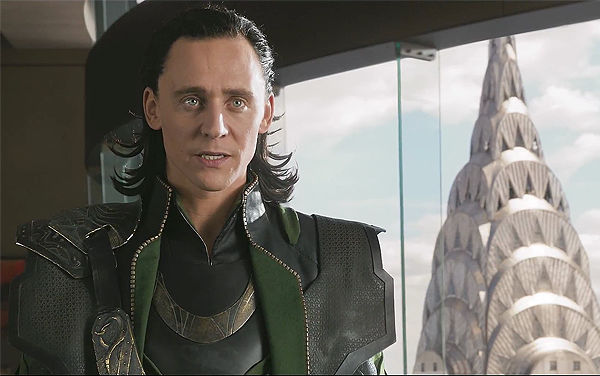
Today’s cinema adventure: The Avengers, the long-awaited 2012 action/fantasy feature from director Joss Whedon which unleashes the combined force of most of Marvel’s top superhero characters and has ensured, with its record-smashing box office returns, that the flourishing “comic book” genre is here to stay- at least for now.  The plot, of course, could have been lifted from any Cold-War-era sci-fi potboiler: when a god-like being from another world brings an army to conquer the earth, a secretive government organization assembles a band of disparate heroes to head off the invasion, forcing them to set aside their own differences- and face their own weaknesses- in order to unite against the common foe.  The details get a bit confusing, unless you are intricately familiar with the plot threads that have been unwinding through the various associated franchises leading up to this blockbuster, or unless you can follow the lightning-fast pseudo-technical jargon with which the various conceits are established; but none of that matters, because unlike many inferior attempts at making this sort of hyper-driven action spectacle, “The Avengers” hinges not on its ridiculous storyline- nor even on the mind-blowing, state-of-the-art special effects, though admittedly those provide a considerable amount of the fun- but on the characters which inhabit it.  The legion of “fan boys” at which this movie is targeted can rejoice that, after decades of clueless studio hacks trying to capitalize on the popularity of comic books without understanding or respecting the material, at long last the genre is in the hands of artists who have grown up with a reverence for it; gone are the days of bland, leotard-clad goofballs with no charisma spewing cheesy platitudes.  Here we are treated to a collection of heroes that we can truly believe in because we can relate to them: full of doubts, anger, trust issues and guilty consciences, they are nevertheless driven by hope to perform the duties thrust upon them; and there is never any question that they have the ability to face whatever the other-worldly would-be conquerors can throw at them, as long as they can overcome the obstacles they generate within their own flawed psyches.  By capturing this element, Whedon (who also wrote the screenplay, from a story by himself and Zak Penn) has captured the key to what makes these far-fetched, over-the-top stories so compelling: they are, in fact, mythology that has been re-invented in a form that appeals to a modern generation.  We see our own psycho-dramas acted out in symbolic form by these idealized versions of ourselves, and through their victories we see the possibility of our own.  To be sure, of course, it’s not the kind of doom-and-gloom mythology that takes us through the dark night of the soul, and it would be completely wrong to think that The Avengers aims at any emotional or spiritual resonance beyond an adolescent level; but still, no matter how many millions of dollars were spent on the CG eye candy, it would have all just been visual noise without that important, cathartic element.  The Avengers seeks to entertain, not to enlighten, but it’s a testament to the talent of its creative forces that it manages to do both.  Whedon has levied his success as a creator of niche-targeted cult entertainment into status as a mainstream artist to be reckoned with, and he directs with a sure hand and a clear vision, striking a perfect balance between action and intimacy and keeping the whole thing roaring along at a breathless pace that makes the two-hour-plus running time feel half as long.  He has considerable help from crack film composer Alan Silvestri, cinematographer Seamus McGarvey, and an army of designers and special effects artists under production designer James Chinlund; and, of course, the work of his cast is exemplary, with the always-delightful Robert Downey, Jr., Mark Ruffalo, and Scarlett Johansson standing out in particular.  Special mention must be made for the driving force behind it all: comic book legend Stan Lee (one of the Executive Producers of this and all the Marvel films, which are of course his babies), who has brought his remarkable work from the printed page to the big screen (in magnificent 3-D, no less) with meticulous attention to getting it right and a vision that invites comparison to, dare I say it, Walt Disney himself.  Before I am accused of gushing, I should point out that there are quibbles to be made here- the villain, Loki, is not exactly an imposing threat, for all his superhuman powers, and there are numerous points in the film when the perfunctory conflicts between the protagonists threaten to derail the driving pace- and I can’t say that The Avengers and the other films with which it forms a sort of super-franchise (pardon the pun) transcend the comic book genre, as Christopher Nolan’s rebooted Batman cycle has done.  Nevertheless, in a time when rising ticket prices make it less and less appealing to go to the theater rather than just wait a few weeks for the DVD/BluRay release, it’s a film that delivers what it promises and more; and that’s a feat at least as heroic as any of those accomplished by the superteam of its title.

http://www.imdb.com/title/tt0848228/

ImageImageImageImageImageImageImageImageImageImageImage

2001: A Space Odyssey (1968)

Image

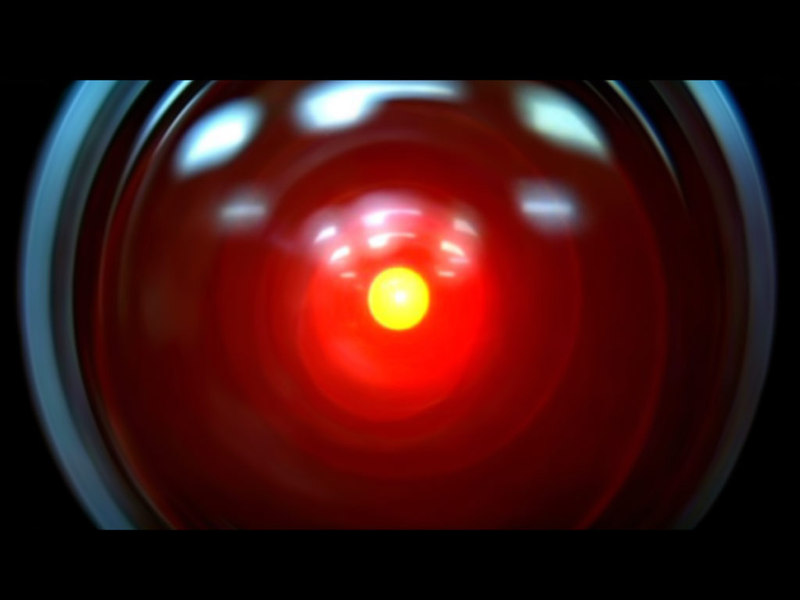
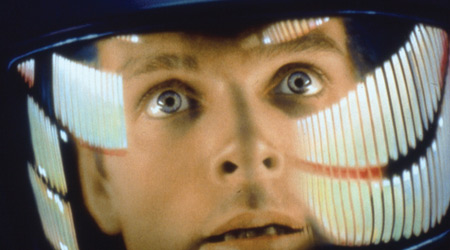
Today’s cinema adventure: 2001: A Space Odyssey, Stanley Kubrick’s landmark 1968 epic that not only revolutionized and legitimized the sci-fi genre but has come to be reckoned as one of the greatest English-language films ever made.  Working from his own screenplay (co-written by famed sci-fi author Arthur C. Clarke), which frames the expansive narrative as a sort of interplanetary mystery about the discovery of an ancient monolith and the subsequent space mission to learn its secrets, Kubrick’s mastery turns what could have been a B-movie potboiler into a breathtaking and hypnotic exploration of Man’s relationship with the universe.  With subtle, elegant simplicity, he opens up questions about our origins, our struggle to survive the threats posed both from without and within, our ability to adapt and utilize the knowledge we accumulate, the future towards which we are headed, and the nature of reality itself.  Don’t be fooled by the title into thinking that this film is dated- though the precision of the forecast may be a little off, Kubrick’s vision of the future is decidedly- even chillingly- apt (I defy anyone who knows this film to engage Siri on their iPhone without thinking uncomfortably of the infamous HAL 9000); and the special effects, designed by Douglas Trumbull, capture the immensity, the cold sterility, and the mechanics of space with an authenticity (and a beauty) that has yet to be surpassed, even in today’s CG-laden blockbusters.  I could go on and on about the ingenious use of sound, the now-iconic use of classical music for scoring, the stunning visual artistry which works on every level from the spectacular to the subliminal; and I could warn less adventurous viewers about the lengthy abstract climax which defies the logic of linear storytelling; but it seems far more useful to encourage anyone who has yet to see this cinematic treasure to do so ASAP- and preferably, if you are lucky enough, on a big screen as it was meant to be seen, as I did last night.  I can’t guarantee you won’t hate it- some do, for various reasons- but at the very least, you owe it to yourself to experience one of the masterpieces of contemporary cinema; and however you react to it, it will be sure to stimulate thought and conversation, and what more could one possibly ask from a work of art?

imdb: http://www.imdb.com/title/tt0062622/