Drive (2011)

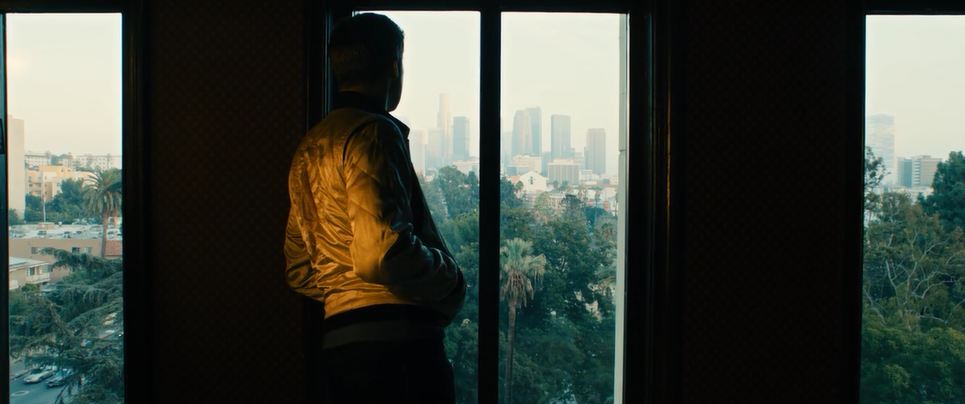
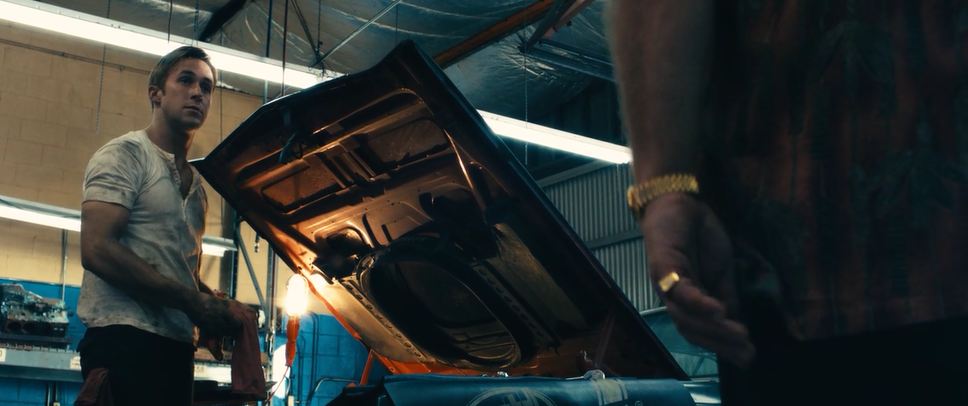
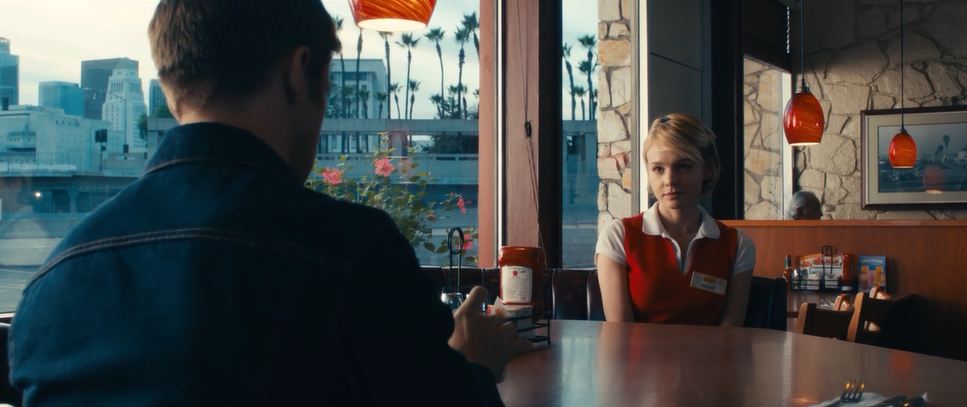
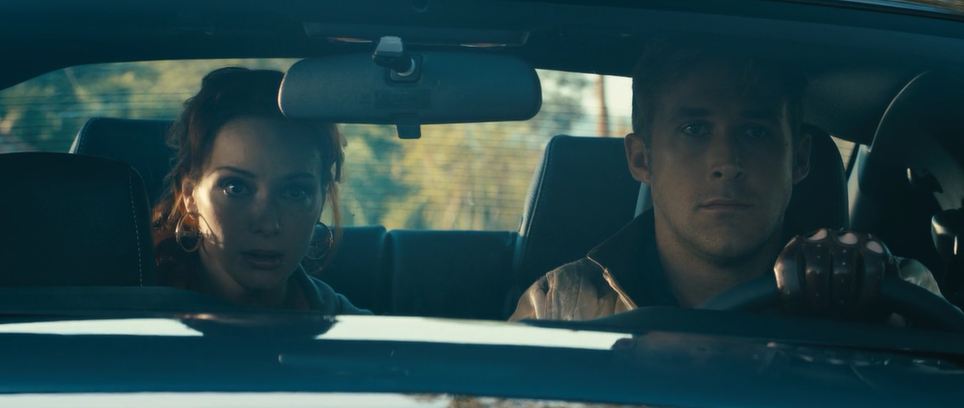
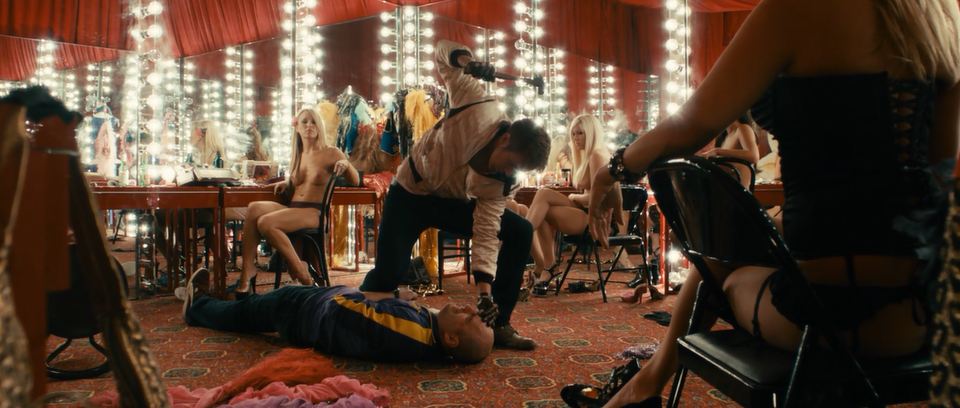
Today’s cinema adventure: Drive, the slick 2011 crime thriller starring Ryan Gosling as a Hollywood stunt driver and mechanic who moonlights as a wheelman for high-dollar robberies; a highly marketable package featuring a lot of action and a little romance, which garnered much praise for its visual style- a glossy mix of 1980s-flavored grittiness and edgy contemporary flash- and drew controversy for its bursts of brutal violence.  Essentially a post-modern film noir, set in a seemingly lawless Los Angeles populated and controlled by ruthless criminals, it seethes with an atmosphere of cynical amorality in which life is cheap and trust is for suckers and fools; and yet for all its hip, hard-edged posing, this movie is, at its core, pure Hollywood fantasy of a decidedly old-school nature.  In essence, in fact, it’s a modernized, urban reworking of Shane, the revered and iconic western classic from 1953.  All the plot elements are there: a loner with a mysterious past befriends a struggling family and becomes their protector against the machinations of a powerful gang of thugs, eventually taking justice into his own hands and embarking on a one-man crusade to eliminate the threat once and for all.  Though the details have been modernized and reconfigured a bit, the structural blueprint is the same, from the dominant themes of family and justice vs. power and greed to the fact that its tarnished hero doesn’t carry a gun.

If noting this obvious parallel to a cinematic touchstone sounds like a negative criticism, it isn’t: many good films are built upon a framework borrowed from great films that came before, and although its plot line is clearly second-hand, Drive certainly re-interprets the story on its own terms.  Part of the credit lies with Hossein Amini’s terse screenplay (adapted from a book by James Sallis), which cleverly updates the details of the plot and its characters while retaining the essence of its central conflicts.  The foremost contributor to the success of this re-invention of cinematic myth, however, is director Nicholas Winding Refn, a Danish-born filmmaker whose lack of native familiarity with the distinctly American setting and milieu has allowed him to approach the material with the empirical eye of an observer.  One of the consequences of his outsider’s viewpoint is the superb use of the L.A. locale, so often taken for granted by resident directors; he takes full advantage of it, not so much in his depiction of specific landmarks, but in the way he captures the character of it, particularly the Echo Park district where much of the action takes place.  He also brings a detached objectivity that somehow adds to the emotional resonance of the story, helping it to feel freshly-minted despite the echoes of its heritage that bounce through every scene.  With the help of cinematographer Newton Thomas Sigel, he fully utilizes his locations to create an impressive visual coherence, infusing the squalid city streets with a slick, art-house sheen that echoes the feel of genre icons like Thief and To Live and Die in L.A. while still asserting Drive’s independence and modernity with its own up-to-the-minute, slo-mo/hi-res personality.  This effect is enhanced by the dreamlike electronic score by Cliff Martinez, which also facilitates the deliberate build-and-release of tension that pushes the film towards its inevitable conclusion.

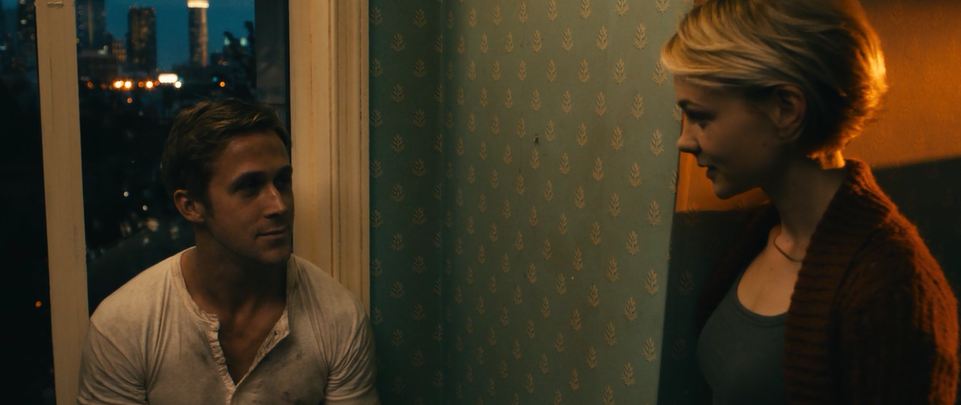
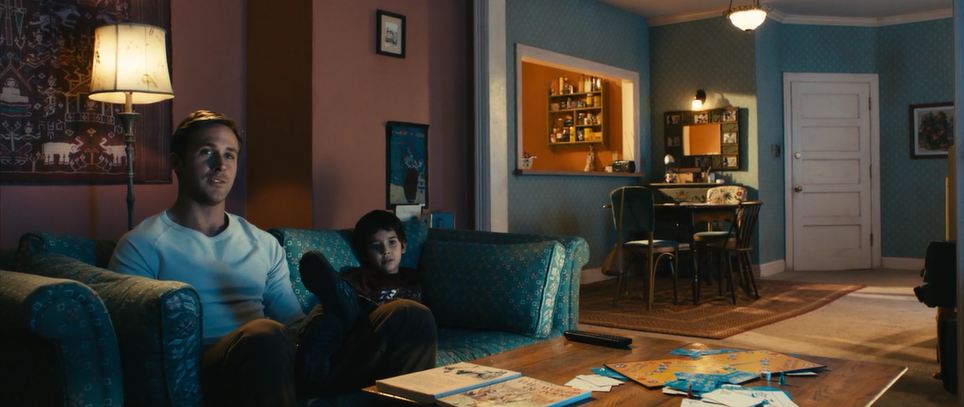
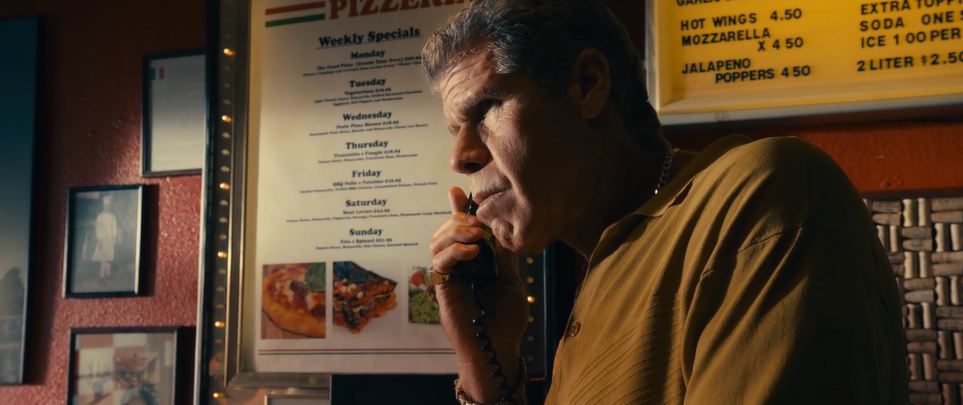
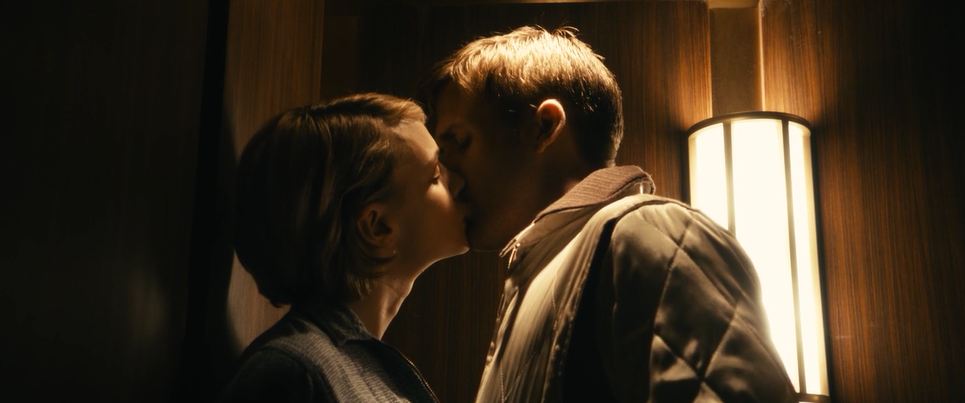
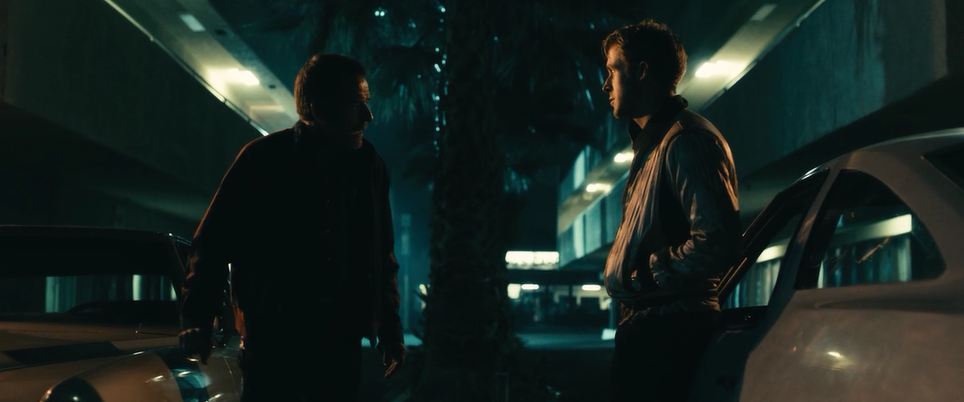
On the business end of the camera is an attractive cast comprised of talented up-and-comers, seasoned veterans, and a strategically familiar collection of supporting players.  In the latter category are a trio of high-profile TV transplants: Christina Hendricks (compelling and memorable in a bad girl role that allows her to show a markedly different side than the one we see on Mad Men, but ultimately wasted in what amounts to little more than a cameo), Bryan Cranston (in a kinder, gentler variation of his Breaking Bad persona as Gosling’s employer and surrogate father figure), and Sons of Anarchy’s Ron Perlman (lending his star power and his imposing presence to a part that could otherwise be played by any tough-guy actor).  As the little family whose plight provides the catalyst for the film’s action are Oscar Isaacs (playing admirably against expectation as the ex-convict father striving to break free of his shady past, and nicely fleshing out a character which is ultimately little more than a plot device), young Kaden Leos (projecting a muted wisdom beyond his years and showing considerable onscreen chemistry with Gosling in their scenes together, which goes a long way towards providing the heart of the film), and English actress Carey Mulligan.  Mulligan has perhaps the most difficult role here, in which she is required to maintain a quiet, attractive nobility while navigating a complex subtext of resignation, repressed attraction and nagging fear.  She manages it well, inhabiting all those facets and bringing intelligence, sweetness, and dignity to the part (making it seem, perhaps, much more fully realized than it actually is), as well as creating her own chemistry with co-star Gosling; their scenes together are nearly wordless, for the most part, yet the pair infuses the silence with volumes of unspoken feeling, and when they finally kiss, the cumulative passion of their previous interactions is sufficiently powerful to warrant the highly cinematic approach with which director Refn chooses to showcase it.

Which, of course, brings us to our star: Gosling’s character (never named, but listed in the credits merely as “Driver”), like his cowboy counterpart in Shane, is rough-edged and dangerous, despite his All-American good looks and his quiet demeanor.  Yet, street-savvy thug or not, he is also possessed of a resolutely ethical core which drives him from within just as deliberately as he himself drives his own restored 1973 Malibu.  In order to successfully embody this urban paladin, Gosling must convincingly seem both too hard to be good and too good to be true- and he must do so with an amount of dialogue that can be described as sparing, at best.  He pulls it off brilliantly, managing to be believable on both ends of this extreme spectrum with a likeably stoic performance that is (appropriately enough) reminiscent of Steve McQueen at his anti-heroic best.  It’s a hypnotic performance, and watching the young actor confidently stand in the center of this film, it’s easy to see why he is one of the hottest leading men of the new Hollywood generation.

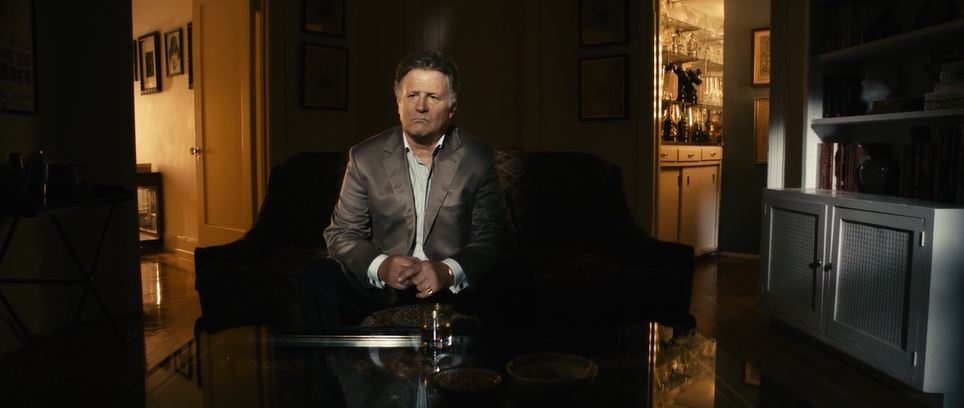
As good as Gosling is, though, the standout performance in Drive comes from a surprising source: Albert Brooks, known for his comedic work both as an actor and filmmaker, here plays against type as a ruthless gangster.  It’s a shrewd bit of casting, and Brooks takes full advantage of it, undercutting the cold-bloodedness of the character with his familiar, likeably nebbish persona; the result is a contrast between charm and menace that makes him easily one of the most chilling big-screen bad guys in recent memory.  Despite the impressive work of director Refn and the stellar turns of the other leading players, his performance is perhaps the one element of Drive which elevates it from the level of a well-made potboiler to that of a potential Hollywood classic.

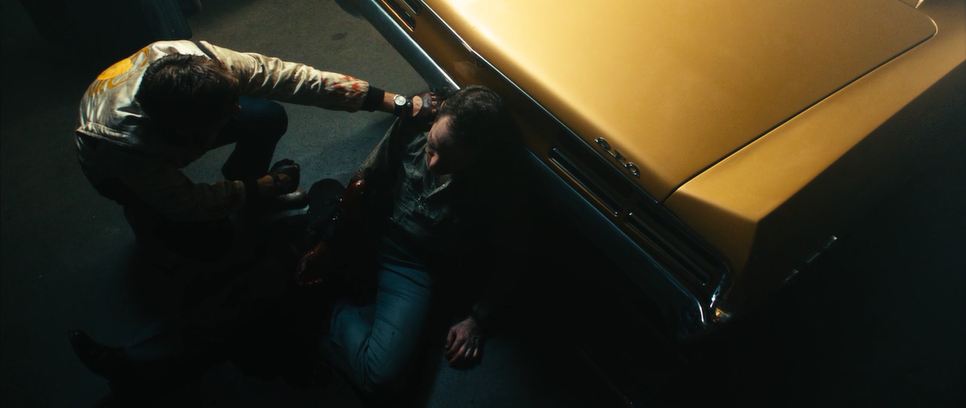
As to that, only time will tell.  Drive has a dazzling quality that keeps you mesmerized while its subliminal elements do their work; fooled by the flashy surface, we fail to recognize that we are being shrewdly manipulated by the familiar undercurrents that pull our sympathies and shape our expectations.  As a result, we are more inclined to suspend our disbelief in the blatantly romantic premise at the core of the movie, a premise summed up in its tagline, “Some heroes are real;” or at least, in theory we should be.  Some viewers, however, may not be taken in by the smoke and mirrors, and may find they are unwilling to buy into a plot that, though appropriate for a larger-than-life epic of frontier justice and heroic gunslingers, seems decidedly unconvincing for a gritty tale of corruption and betrayal in the seedy urban underworld.  It should also be noted that, in spite of its family-friendly roots, this movie contains some very graphic and disturbing violence- in particular, an elevator scene (from which the aforementioned controversy resulted) that had to be edited into a toned-down version, and which is still shockingly gruesome- so more squeamish viewers should stand warned that they might want to stay away.  However, for most filmgoers- particularly those with an admiration for the nuts and bolts of the art- Drive will likely provide a rich experience, perhaps even more so for those savvy viewers who can recognize the archetypal formula from which it is derived.  Though its plot may hold few surprises (at least for anyone who has seen Shane), and though it may, in the final analysis, be unconvincing, there is still a fascination in seeing the ways in which Refn and his crew have molded it into its new form, and the attendant implications that arise from its transposition in setting, such as the differences (and similarities) in the portrayal of masculine and feminine roles, the metaphoric associations of our obsessive American car culture, and the difficulties of defining ethical behavior in a world complicated by conflicting moral standards.   Unacknowledged remake though it may be, it is nevertheless an inventive and original piece of filmmaking, and even if we already know where its taking us, it makes getting there an exhilarating ride.

http://www.imdb.com/title/tt0780504/

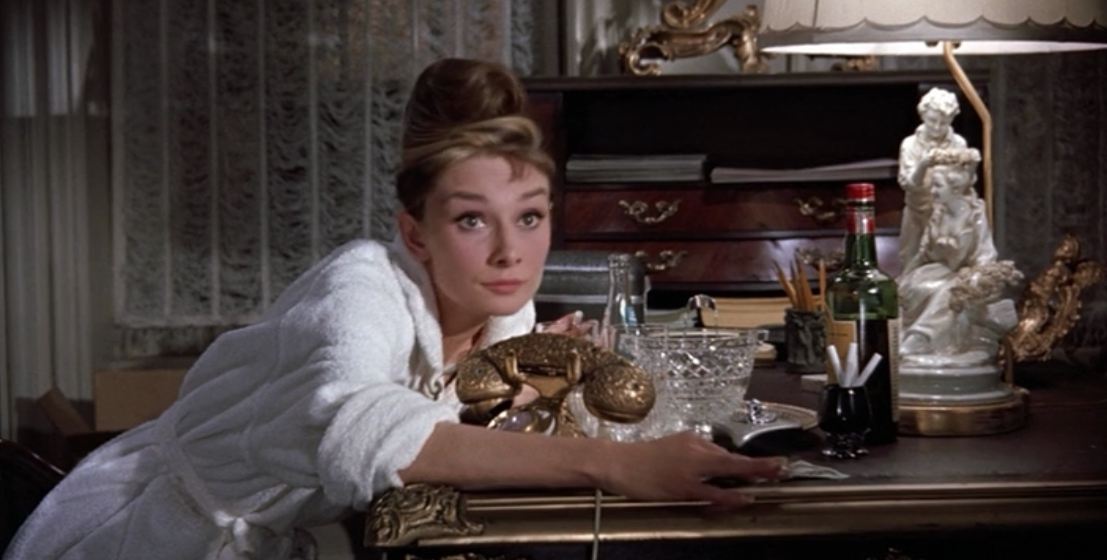
Breakfast at Tiffany’s (1961)

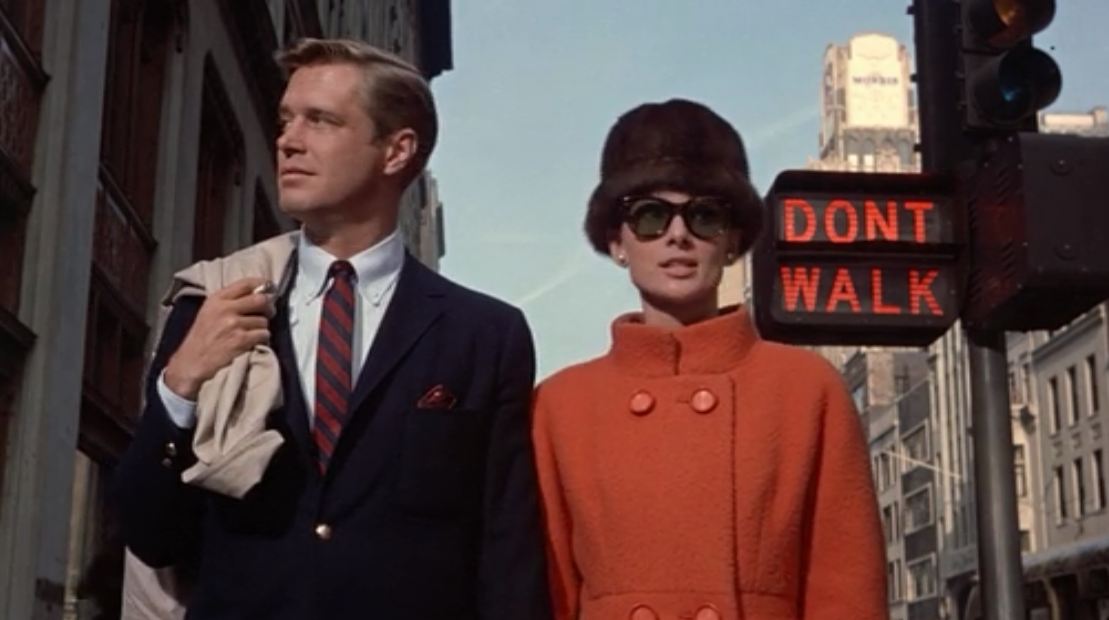
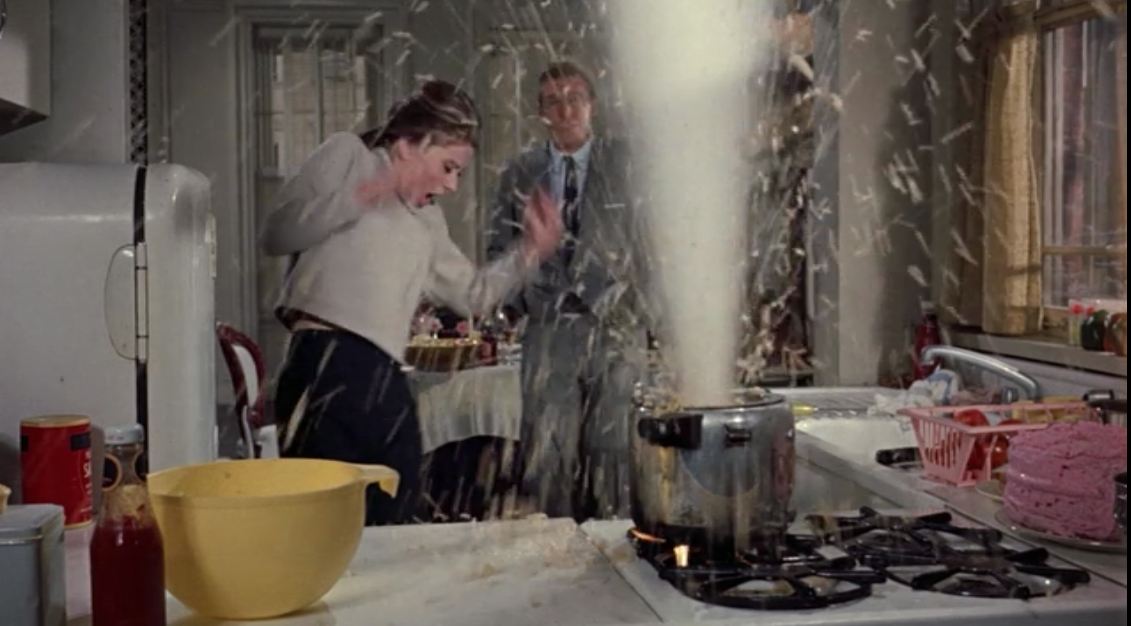
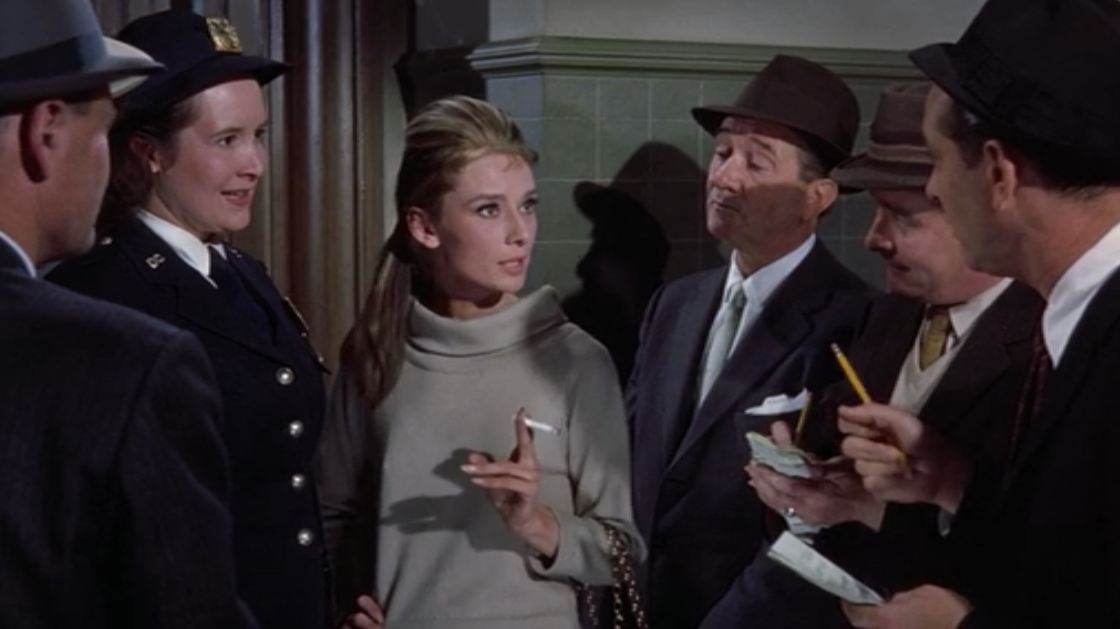
Today’s cinema adventure: Breakfast at Tiffany’s, the much-beloved 1961 romantic comedy classic widely regarded as the ultimate vehicle for its star, Audrey Hepburn. Adapted from Truman Capote’s semi-autobiographical novella of the same name, it is the story of the relationship between Holly Golightly, an unconventional “free spirit,” and a young writer who becomes her neighbor; drawn by her zest for life, he grows closer to her, discovering along the way that her true nature may not be as carefree as it seems. George Axelrod’s screenplay updates the action to the then-present day from the 1940s setting of Capote’s original story, and makes other significant changes to give it a more cinematic flow as well as to make it more palatable for audiences of the time. Most notably, it removes several potentially controversial elements, such as Holly’s unwed pregnancy and the homosexuality of the writer (unnamed in the novella), the latter adjustment also allowing the transformation of the central relationship from a friendship to a romance- a decision undoubtedly motivated by a goal to help the film become a popular hit- a goal which, needless to say, ultimately proved successful.

Despite the changes, Breakfast at Tiffany’s remains surprisingly racy for its era- both central characters are openly depicted as prostitutes, more or less- and the plot remains somewhat uneventful, on the surface at least, focusing more on the unfolding of character than action. However, director Blake Edwards guides it well, wisely allowing the effervescent charm of his leading lady to captivate the audience, and supporting her by never letting his camera stray too far away from her for very long; he prevents the apartment-house setting from becoming monotonous with frequent expansions into other, well-chosen locations (taking full advantage of New York’s local color, as captured by cinematographer Franz Planer), as well as with a fluid camera continually finding new perspectives from which to view the action, and the occasional diversion into a suitably zany situation. He coordinates all the pieces- particularly Henry Mancini’s Oscar-winning score- with care, to make the entire package seem a bubbly, delightful romp, in spite of the bittersweet sense of melancholy that underlies much of it; this surfaces in moments that feel poignant rather than heavy, and in the end, though the film’s resolution may be its most un-Capote-esque characteristic, we are left all the happier for having had our heart-strings tugged, just a little.

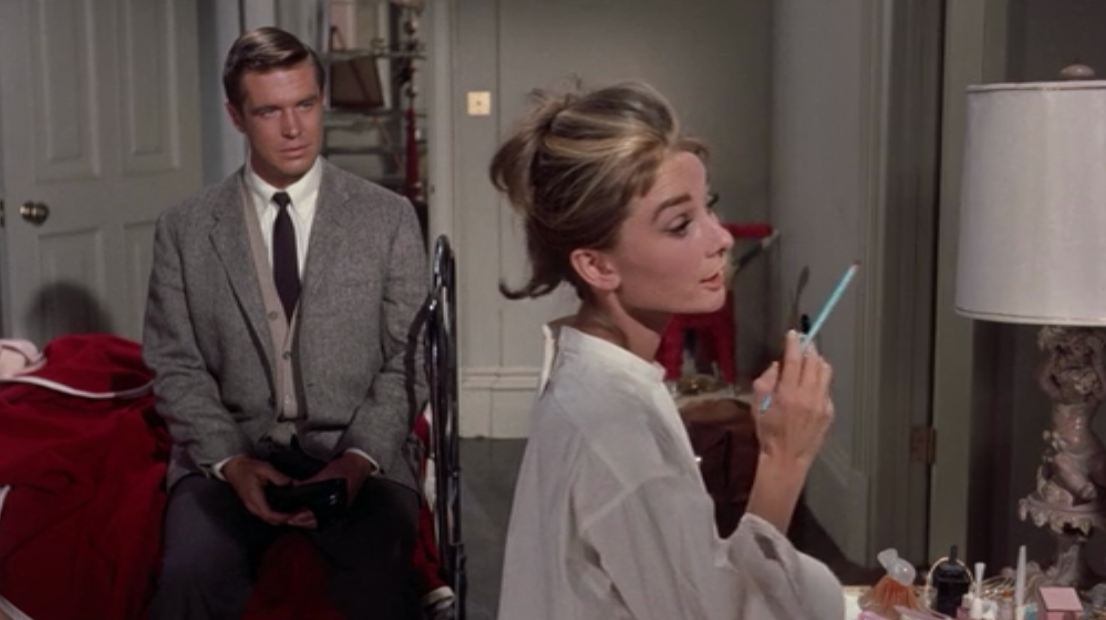
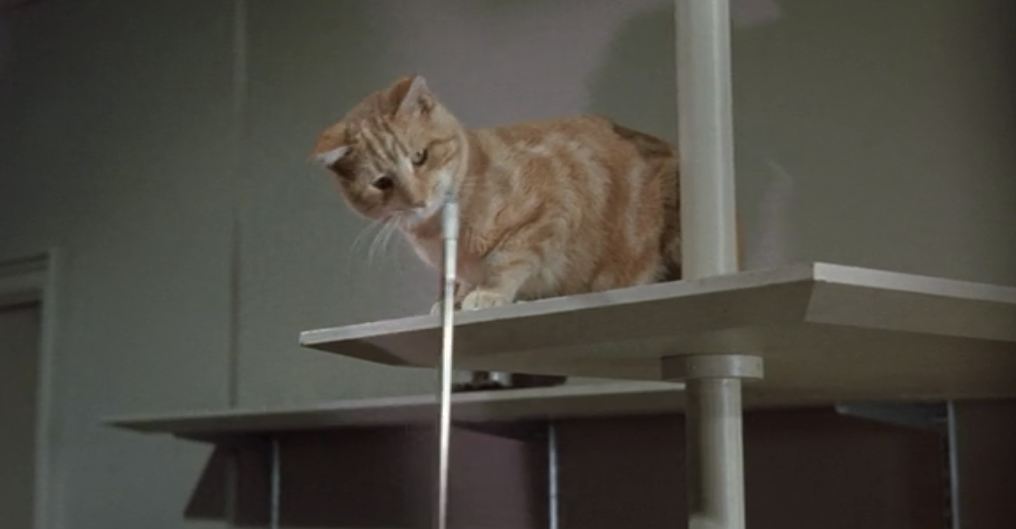
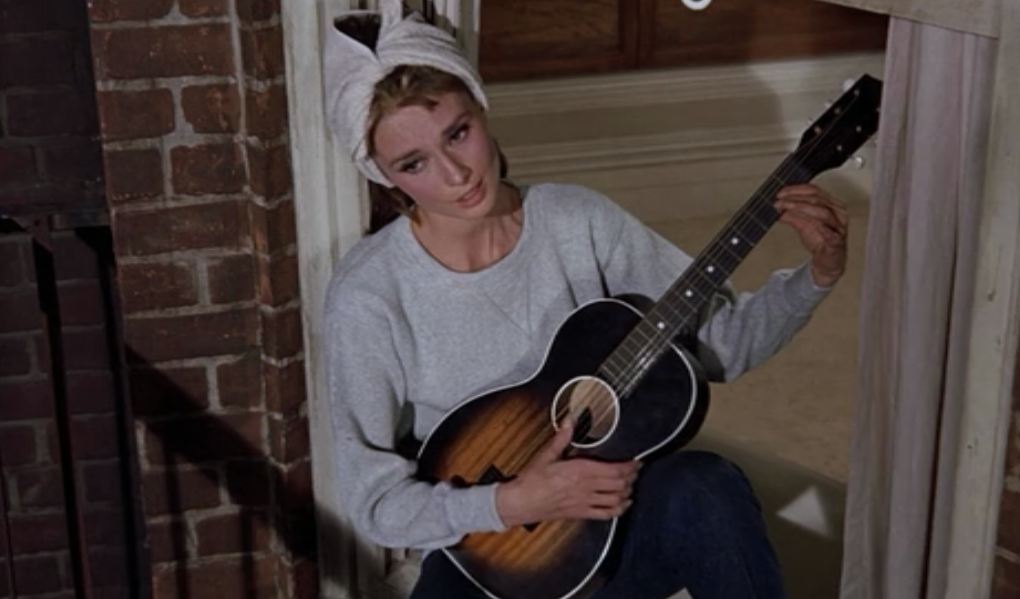
There are many things about Breakfast at Tiffany’s that have become iconic: the opening sequence of Holly eating pastry outside the window of the eponymous store, the little black Givenchy dress she wears (possibly the most well-known and influential piece of women’s clothing of the 20th century), her sunglasses and impossibly long cigarette holder, the irresistibly charming marmalade cat, and of course, Mancini and Johnny Mercer’s Oscar-winning song, “Moon River,” wistfully performed by Hepburn as she sits on the fire escape with a guitar; but by far the most iconic element of the film is Hepburn’s performance itself. As Holly- a role she reportedly found challenging due to her own natural shyness, in direct opposition of the character’s extroverted, impetuous and gleefully shocking behavior- she embodies the kooky, waifish image she came to represent, exuding intelligence, sweetness, exuberance, and, above all, elegance; and in the service of the character, she captures both the genuine delight she takes in her existence and a sense of the nagging fear and sadness that pursue her. She is, in the words of one character, a “real phony,” and one who is never, for a moment, unlikeable, even in her most selfish and spiteful moments- you somehow know that, before much time passes, her natural goodness will come shining back to the surface and all will be well. Capote wrote Holly Golightly with Marilyn Monroe in mind, but it’s hard to imagine anyone except Hepburn in the part; her work here established the persona for which she would be best remembered and set the tone for the characters she would play for the next decade. In short, it was one of those rare matches of actor and role that seem almost to be the result of divine intervention.

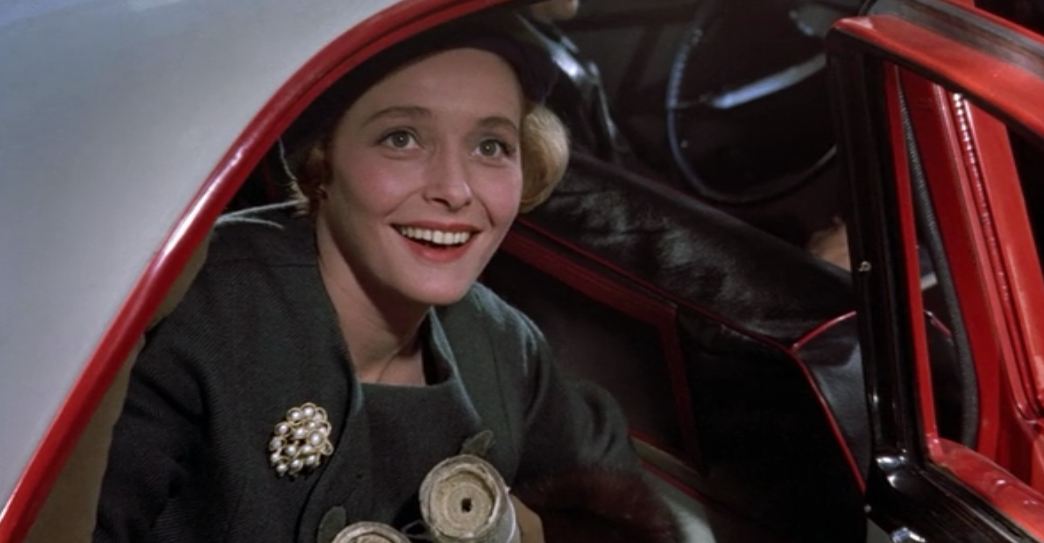
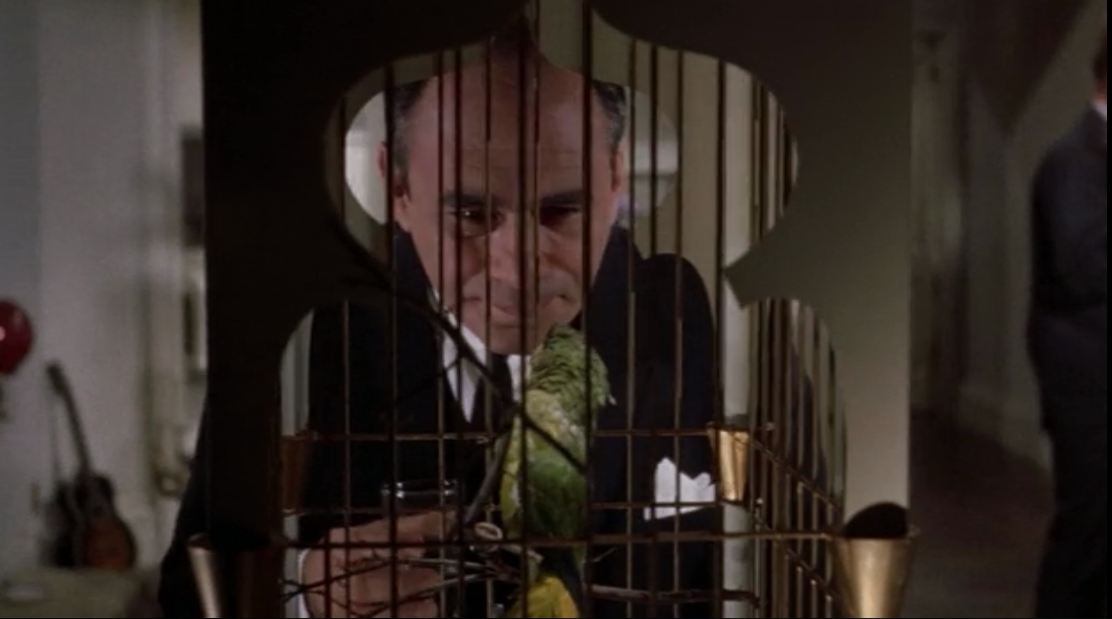
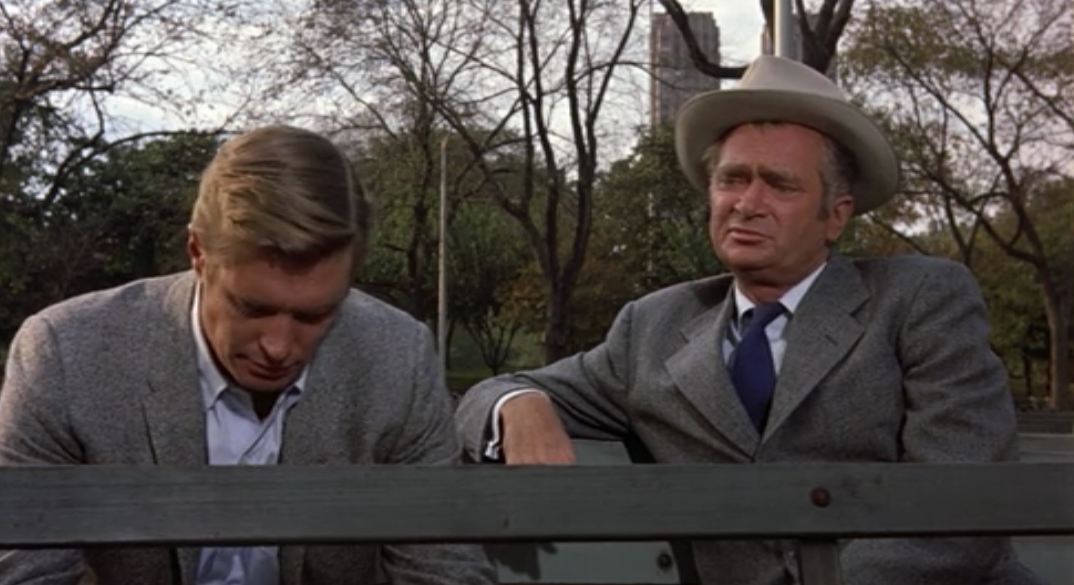
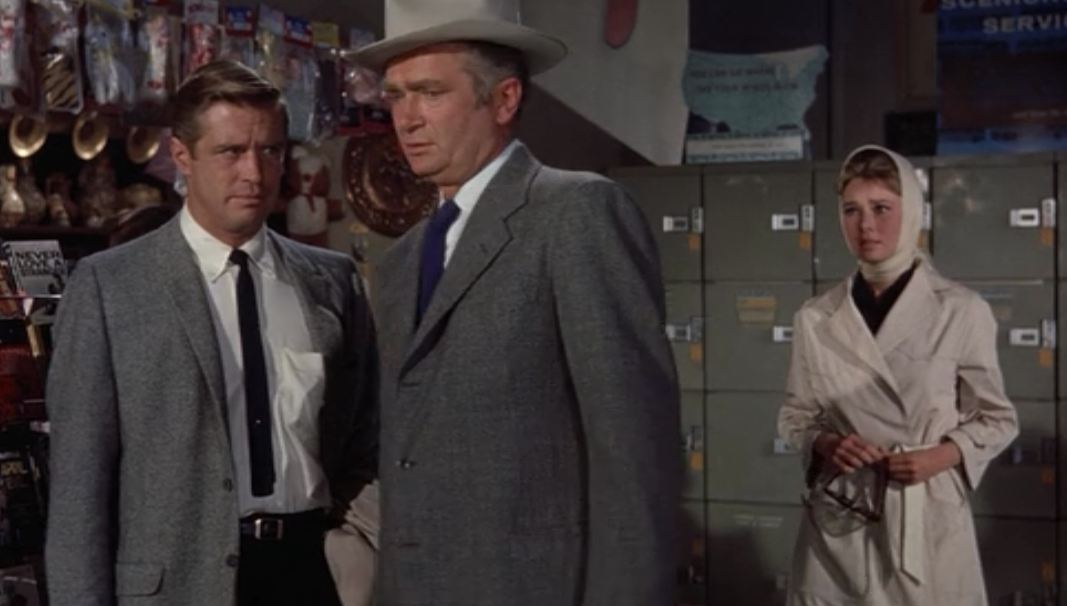
Breakfast at Tiffany’s is not a one-woman show, however, no matter how much it may sometimes feel like it: there are other actors here that deserve some credit for making it such a special film. Most obviously, of course, is George Peppard, giving perhaps his most memorable big-screen performance, as the smitten writer; he makes a good match for Hepburn, establishing an easy chemistry with her and making their too-good-to-be-true romance seem believable, as well as showing us his growth (thanks to Holly’s influence) from disillusioned self-loathing to determined self-confidence. As the wealthy married woman who “keeps” him, Patricia Neal gives us a necessary contrast to Hepburn, with a jaded frankness that feels far phonier than Holly’s good-natured pretension; and, in a turn that revitalized his career and led directly to his success on television’s The Beverly Hillbillies, Buddy Ebsen gives us a tender portrayal of Holly’s abandoned backwoods husband, who comes to the big city trying to reclaim the darling girl for whom he still carries a torch.

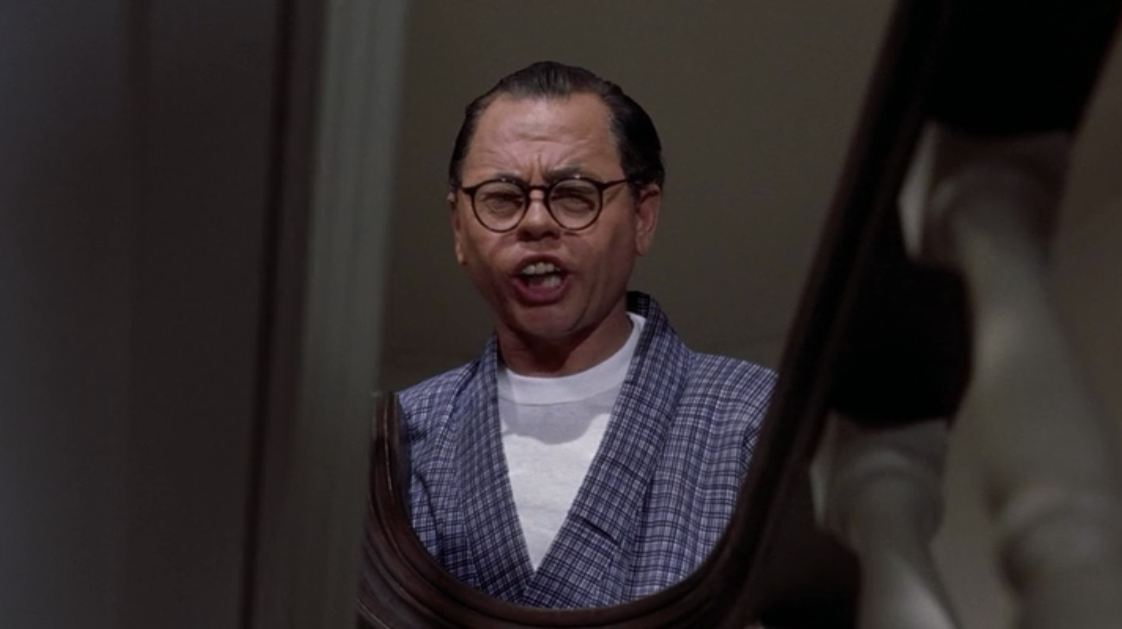
There is, of course, one ugly, distasteful flavor in this otherwise delicious confection. Any discussion of Breakfast at Tiffany’s, sadly, must include mention of the notorious presence of Hollywood veteran Mickey Rooney as Mr. Yunioshi, Holly’s long-suffering Japanese neighbor. The casting of a Caucasian actor in an Asian role, unfortunate as it may seem, was fairly standard practice at the time this film was made, and is not, in itself, so unforgivable; however, the clownish, offensively stereotyped performance given by Rooney, the result of director Edwards’ choice to make the character a source of wacky comedy relief, is so outrageously over-the-top that it was immediately branded inappropriate and racist even at the time of the movie’s release. Not helping matters is the ridiculous “yellowface” makeup worn by Rooney- including a cartoonish set of prosthetic buck teeth- that seems completely out of place in a film which is otherwise grounded in a fairly realistic- if romanticized- sensibility. For their part, all those involved in the decision to present the character in this manner- including Rooney, who insists he was playing it as directed- have apologized repeatedly and expressed their regret for making such an ill-considered choice; but, nevertheless, it remains as a nadir in Hollywood’s difficult history of racial insensitivity, and as a black mark on a film that is otherwise worthy of being considered a true gem.

Setting aside Mr. Yunioshi, there are other, less-disturbing quibbles which might be made about Breakfast at Tiffany’s, primarily by those who feel, perhaps rightly, that the re-invention of Capote’s narrative as a love story undermines its original intention as a slice-of-life remembrance in the vein of Christopher Isherwood’s Berlin Stories, not to mention converting it from a candid observation of human nature into a starry-eyed, feel-good Hollywood romance; but there’s enough of Capote’s worldly view in its screen incarnation to make sure that, in spite of its sweetness, it’s never syrupy, and his creative force is certainly preserved in the fullness of Holly Golightly, his own favorite of all his characters. It’s a testament to the power of his talent that we love her so much, and it is because we love her that we wish for her happiness. Let’s face it: there is something in us all that wants to believe in a dream-factory fantasy which permits two such flawed, potentially tragic people to come together and escape the tawdry reality of their world. By permitting Holly Golightly to finally make the jump, and allow herself to belong to another person (and a cat), the film version gives us hope and makes us strive for the happy ending in our own lives. After all, on some level, we are all “real phonies,” and it’s good to see one of our own find happiness.

http://www.imdb.com/title/tt0054698/
Snow White and the Huntsman (2012)

;

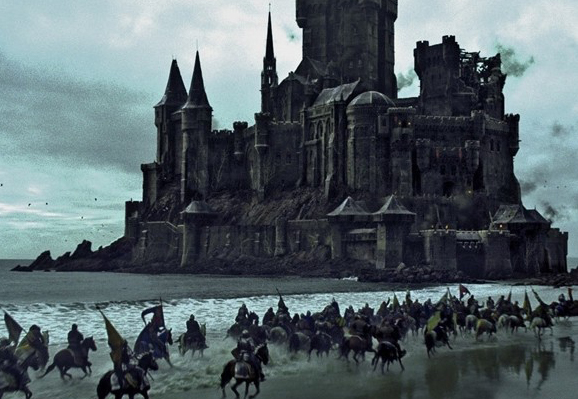
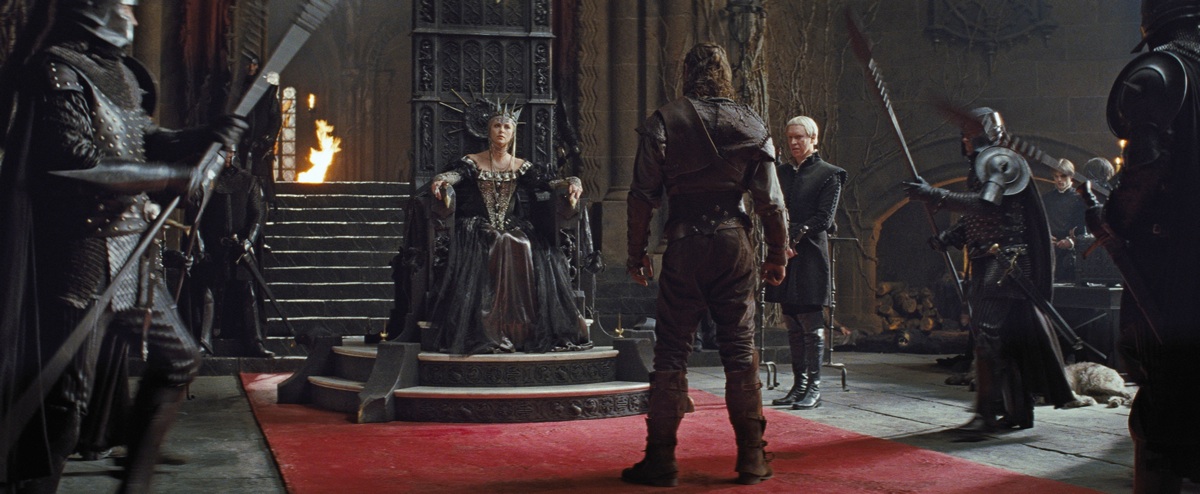
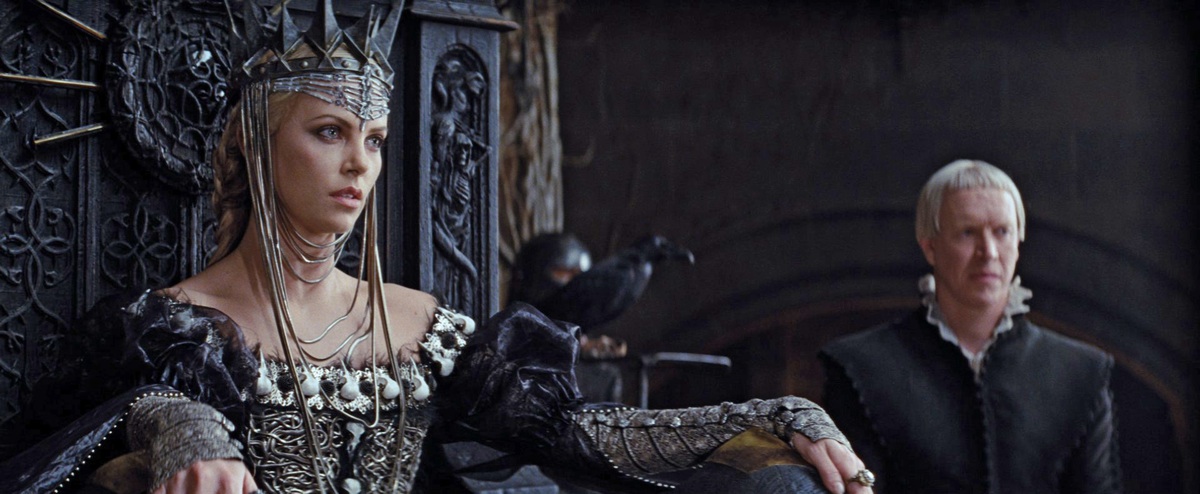
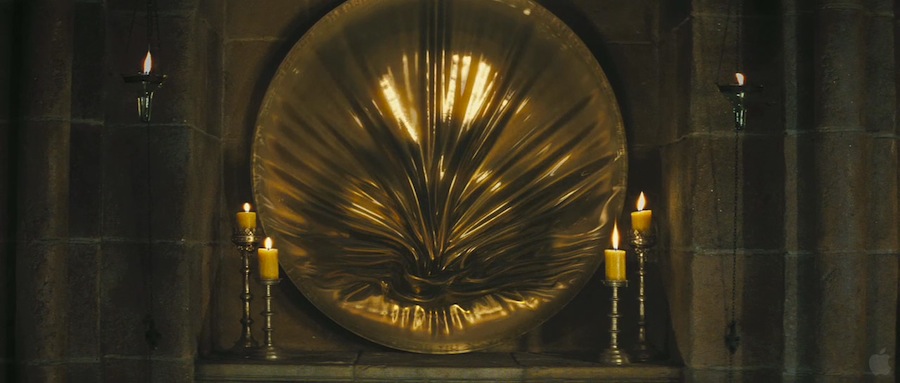
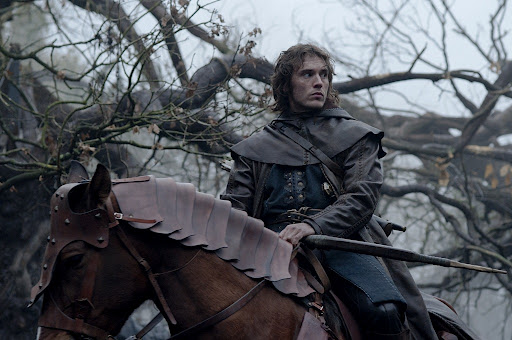
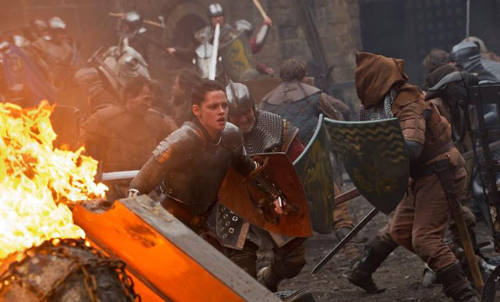
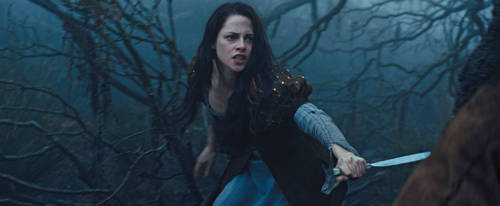
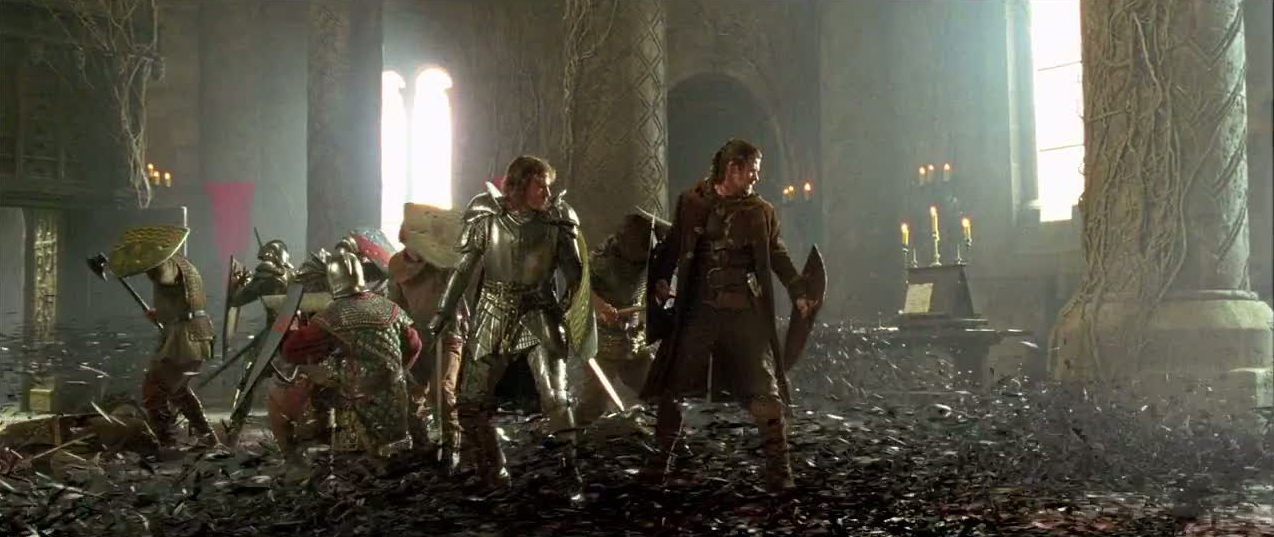
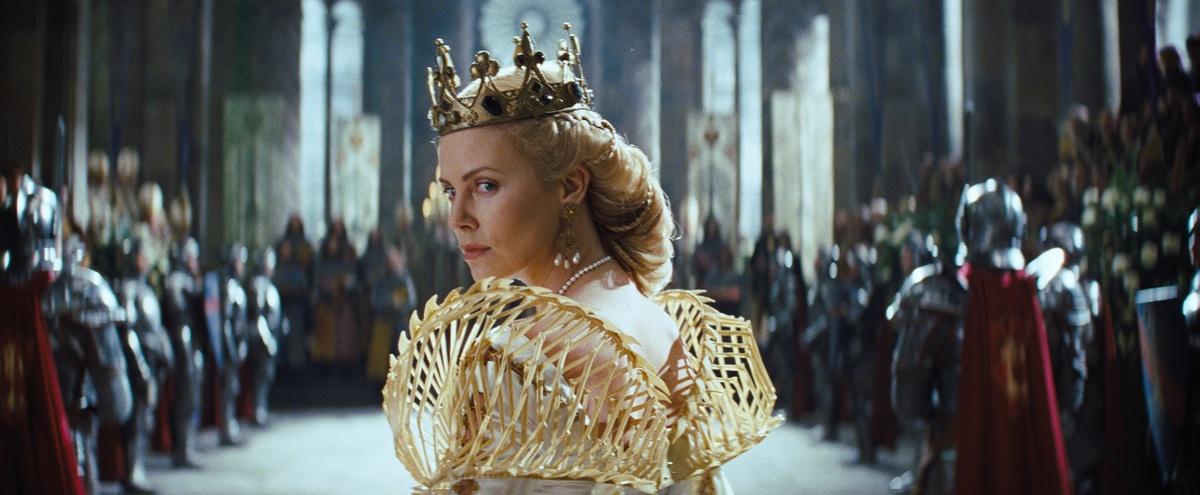
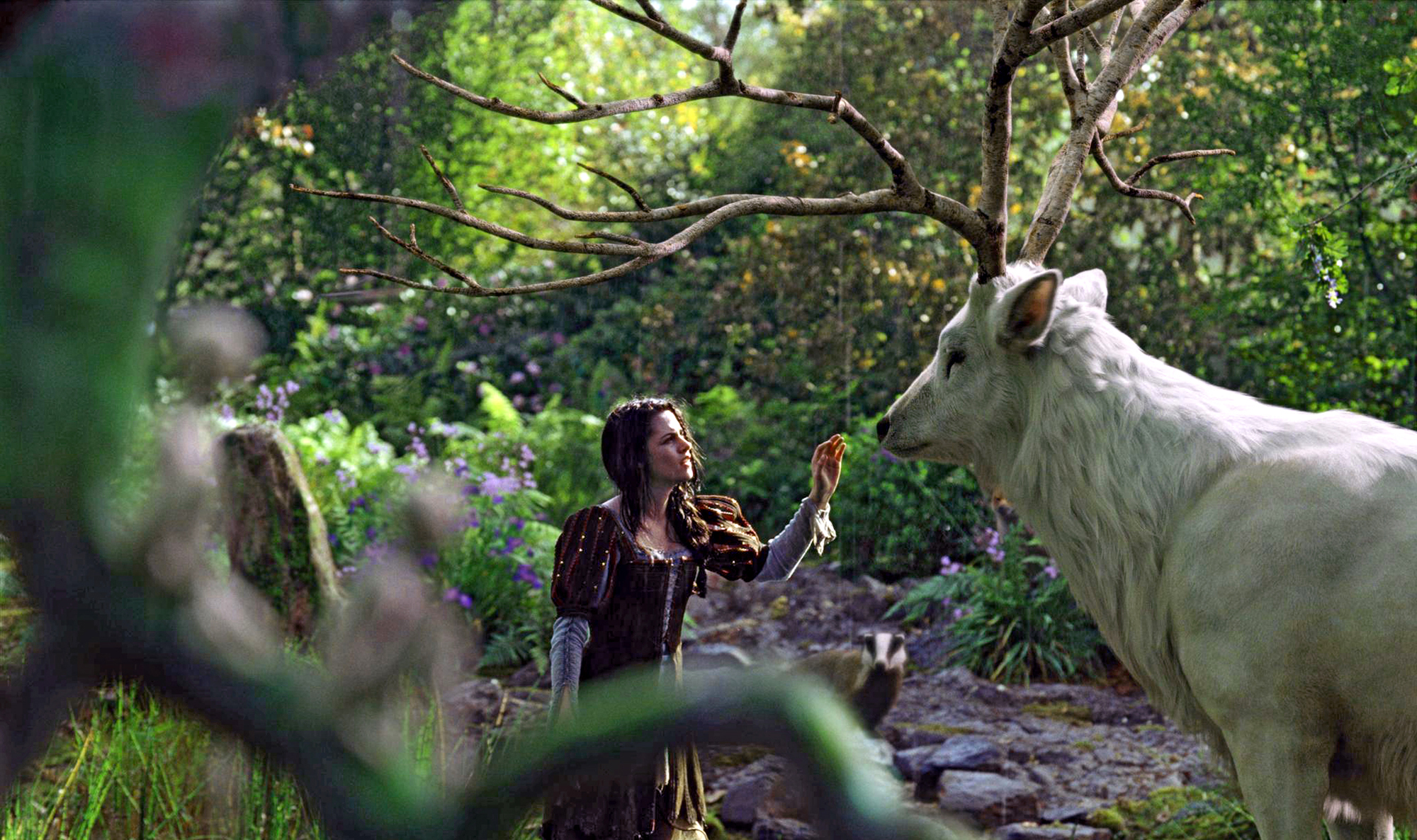
Today’s cinema adventure: Snow White and the Huntsman, a visually arresting 2012 feature that reinvents the classic fairy tale as a sword-and-sorcery fantasy with a message of female empowerment. In this version of the familiar story, the Queen is in fact a powerful sorceress who preserves her youth and beauty by draining the energy of young women, and the princess, foretold to be her undoing, is her prisoner; when Snow White escapes, the Queen sends a drunken wastrel to recapture her, but he instead becomes her protector and mentor, helping her to find the heroic force she needs to fulfill her destiny. The story is filled with great ideas, grafting elements of a medieval Arthurian-style quest saga into the Grimm Brothers’ original tale (with a dash of Shakespeare’s Macbeth), shedding insight on the origin and cause of the Queen’s wickedness and turning Snow White from a passive victim who must be validated and saved by a man (or seven) into a self-determining warrior princess who has the power to not only solve her own problems, but step into the traditionally male role of leader and bring the entire kingdom into harmony. Aiding considerably in the realization of these thematic twists is a stunning visual style that draws cinematic influence from Kurosawa and John Boorman’s Excalibur, coupled with a highly imaginative production design (under the supervision of Dominic Watkins) incorporating visual elements from the courtly romantic paintings of such artists as John Waterhouse and overflowing with the creative use of bird imagery. elemental contrasts, and the mystification of nature; of particular note are the costumes created by Colleen Atwood, especially for the Queen, and the magical CG artistry that brings life to the various fantastical settings and creatures- including the dwarfs, who are recognizable, full-scale actors rendered onto the necessarily diminutive bodies, a process that yields remarkable results but which also drew heavy protest and criticism for denying work to actual little people.

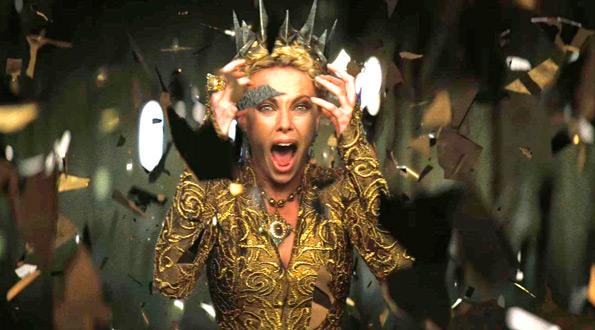
It would be nice to say that all this impressive conceptual and technical artistry was the basis for a great final product; but Snow White and the Huntsman, though passable enough as a lightweight summer diversion, fails to generate the kind of excitement and stimulation promised by its ambitious conceit. Director Rupert Sanders does a superb job of combining his various inspirations into a visual style (with the help of cinematographer Greig Frasier), but it seems hollow, lacking in the resonance and meaning required to elevate it beyond the level of a good imitation. The screenplay (by Evan Daugherty, John Lee Hancock, and Hossein Amini) fails to fully explore the possibilities suggested by the ingenious mash-up of sources at the base of their story, instead relying on familiar clichés and giving lip-service to the mythological principles inherent in the material, referencing the symbolic touchstones with all the conviction of marking off items on a checklist; the end result feels like a concept without a real direction, a meandering trip through a hodgepodge of mixed-up fantasy formulas that only pulls itself together into a resolution when it has run out of set-pieces. Likewise disappointing is the musical score by James Newton Howard, serviceable and predictable, providing the standard symphonic accompaniment heard in uncountable fantasy-adventure epics instead of taking advantage of the possibility to try something unorthodox. The acting isn’t horrible, though accents slip and mumbling abounds, but it isn’t really great, either: Charlize Theron, once again cast as a frosty bitch, manages to make us see the underlying pain of the Wicked Queen (which feels as perfunctory and inadequate as the rest of the unrealized story elements), but in the end she delivers a scenery-chewing performance that is, after all, just as over-the-top as we expect it to be; Kristen Stewart succeeds with the sweetness and vulnerability of Snow White, but somehow lacks the kind of strength to make a convincing transition into a force of destiny; Chris Hemsworth, as the roguish bad-boy who serves as secondary hero, comes off the worst, delivering a stilted, lumpish performance as a character that should provide the heart of the film. The rest of the cast all serve their purpose without surprise, providing us with the comfort of familiar stock characters instead of taking advantage of the chance to turn them inside out- a whole slew of missed opportunities in a film already over-filled with them.

That pretty much sums up the problems with Snow White and the Huntsman: despite offering a fresh perspective on its material, it’s a film which squanders its potential, offering new ideas and suggesting thought-provoking implications but delivering, in the end, just the same old Lord of the Rings-flavored conventions that make it so easy to dismiss the fantasy genre as fluff. Don’t get me wrong: I love Lord of the Rings; it’s an incredible piece of work that elevates fantasy to the level of deep, archetypal myth- but it’s already been done, and personally, the only other movie I want to see that feels just like it is the long-awaited version of The Hobbit which finds its way into theatres later this year. With Snow White and the Huntsman, I wanted something crisp and delicious, the exciting taste of a new hybrid flavor; but all this movie provides is yet another poisoned apple.

http://www.imdb.com/title/tt1735898/

Trainspotting (1996)

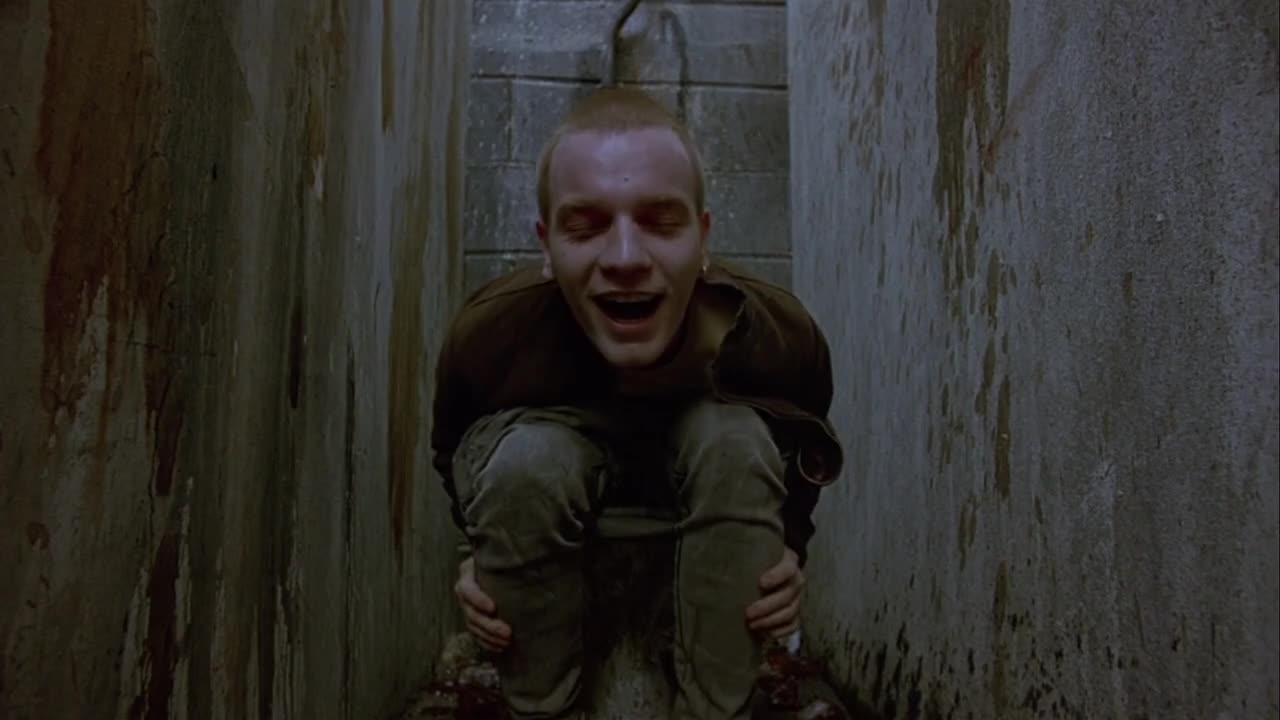
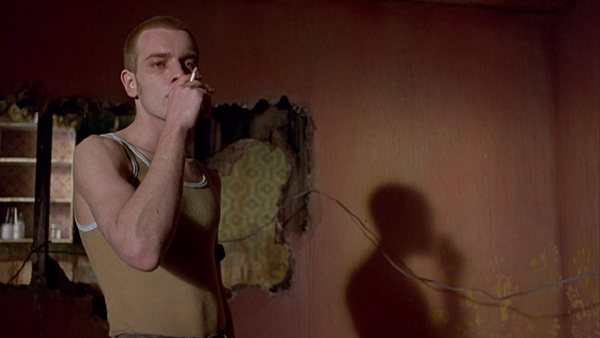
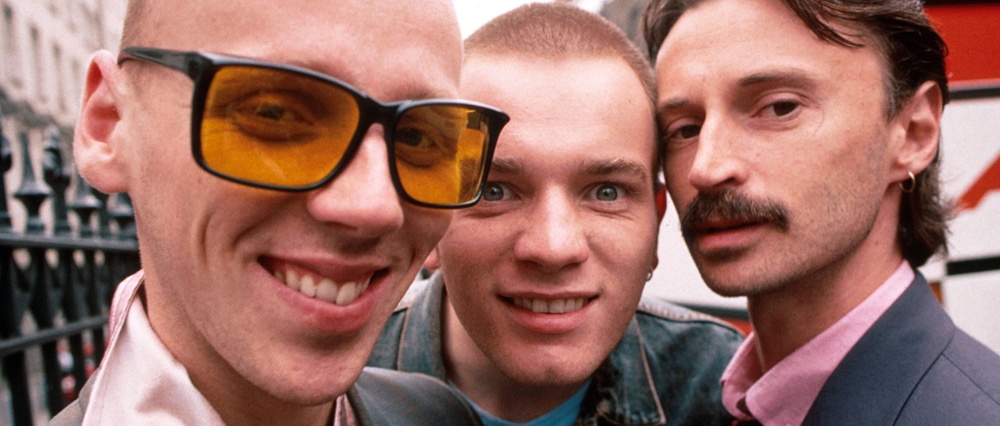
Today’s cinema adventure: Trainspotting, the 1996 breakthrough feature by future Oscar-winning director Danny Boyle, a harrowing portrait of working-class youth embracing the self-destruction of heroin addiction to escape the bleak environment of economically depressed Edinburgh. Combining the most imaginative elements of the theatrical and the cinematic, Boyle’s wildly youthful, energetic filmmaking- utilizing his now-trademark innovative visual style and edgy pop soundtrack choices- makes this highly acclaimed and popular slice of the squalid life into a treat for the eye and ear, an entertaining wild ride through a nightmare world that is ultimately as life-affirming as it is horrifying.  John Hodge’s screenplay, based on a novel by Irvine Welsh (who incidentally appears in a small role), tackles its subject without ever resorting to preachiness, instead presenting the degrading roller-coaster-existence of a drug addict as a progression of events, seen from the inside perspective, which illustrate the way their habit transforms a normal, mundane life into an surreal caricature; influenced by the “kitchen sink” and absurdist theatre styles which dominated the stage and screen dramas of mid-century Britain, Hodges grafts elements of both into an electrically contemporary milieu, undercutting the grim realism of the subject matter with ironic humor and a distinctly modern cynical edge, disarming the audience and allowing us to laugh even as we are being appalled- which gives the tragic moments the even greater impact that comes with surprise.  The young cast is uniformly superb, but the undisputed standout- and rightly so- is Ewan McGregor in his star-making performance as Renton, the central protagonist; his charisma and intensity are so powerful that he remains infinitely loveable- and believable- whether he is philosophically enduring the debasement of his addiction, gleefully pursuing criminal activity to support it, or resolutely dedicating himself to rise above his sordid background.

Listed by the British Film Institute as one of the top ten British films of all time and consistently named as one of the best films of the ’90s, Trainspotting is not for the squeamish or for those uncomfortable with moral ambiguity, and it should be said that the thick Scots dialect can be difficult to penetrate for the first 20 minutes or so; but the rewards of this vibrant, influential movie are well worth the patience and the effort for those who are up to it.  Boyle may have since surpassed his work on this early masterpiece, but for sheer audacity and unabashed youthful bravura, it still stands among the finest films of his career.

http://www.imdb.com/title/tt0117951

Velvet Goldmine (1998)

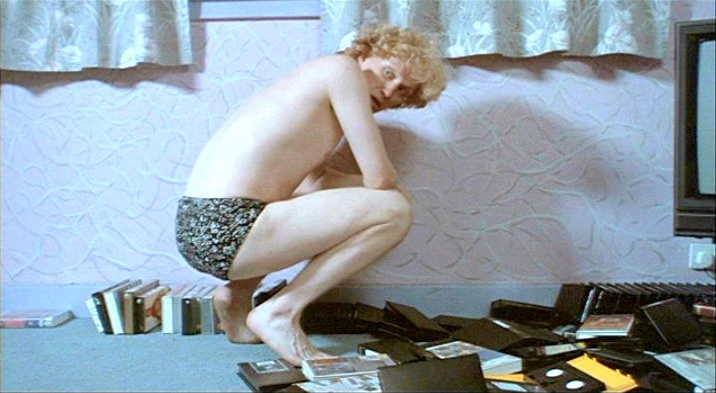
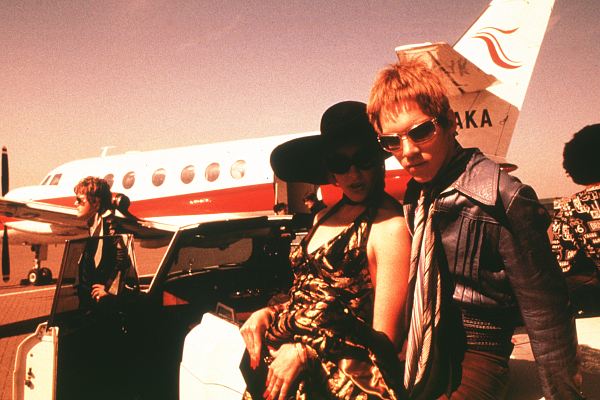
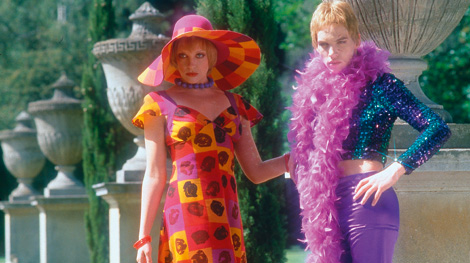
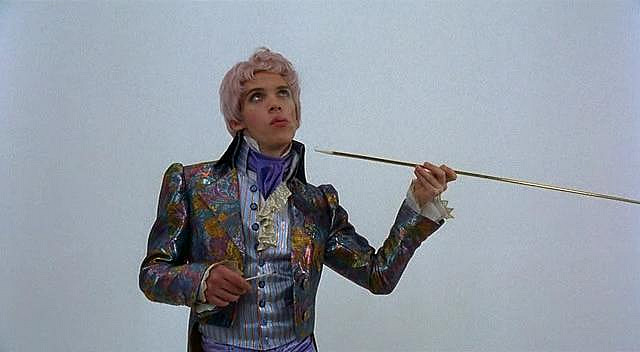
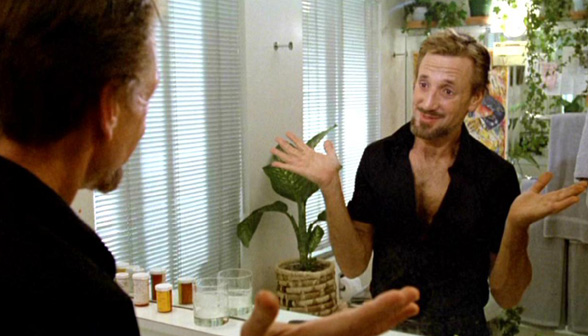
Today’s cinema adventure: Velvet Goldmine, Todd Haynes’ 1998 glam-rock fantasia with sexy, charismatic performances by Jonathan Rhys-Meyers, Ewan McGregor, and Christian Bale, a film that has gained a loyal and substantial cult following despite the poor reception it received upon its initial release. Boldly structured in the mold of Citizen Kane, it follows the attempts of a journalist to piece together the decade-old mystery surrounding a glam-rock superstar who unsuccessfully faked his own assassination before fading into obscurity. Interweaving scenes of the writer’s quest with flashbacks depicting the rise and fall of his enigmatic subject, Haynes’ film plays fast-and-loose (deliberately) with facts and fictionalizes significant real-life figures as it pays tribute to- and laments the fading of- the musical and cultural mini-era on which its focus lies. To this purpose, the film’s designers have crafted a dazzlingly surreal and authentic recreation of the English rock-and-roll scene in the early seventies, reconstructing the peculiar mix of tinsel, trash, and haute couture that defined the look of the period, as well as the darker, grittier eighties of the film’s parallel narrative. In particular, Sandy Powell’s superb costume designs succeed in capturing both the outrageous fashion of the rock-and-roll glitterati and the more subdued flavors worn by their less-glamorous followers and fans. The sparkling package is wrapped in the vivid cinematography of Maryse Alberti, which evokes the authentic photography of the day so completely there are times you swear you are looking at archival footage.

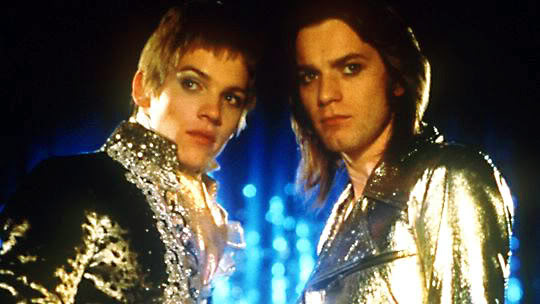
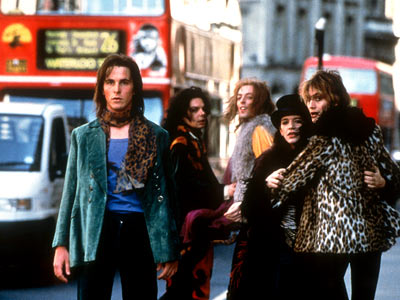
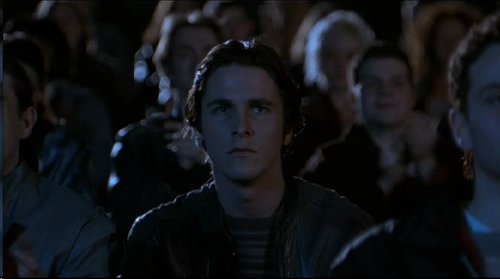
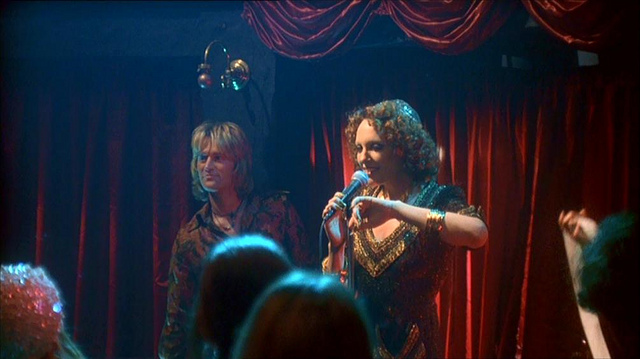
Inhabiting this time capsule world are several superb performers, each in the early stages of their highly successful respective careers. In the key role of Brian Slade is Jonathan Rhys-Meyers, who effectively embodies the ultimate glam rocker, channeling the spirit of David Bowie (on whom the character is heavily based, along with, to a smaller degree, Marc Bolan) and yet investing the performance with his own energy as well- cheeky yet vulnerable, jaded yet naïve, sexually charged yet romantic, he manifests the image of the androgynous bad boy while letting us see into the complex personality beneath it. He is matched by Ewan McGregor (as Slade’s collaborator and lover, Curt Wild- inspired in equal measure by Iggy Pop and Lou Reed), who likewise presents a convincing portrait of an archetypal glam figure- but a distinctly different one, rougher-edged yet ultimately, perhaps, deeper. The two performances complement each other like a dovetail joint, and both men are at their most impressive- and mesmerizing- when they are called upon to perform in the numerous musical sequences, pulling off the full rock star act with exuberant bravado and absolute confidence. In a less showy role- but no less superb- is Christian Bale, playing the journalist and former fan who is haunted by memories of his youthful involvement in the glam culture and of his personal connections to both the iconic stars in the history he is tracing; always a deeply compelling actor, Bale is effective throughout, but he is at his best as the rosy-cheeked youth of the flashbacks, riding the extremes of his adolescent emotions as he tentatively explores his own developing sexual and ideological identity and comes of age in a heady time of seemingly limitless possibilities. Toni Collette is both deliciously tawdry and surprisingly grounded as Slade’s wife Mandy, impressively evolving with the character in an arc that takes her from hippie muse to jaded has-been; and Eddie Izzard is appropriately loathsome as the oily manager who shepherds Slade into the world of rock-and-roll excess.

Despite the considerable strengths described above, however, Velvet Goldmine is not an unqualified success. Haynes is a gifted director, justly acclaimed for his ability to translate complex and esoteric themes into a compelling screen experience, but often criticized for failing to create a cohesive whole; his films often seem more interested in conjuring elemental forces than in using them to work toward a specific purpose. Of course, such a technique allows the audience to form their own personal conclusions; it’s an impressionistic style of filmmaking, and like other impressionistic art forms, it’s not to everyone’s taste. With this effort, his passion for the period and the attitudes it represented is very clear, and he succeeds admirably in approximating the glam milieu and bringing it to the screen. However, the formula he chooses to do so creates some problematic issues: the investigative drama which drives the plot seems a brilliant device for exploring this seminal period in contemporary pop culture, allowing him to explore the what made it such an appealing time for those who embraced its spirit and why its memory and influence linger today; however, the brooding, mournful tone of the mystery- as well as the deeply personal importance placed on discovering the answers by the film’s protagonist- suggest a weighty significance at the core of the nostalgic proceedings that somehow feels misplaced. To be sure, Haynes is presenting a document of a time in which a generation overflowed with the excitement of changing attitudes and the promise of freer personal expression, a time which was to morph all too soon into a glitzy, self-centered era in which shallow, self-destructive excess would take a heavy toll; the collective loss of innocence resulting from this social odyssey certainly spawned the kind of emotional wounds reflected by the characters in Velvet Goldmine, and the healing power of reconnecting with these cultural roots, of rediscovering the spirit that generated the whole process in the first place, is clearly a major part of the film’s intended effect. In these terms, Brian Slade provides the perfect metaphor: hungry for the freedom to be himself, whoever that may turn out to be, he soars into a fantasy world made real- only to eventually succumb to the lure of nihilistic hedonism, transforming his existence into an unsustainable nightmare from which he must eventually choose to escape or die. However, Slade is not an Everyman, not even a glorified one like Charles Foster Kane, and his experiences, though they may resemble a magnified version of those shared by many who participated in the glam sub-culture and the disco era which followed, ultimately seem more the consequence of individual character makeup than a reflection of some greater social phenomenon. More germane to the group experience, perhaps, is Bale’s journalist, burned by the broken promise of his youth and seeking a way to come to terms with the deep longings left unfulfilled; but the plot on which his redemption hinges, the conceit of uncovering the secrets of a former pop icon’s decline and fall, ultimately feels forced. After all, there is no mystery to be solved- the story to be told is so common as to be predictable- and in the end, there are no real answers to be found there, only an implausible plot twist and a phantom wound that will never stop itching. To make a resolution even less palpable, Haynes’ screenplay (from a story written by himself and James Lyons) wraps the plot about a man exploring an enigma in another, larger enigma: invoking the spirits of Oscar Wilde and Jean Genet, he introduces a mysterious, possibly extra-terrestrial gem which secretly links the characters and their histories to a long procession of pop superstars, suggesting that the cycle of fame is some sort of mystical cosmic reflex which affects our social evolution, and even hinting at the deliberate manipulation of our pop culture by an unseen and arcane outside force. Another apt metaphor, and an interesting proposition- one which seems borrowed from the handbook of glam-era theatricality as represented by such flights of fancy as Bowie’s Ziggy Stardust persona, a source of much inspiration to the events portrayed in the film- but in this case, perhaps, a needless complication in an already over-complicated mix.

Speaking of Ziggy Stardust, it seems necessary to also remark that the heavy fictionalization of the figures represented- which amounts to the creation of a sort of alternate glam universe- has been a point of considerable controversy surrounding Velvet Goldmine. Taking well-known real-life icons and re-inventing them for dramatic purposes is an acceptable tactic that goes back, no doubt, to the very beginning of story-telling; however, Haynes has here blended real events so completely into the soup that the result could be very confusing to those unfamiliar with the true history of those involved. Though Brian Slade is not David Bowie, he certainly feels like it; indeed, Bowie himself, initially involved in the project, pulled his support and the rights to use his songs after discovering that the script incorporated elements from unauthorized biographies by his former wife and others. To make matters even more confusing, mixed in with the original musical selections composed for the film are older songs by such glam-era artists as Roxy Music, T. Rex, and the New York Dolls, among others, performed by the fictional singers as if they were themselves the originators. Though I’m not one to quibble about adherence to historical accuracy- after all, my favorite movie is Lawrence of Arabia, and my love for Shakespeare is in no way affected by his fondness for rewriting history to suit his needs- in this case it seems appropriate to suggest that, before making any assumptions based on the recognizability of the figures on display in Velvet Goldmine, it would be wise to do some research and decipher who these characters really are (or, rather, really aren’t).

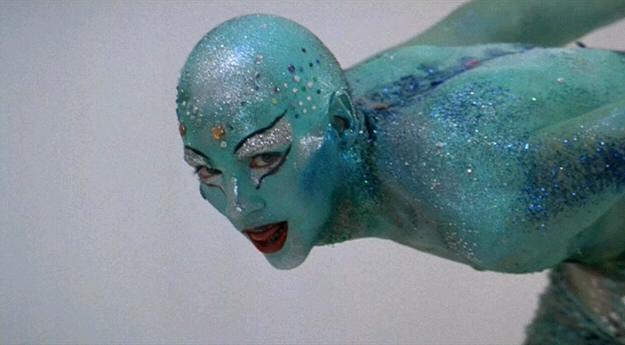
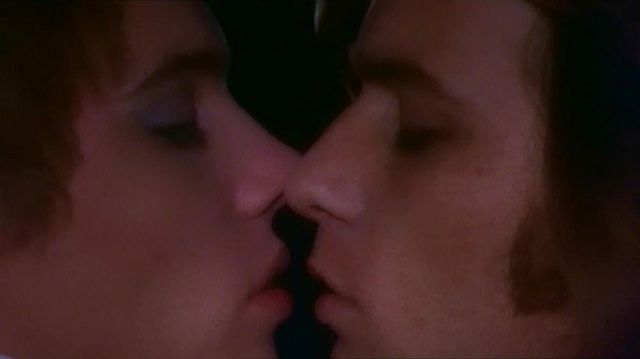
Nevertheless, Haynes’ film provides many pleasures: the aforementioned musical sequences, mounted with a gaudy theatrical flair that captures the glitter-rock essence to a tee, are the film’s best scenes, nostalgic yet freshly minted; and there are moments throughout that reach through the layers of conceit to grab at your heart-strings, electrifying touchstones that instantly transport you to the memory of some shared, universal experience- the yearning, impossible ache of a teen-aged Bale staring at homoerotic photos of his idols; the sharp humiliation of Collette’s Mandy Slade as she confronts her husband in the midst of his dehumanized, drugs-and-sex-saturated oblivion; the explosive, adrenaline-fueled vitality of McGregor’s first stage performance as Wild (in which, incidentally, he strips naked for his adoring audience). All in all, the exponential popularity of Velvet Goldmine is not surprising, nor is it undeserved: though it may leave us unsatisfied on some nameless level, and though it sometimes feels as though it takes itself far too seriously, its youthful exuberance and its visual perfection go a long way towards making up for its shortcomings; and even if it ultimately leads us to prefer and embrace the real-world history which it distorts for its desired effect, it seems fitting and desirable to find satisfaction in that which is real rather than in a glittery fantasy- and that, come to think of it, is perhaps the true message of Velvet Goldmine.


http://www.imdb.com/title/tt0120879/

Eyes Wide Open/Einayim Petukhoth (2009)

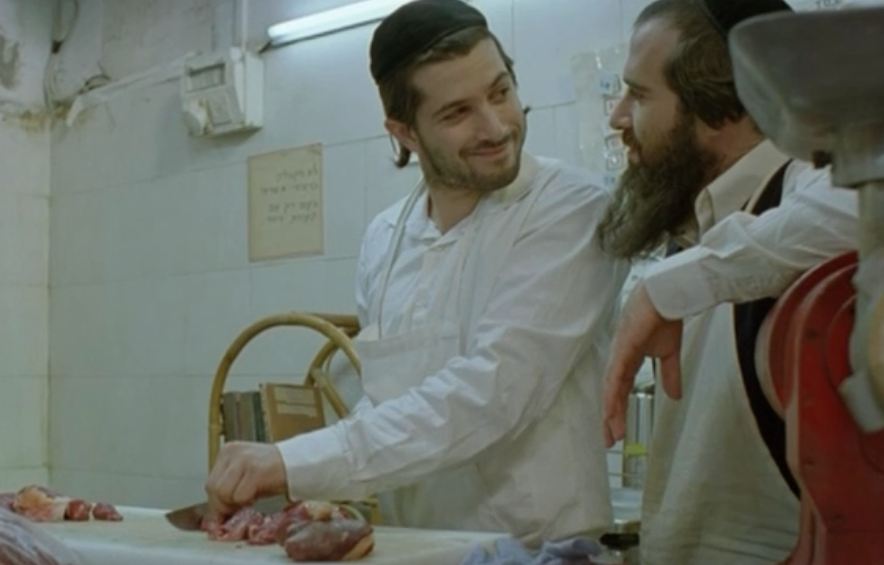
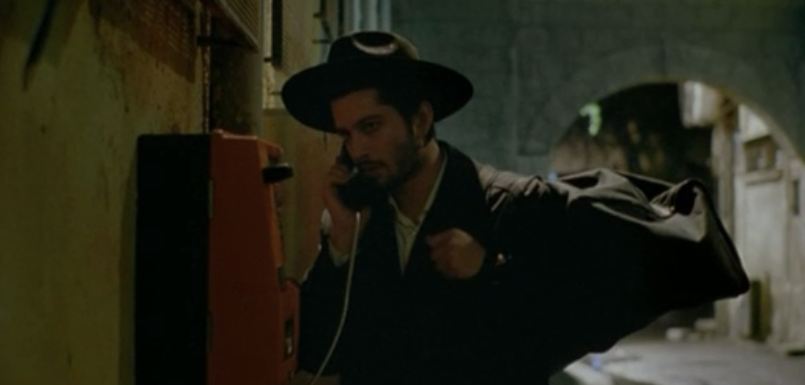
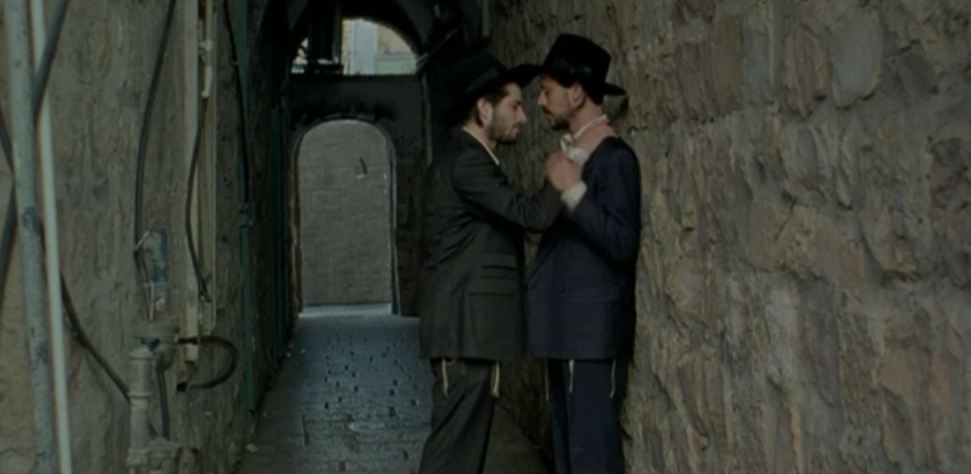
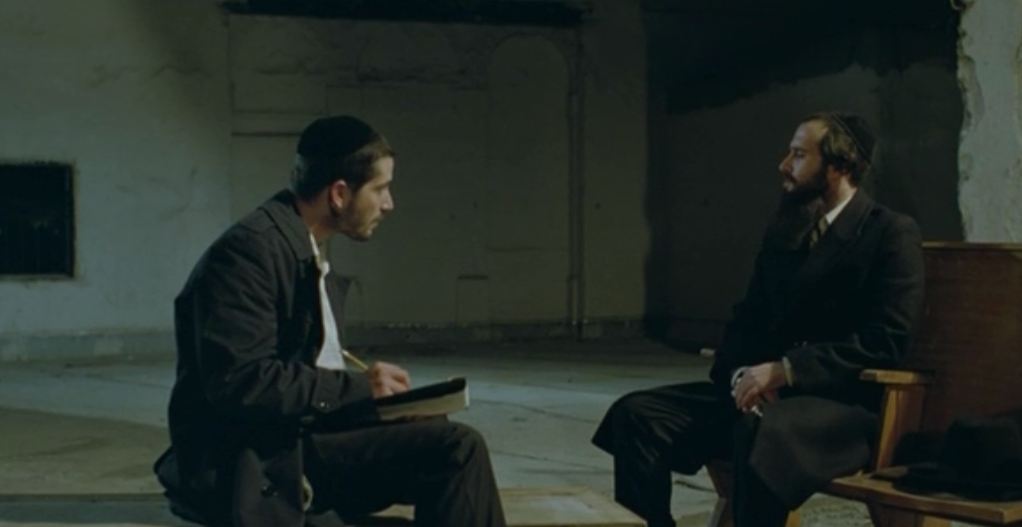
Today’s cinema adventure: Eyes Wide Open, a 2009 Hebrew-language film by first-time director Haim Tabakman depicting the spiritual and social conflict sparked by a blossoming homosexual relationship within a deeply Orthodox neighborhood of Jerusalem. One of the growing number of gay-and-lesbian-themed films to come out of Israel in recent years, it is the story of Aaron, a dedicated husband and father who inherits his father’s butcher shop; when he takes on a young homeless student as an apprentice, a forbidden attraction develops between them, eventually growing into an affair that tests his faith and threatens to cost him not only his beloved family but his place as a well-liked and respected member of the community as well. A film that treads on potentially dangerous, controversial ground, it handles its subject matter with respect for both the valued traditions of the Orthodox Jewish Church and the importance of fulfilling the needs of the heart; the screenplay by Merav Doster carefully constructs its narrative around the delicate issue at its center, choosing to offer up a chronicle of a man’s personal crisis of faith rather than an indictment of attitudes, and to focus on the honest examination of emotional experience instead of on the promotion of a particular agenda, treating its characters with sympathy regardless of which position they hold in the moral tug-of-war being staged. The result is thought-provoking without being inflammatory, moving without being manipulative, and reverent without being precious- a fine example of the kind of slice-of-life drama that achieves its goals simply by presenting its tale in a straightforward manner and allowing the viewer to make up their own mind about the issues raised within.

Despite the weighty social and spiritual matters being explored here, Eyes Wide Open is by no means an entirely solemn film. It manages to find many ways to lighten its tone, from the ironic and observational humor inherent in its situation to the more abstract metaphorical connections drawn from the large amount of meat its two main characters must handle throughout; and lest we forget it in all this talk of moral dilemmas and social obligations, this is first and foremost a romance- and a steamy one, at that. The passion between these two men is carefully crafted, building steadily from their first glimpse of each other, smoldering insistently as they grow closer and becoming stronger with each averted opportunity, until it finally explodes in a fervent love scene that is as joyful as it is erotic- and it is extremely erotic, despite (or perhaps because of) the fact that it is not visually explicit. The power of their connection does not end there, however, because the bond is not merely a sexual one; their emotional connection is built just as carefully, and it is this deeper feeling that makes their relationship so engaging and places the stakes so high. For in the end, it is the love they have for each other that turns Aaron’s life inside out, not the mere physical attraction that has brought them together; and it is the convincing portrayal of that love that keeps us invested, sharing with this illicit couple in their happiness and their heartbreak. The credit for this, of course, must go to the two actors who play them, Zoharr Strauss and Ran Danker, neither of whom, as far as I know, are gay offscreen- not that it matters. Both men are charismatic and instantly likable, and they each convey the depth and range of their roles with clarity. In particular, Strauss (who plays Aaron) does a superb job of allowing his inner landscape to show through a necessarily stoic exterior; his is the more complex role, requiring him to wrestle with a much wider range of conflicts than his younger counterpart, and he meets the challenge admirably. Which is not to say that Danker (an impossibly handsome young actor) is overshadowed or outdone; his Ezri is a portrait of a man who is resigned to the necessity of hiding his true nature, but is not ashamed of it- as he reveals in his intimate moments with Strauss when the veneer slides away and his passion and sensitivity shine through. Also delivering fine performances are Tinkerbell as Aaron’s patient wife, struggling with her growing suspicions and doing her best to fight, in her own small way, for her husband’s love; and Tzahi Grad as Aaron’s rabbi and friend, whose loyalty is stretched to its limit as he tries to maintain his support.

Director Tabakman wisely chooses to place the burden of telling the story on his actors, largely using stationary, long takes that permit an uninterrupted flow within the scenes; but he nevertheless brings his visual sense to the film with a keen eye for composing his frames, and he utilizes his Jerusalem setting- beautifully photographed by Axel Schneppat- to underscore the movie’s central conflict with the visual clash between the city’s ancient architecture and its contemporary, urban feel. His greatest accomplishment with Eyes Wide Open, however, is undoubtedly the way he allows it to deliver its full, cumulative effect without trying to tip the scales one way or the other. The scrupulous fairness with which he handles his subject is, in terms of artistic integrity, his greatest strength.

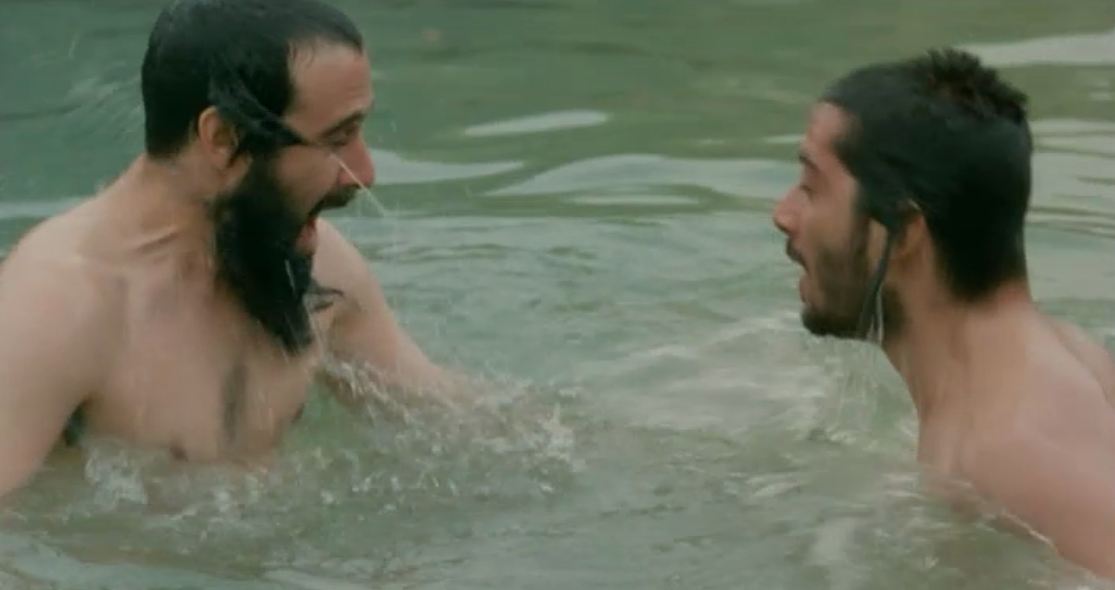
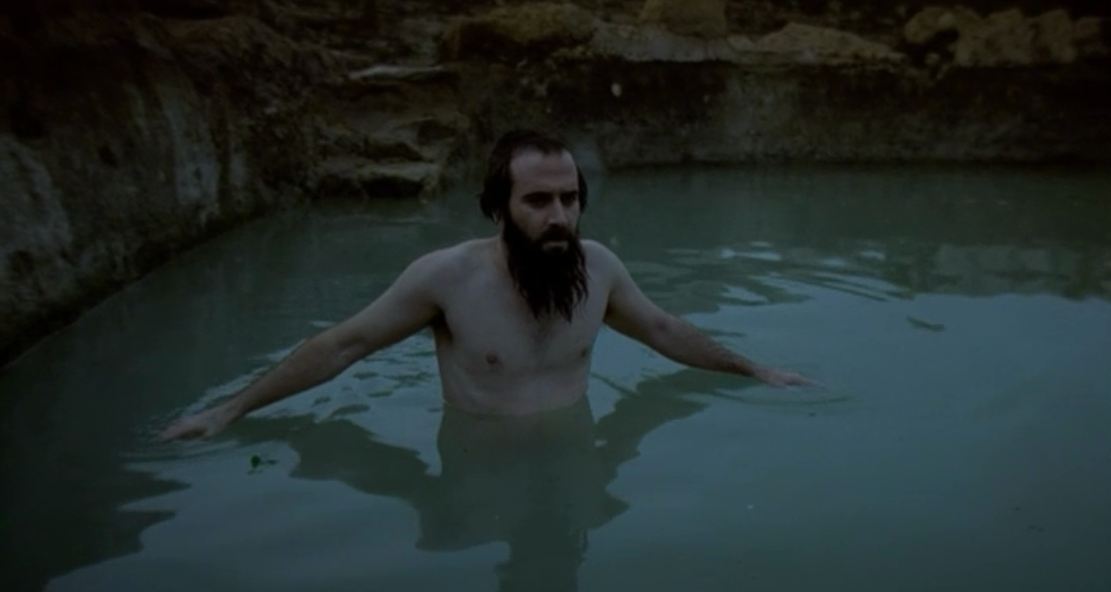
That fairness, however, also opens up the film to its greatest criticism. By refusing to overtly choose a side in this struggle between traditional religious doctrine and contemporary respect for individual freedom, the film risks interpretation as an anti-gay polemic. Certainly its treatment of homosexuality itself is beyond reproach, but so too is its sensitivity to the ancient mores of the Orthodox Hebrew culture; it is far too heavy and complicated a conflict to deserve glib or easy treatment, but those with a more progressive bent might wish for a stronger stance on the side of tolerance and equality. Personally, it is hard for me to characterize a film as anti-gay when it creates such sympathy for its homosexual characters and works so hard to generate hope from the audience for them to be together; and by virtue of exploring the conflict- which is clearly universal, for the setting could just as easily be in a heavily Christian or Muslim community- the film opens up the kind of thinking and discussion which can ultimately lead to positive change, whether socially or personally. Eyes Wide Open, however, is not a fantasy: in the end, Aaron must make a choice between holding on to the beliefs upon which he has built his life or abandoning everything he has ever known for the sake of his own happiness. The choice will not be a surprise to anyone who has paid attention to the struggle of this noble, upright man; and though one might wish that choice were a different one, how many of us would truly have the courage to make it? Still, in the film’s final moments, when Aaron is submerging himself in the waters of a cleansing spring he had once visited with Ezri, and he doesn’t come back up before the camera cuts to black, we cannot help but wonder how long he can hold his breath.

http://www.imdb.com/title/tt1424327/

An Englishman in New York (2009)

;

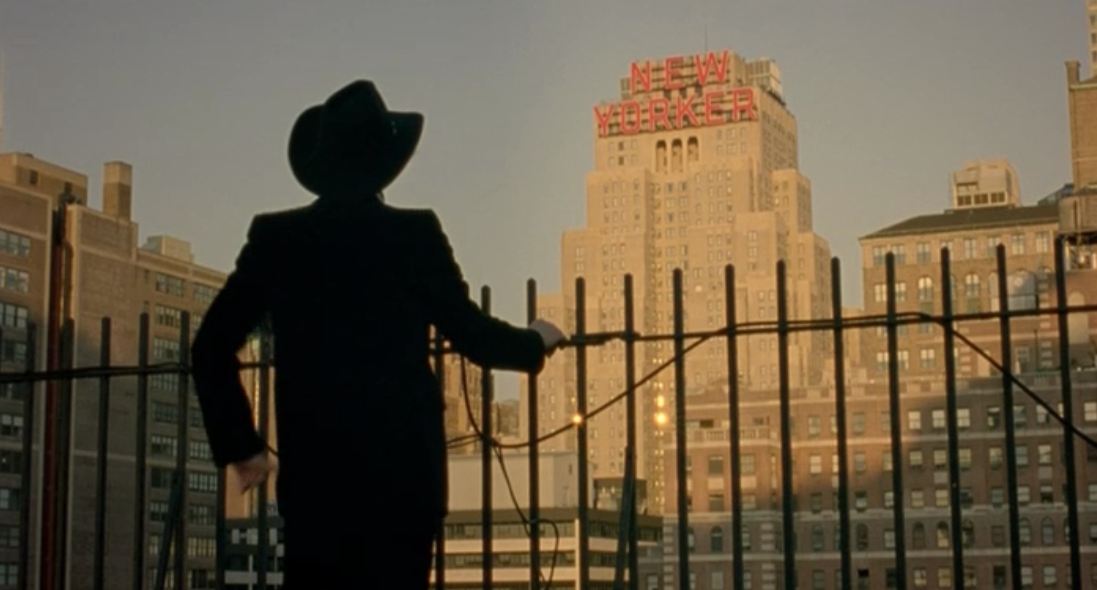
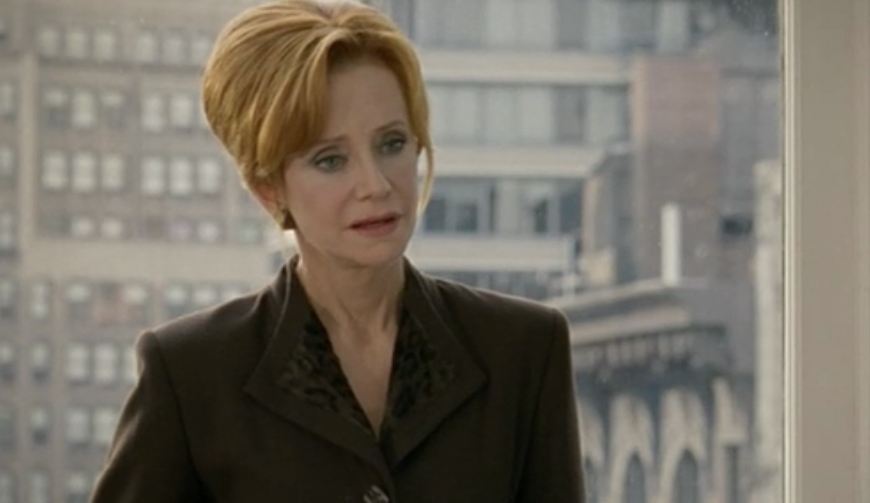
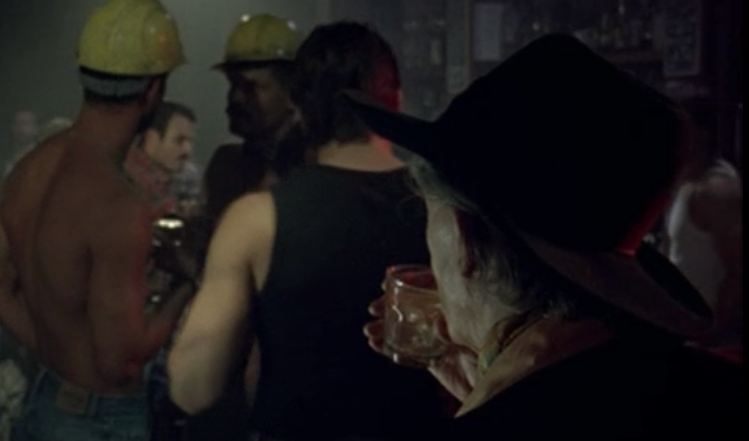
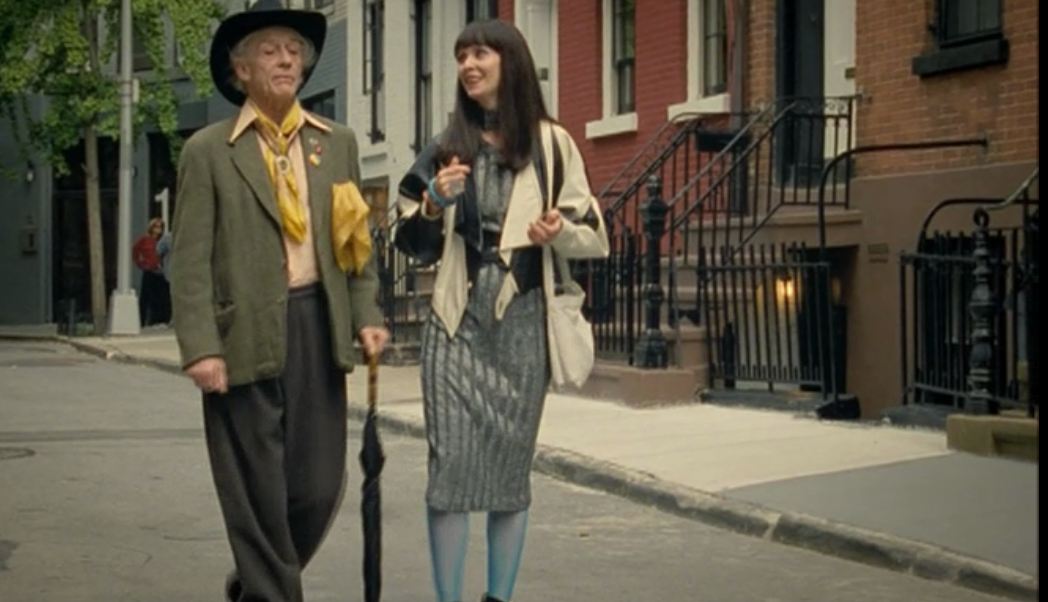
Today’s cinema adventure: An Englishman in New York, the 2009 British telefilm which marked the return of John Hurt to the role of noted real-life author/performer/raconteur/gay icon Quentin Crisp. A follow-up to the acclaimed1975 telefilm based on Crisp’s landmark memoir, The Naked Civil Servant, which made Hurt into a star and won him a BAFTA for Best Actor, this modest biopic covers the later years of the famous eccentric’s life, when he became a celebrated resident of Manhattan and a polarizing figure in the continuing struggle for gay rights. While Hurt maintains his customary brilliance in revisiting and expanding his legendary performance, this outing lacks the strong, central drive of the original film, which had the benefit of focusing on Crisp’s early struggle and triumph in asserting his homosexuality and his individuality in the repressive England of early 20th century. Part of the reason is likely that the first outing was built upon the solid ground of Crisp’s superb book, which portrayed his early life and experiences as a personal journey culminating in his courtroom victory blow against the antiquated morality laws which kept most English homosexuals fearfully cringing in the closet; but here, writer Brian Fillis attempts to encapsulate the remarkable life which followed those events into a 90 minute whirlwind, consolidating characters and contriving scenes in order to address key issues and events. To be sure, he has a cohesive purpose- the main focus here is Crisp’s fiercely guarded individuality, which put him at odds with the ongoing gay rights movement and often made him the object of exclusion within his own community (particularly after an infamous remark that AIDS was “a fad”)- and he does an admirable job of creating a portrait of a man who is forced into continuing growth in spite of himself; but the end result is considerably less satisfying than Civil Servant and leaves us wondering about many of the blank spots in between. Nevertheless, there are many reasons to admire this belated sequel, not the least of which is the rich background of late-century New York scenery lending an authentic documentary feel to the proceedings. By far, however, the greatest joy here is the magnificent performance of John Hurt, who once again captures to perfection the physical and vocal character of this legendary figure while simultaneously conveying the depth of emotion and experience which lies beneath that flamboyant exterior; in Hurt’s hands, the affectations of dress and manner become (as they were in real life) an expression of Crisp’s true self rather than a costume proclaiming his refusal to conform. Nevertheless, in spite of the more obvious success of his characterization, it is in the more intimate moments when Hurt’s brilliance as an actor really shines through- his weathered face and soulful eyes wordlessly express volumes, whether he is confronting the thoughtless prejudice of younger gay men or his own mortality. Supporting him are an array of established character actors- Dennis O’Hare, Swoosie Kurtz, Cynthia Nixon- who are never quite allowed to rise above the constraints of the condensed format, although Jonathan Tucker has some nice moments as artist Patrick Angus, whose work was championed into success by Crisp. Overall, though its hard to call An Englishman in New York a worthy successor to the still-lauded Civil Servant, it offers many rewards in its own right; and though it may ultimately contain less insight into Quentin Crisp than the Sting-penned song from which it takes its title, it is still a fitting and necessary epilogue to the story of a man who changed the world by refusing to change himself.

;

http://www.imdb.com/title/tt0997057/

;

The Cabinet of Dr. Caligari/Das Cabinet des Dr. Caligari (1920)

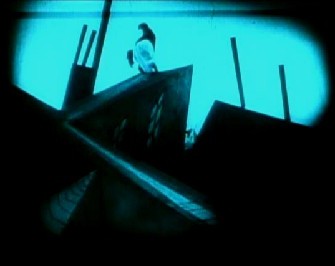
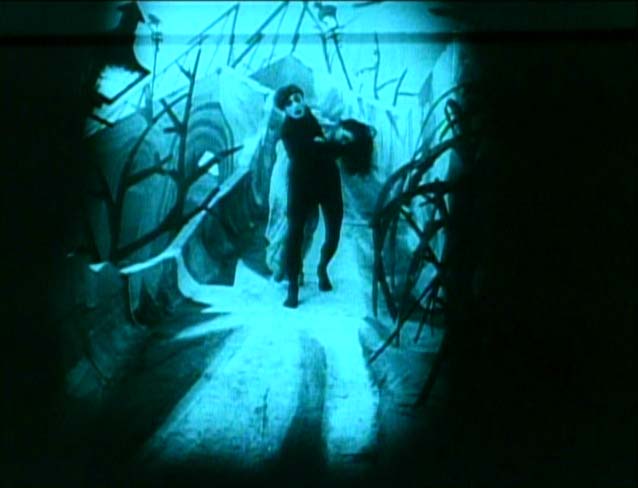
Today’s cinema adventure: The Cabinet of Dr. Caligari, the 1920 cinema cornerstone that established enduring conventions for the horror genre- indeed for cinema itself- and for the general public at least, has become one of the most recognizable representations of the German Expressionist movement.  A bizarre tale about a mysterious carnival magician whose hypnotized slave commits a series of murders at his bidding, this landmark film was first conceived by its writers, Hans Janowitz and Carl Mayer, as a way to demonstrate the effectiveness of film as a medium for Expressionist art, and also to establish a definitive look for German cinema that would distinguish it from the growing influx of American movies to their country. The resulting work is one of the most distinctive visual experiences ever produced, featuring wildly distorted scenery (abstract, asymmetrical sets with sharp, jagged lines, obvious and elaborately theatrical backdrops with painted-on shadows) highly dramatic lighting, and a heightened acting style that seems exaggerated even compared with other silent films of the time; it was an experiment which only took place because the writers persuaded producer Erich Pommer that making the film in this style would save considerable amounts of money.  These creative pioneers- including director Robert Weine, who was brought on board when rising wunderkind Fritz Lang was unavailable- believed that their bold new approach would change the art form forever; however, though Dr. Caligari met with enthusiastic response from audiences and critics alike, and stirred much excitement in the world’s blossoming film community, it failed to lead the industry away from the more mundanely representational style in which it remains more-or-less grounded to this day.

This is not to say that the film had no bearing on the future of cinema.  Its visual conceits and thematic elements have provided immeasurable inspiration for filmmakers from F.W. Murnau to Tim Burton and beyond. Its macabre tone and gruesome content influenced not only the future of the horror genre but the entire film noir movement as well.  It set the precedent for using cinematic embellishment to suggest altered states of consciousness: virtually every film depicting dreams, delusions, or drug-induced hallucinations can trace its heritage back here.  Most important of all, perhaps, was its establishment of numerous structural conventions that have been in continuous use ever since: by constructing its grim story as the remembrance of a young man who is ultimately revealed to be a delusional patient in a mental hospital, Dr. Caligari became the first film to feature a framing device bookending its main narrative, to rely on an unreliable narrator, and to surprise its audience with a twist ending.  None of this is to say that later filmmakers could not have made these innovations on their own- but Caligari went there first.

All this film class trivia is well and good, but how does The Cabinet of Dr. Caligari  hold up today for the casual viewer simply seeking entertainment?  Probably not well: the world is a much different place than it was in 1920, and we have been inundated with stories and images much more shocking and terrifying than those in this film- which, ironically, opened the door for all of them.  The conventions of fiction observed within it seem quaint and unsophisticated by our jaded modern standards, and the performances, with their jerky, unnatural physicality and their often-seemingly-inappropriate facial expressions (to say nothing of their histrionic, over-the-top style) seem unconvincing and inaccessible to us.  To top it off, its outrageously artificial visual style is so alien and disconcerting that it only serves to distance us further from the events onscreen, ensuring that we will never become viscerally engaged in the proceedings.  Of course, it’s true that these qualities were present even when Dr. Caligari was made- deliberately included as part of the Expressionist form intended and carefully crafted by its creators- but historical context has no bearing on our contemporary requirements for suspension of disbelief.

Before concluding, however, that Caligari has no value for any modern viewer who is not a film buff or an art enthusiast, it might be wise to look past the obvious sensibility gaps created by its distance from us in time.  It was never meant to be a purely escapist experience, even when it was conceived nearly a century ago; rather, it was- and is- a vivid and fully realized vehicle for Expressionist themes such as paranoia and the unreliability of perception, and an impressive presentation of the movement’s distinct visual style, comprised of crude, primal imagery that works on the subconscious to elicit a strong emotional response.  Its effectiveness is even keener in its restored form, which not only returns sharpness and luster to the once-faded print but also recreates the original hand-tinted colors, helping to clarify the story by differentiating day from night, and polishing up the intertitles with a font and style coordinated with the bizarre content of the story they tell.  A viewing of Dr. Caligari is hallucinogenic enough on a small screen, and though I’ve never had the opportunity to do so, I suspect that seeing it projected larger than life in a darkened theatre would be akin to experiencing a full dream state.

It’s also worth mentioning that although the stylized acting is hard to assess fairly from a standard modern perspective, Werner Kraus and Lil Dagover, as the mad magician and tragic damsel, respectively, have become iconic as personified archetypes of the collective consciousness; and as Cesare, the tormented somnambulist, Conrad Veidt is electrifying, using his remarkable physical skills and his expressive face to transcend both genre and style, and delivering perhaps the first truly great film performance- one which continues to inspire and influence actors to this day.

So although The Cabinet of Dr. Caligari may not offer the kinds of thrills and chills sought by the average viewer looking for a lively horror film, it certainly offers many other rewards.  There are good reasons why it has been celebrated, emulated, re-invented, re-adapted, saluted and parodied so many times over the decades; it is part of our cultural makeup, and if that is enough to get you to watch it, you may find yourself enjoying its twisted pleasures in ways you never expected.

 http://www.imdb.com/title/tt0010323/

Beginners (2011)

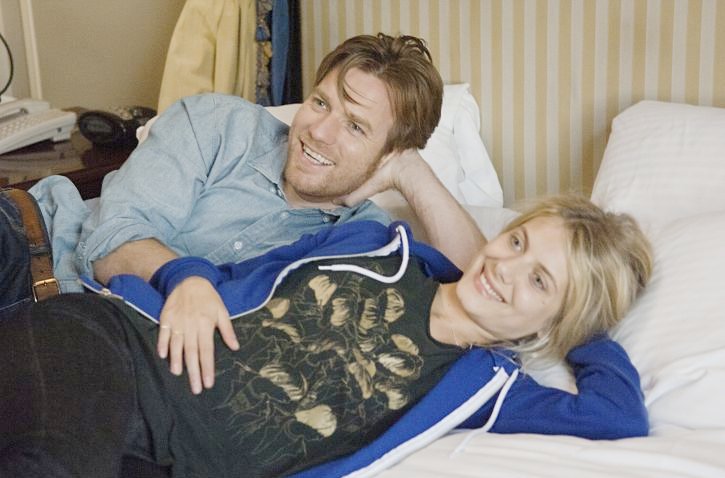
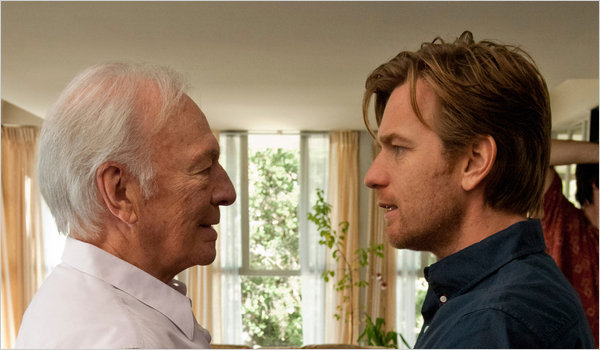
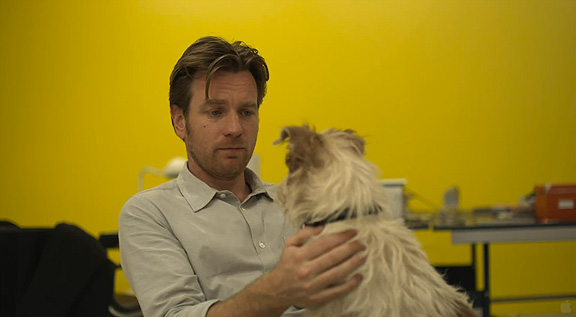
Today’s cinema adventure: Beginners, the 2011 romantic comedy/drama which garnered nearly universal critical acclaim and won multiple accolades and awards (including an Oscar) for supporting actor Christopher Plummer.  Heavily interweaving his narrative with flashbacks, filmmaker Mike Mills documents the efforts of Oliver, an L.A. graphic artist, to reconcile the memories of his childhood (and his grief over the recent death of his father) as he takes the tentative first steps towards a relationship with a young French actress.  Laced with clever, quirky humor, defying stereotypes and expectations at every turn, the film not only engages us with its charming story and likable characters but invites us to ponder the experiences of our own lives and our collective history, and how they provide us with the knowledge we need to grow and the foundation upon which to build a future beyond them.  Mills’ direction (from his own semi-autobiographical screenplay) is superb, moving the film freely between past and present, using its protagonist’s art to provide commentary and draw connections, and offering a wealth of “snapshot moments” which convey volumes about the characters and their lives without the need for extensive dialogue or exposition.  The filmmaker’s efforts would be pointless, however, if not for the superb cast, headed by the ever-lovable Ewan McGregor, giving a heart-breaking performance that manages to convey his character’s deep sadness without ever making him into a downer.  Melanie Laurent is equally effective as his new love interest- who is coping with parental issues of her own- and she, too, succeeds in maintaining both an attractive charm and a melancholy core.  But the most outstanding player here is Plummer, portraying Oliver’s father, a 75-year old man who comes out as gay following his wife’s death and embraces a new life, lived to the fullest, even as he faces his own terminal cancer.  This veteran actor is magnificent to watch as he captures the full spectrum of humanity, from the child-like glee he finds in exploring a world of which he has always dreamed to the dignity he maintains as he succumbs to the humiliation of his disease.  Fully deserving of all the accolades, it’s a performance that provides the strongest- but by no means the only- reason to see the film.  Los Angeles locals will also enjoy the Silverlake settings, lovingly captured by cinematographer Kasper Tuxen, which help to set the tone of Beginners– hip and quirky, but possessed with a keen awareness and respect for the past.  Mills’ film isn’t perfect: some would quibble that it borders on being overly precious, or that the characters’ troubles seem based on self-centered over-thinking and an arrested emotional development resulting from their insulated lifestyle.  However, this is a film about moving forward, about setting aside the emotional baggage of an imperfect past- while still honoring it- and finding the courage to face the challenges of an uncertain future.  In short, it’s a film about change, and therefore a film about fear- the kind of deeply personal fear which can make us all feel like children, no matter our age or background, and therefore cause our thinking and our behavior to seem immature from an outside standpoint.  Maturity comes with taking the leap towards something new, despite these deeply conditioned anxieties, and that is what each of the three principal characters in Beginners must do.  Frankly, I think it’s remarkable that a film addressing such a real and primal fear, and pervaded by such a tone of  bittersweet melancholy, can leave us feeling so charmed- perhaps that’s due to the fact that, above all, Beginners is a film about love, and given their emotional handicaps, if these people can make it work (and whether or not they can is by no means certain), then the rest of us can live in hope that we can, too.

http://www.imdb.com/title/tt1532503/

All That Jazz (1979)

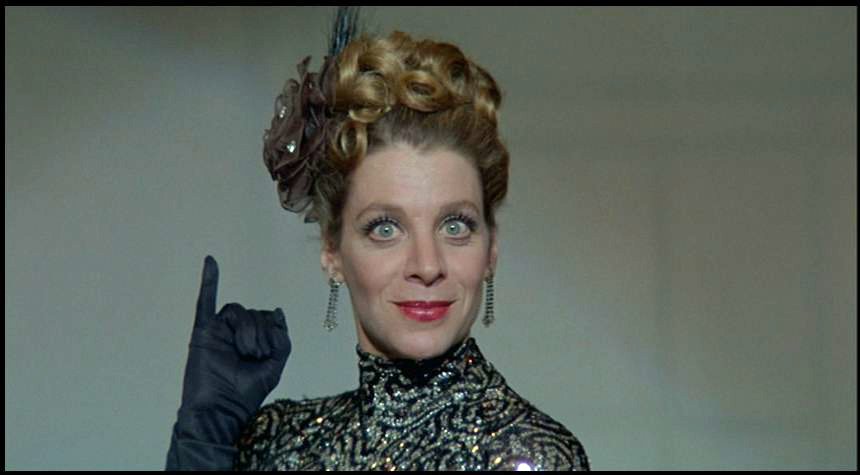
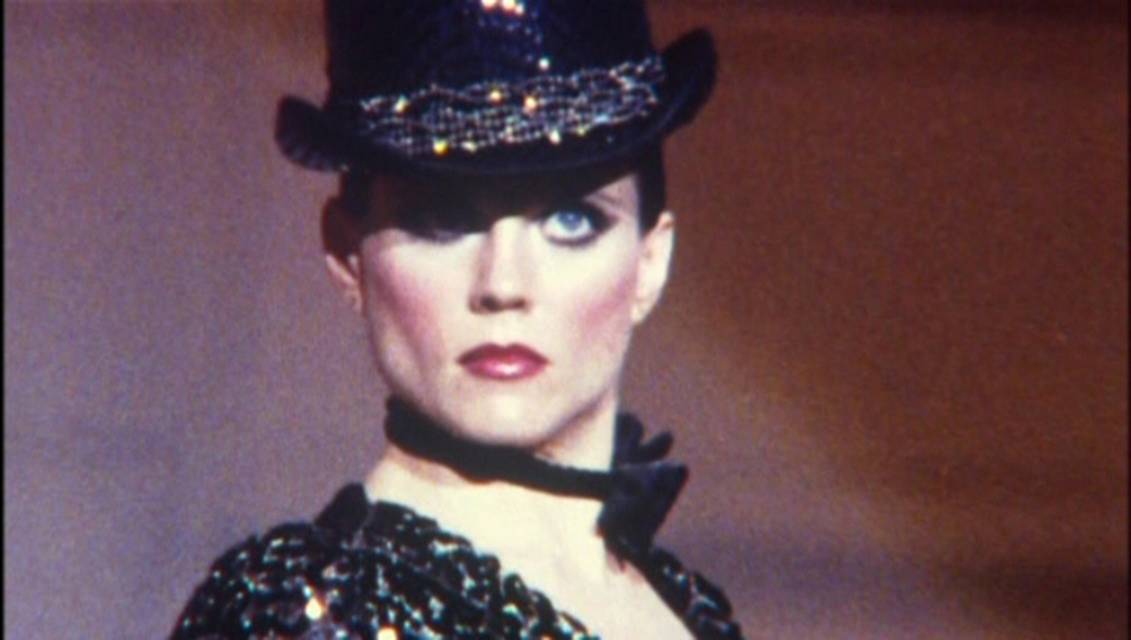
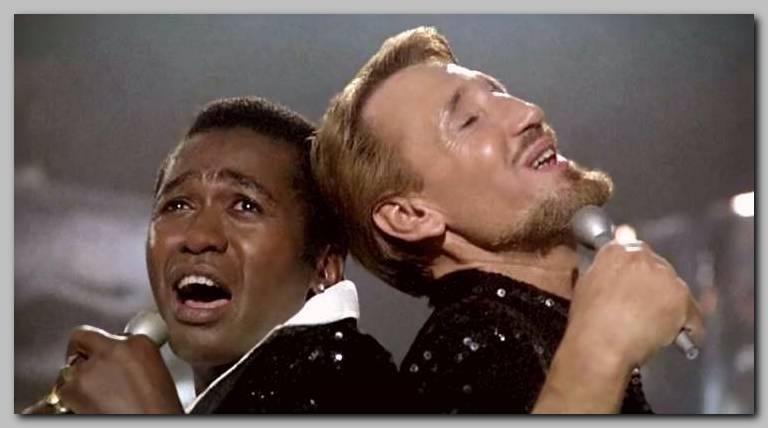
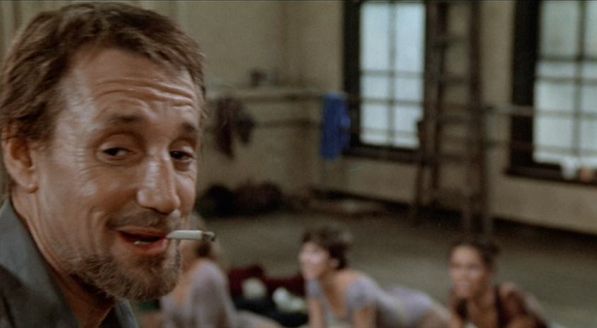
Today’s cinema adventure: All That Jazz, the 1979 feature by Bob Fosse which reinvents the “backstage musical” as a fantasia on death and show business.  Framed as a portrait of Joe Gideon, a workaholic director/choreographer whose self-destructive habits sabotage his life and his relationships, the film is in reality a thinly-veiled autobiographical exploration of Fosse himself, documenting his failures as a husband, father and lover, depicting his excessive use of cigarettes, drugs and alcohol, exposing his serial womanizing, and revealing his obsessive dedication to his work as both an escape from and a response to the downward spiral of his personal life.  More importantly, it is a vehicle for the legendary director- with the help of co-screenwriter Robert Alan Arthur- to deliver his cynical observations about the entertainment business and its people, and a stylized allegory of his long flirtation with death- personified here by a mysterious, angelic woman in white, with whom Gideon carries on a hallucinatory fantasy dialogue, interpolated with the scenes of his life in the “real” world.  Laced with gallows humor, it’s a film which gets most of its mileage from contrasts- between the slick veneer and the seedy underbelly of the world it presents, the syrupy platitudes and the cold-hearted motives of the people who inhabit it, and the self-loathing and the self-aggrandizement that characterize its central figure- and by extension, the director himself.  Standing in for Fosse onscreen is Roy Scheider, whose performance as Gideon was derived from first-hand observations on the set, and provides a highly truthful and sympathetic representation of a man, weary from a lifetime of literally and figuratively “putting on the show,” who is so jaded and hollow that he is unable- and unwilling- to distinguish truth from illusion.  The ethereally beautiful Jessica Lange provides a chilling blend of seduction and sincerity to her embodiment of the angel of death, lending real emotional weight to the prospect of a final embrace; and the remainder of the cast- which includes some of Fosse’s own paramours as some of Gideon’s, as well as a sizeable collection of real-life Broadway performers portraying various denizens of the show biz circus that surrounds his life- do a superb job of capturing the authenticity of Fosse’s world.  Of course, the real star of this mix of cold reality and Fellini-esque fantasy is Fosse himself- for as elaborate as the film’s dramatic structure may be, it serves primarily as a framework for numerous displays of his legendary gifts as a choreographer, captured by the first-class cinematography of Guiseppe Rotunno and performed by practitioners well-versed in his distinctive style by years of first-hand experience.  These range from the breathtaking and justly famous audition montage which opens the film, to the erotically-charged airline number with which Gideon shocks and dazzles his producers, to the macabre hospital hallucination sequence featuring Busby Berkely-style feather dancers, to the culminating jazz/rock fantasy that serves as a grand finale for both the film and its protagonist’s life.  Whatever unique insights may be offered by Fosse’s look at his own psyche, the foremost value of All That Jazz comes from these dance sequences which offer perhaps the quintessential representation of his iconic style on film.  For many viewers, the highly theatrical, stylized conceit upon which the film hinges may seem too heavy-handedly symbolic, but it must be remembered that Fosse is not attempting to present a universal picture of humanity and death, merely his own personal take derived from a lifetime of channeling reality into fantasy; and if the self-observations he presents ultimately seem, despite their seemingly brutal honesty, to be just one more level of show-biz B.S., his perspective on himself acts as a microcosmic illumination of the dangers and demons of the creative personality, and as a warning to avoid the pitfalls which he so whole-heartedly embraced.

http://www.imdb.com/title/tt0078754/