Eyes Wide Open/Einayim Petukhoth (2009)

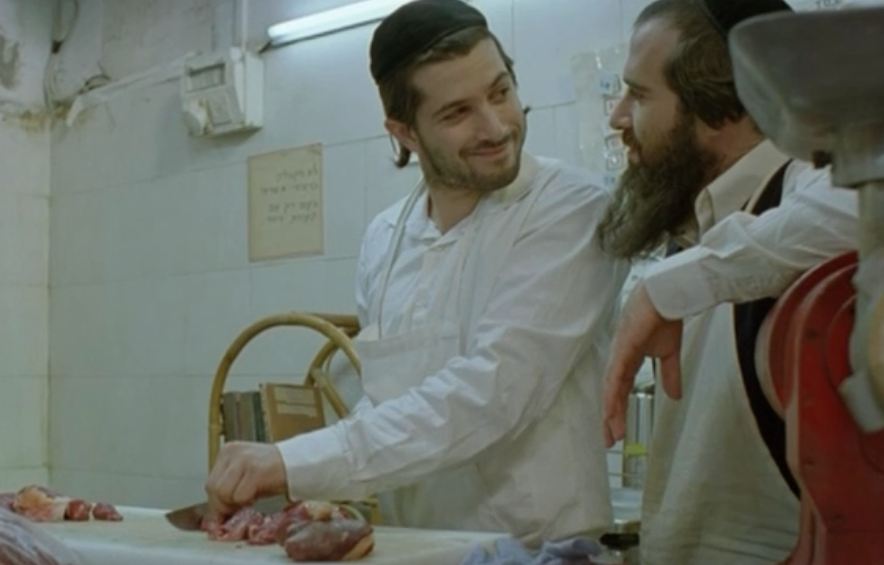
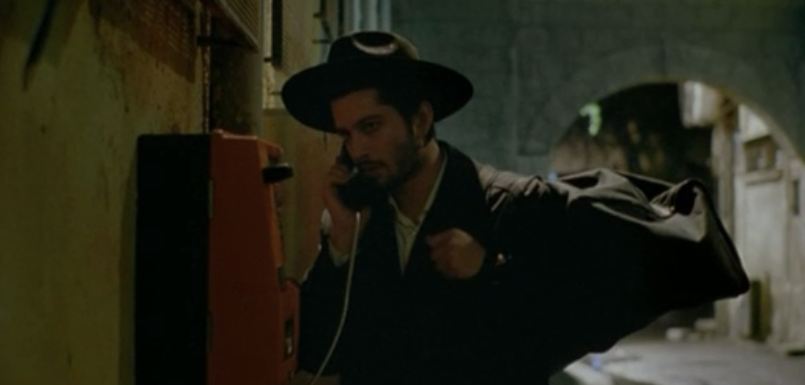
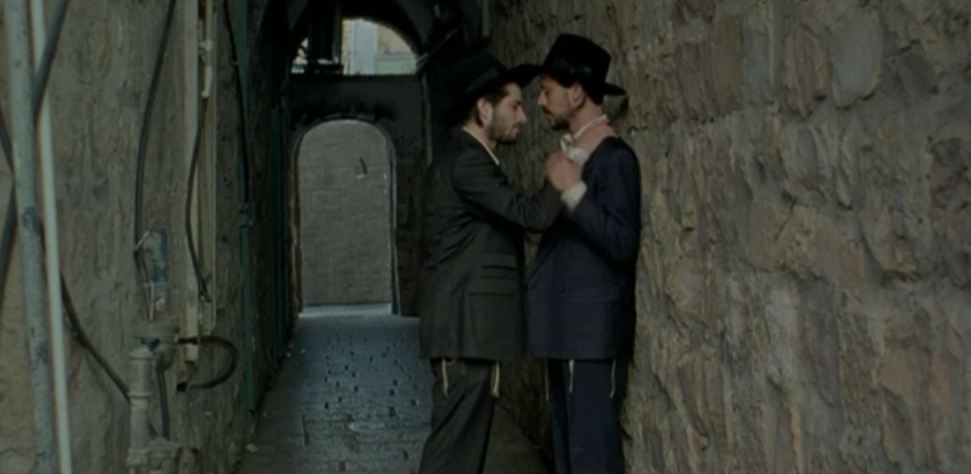
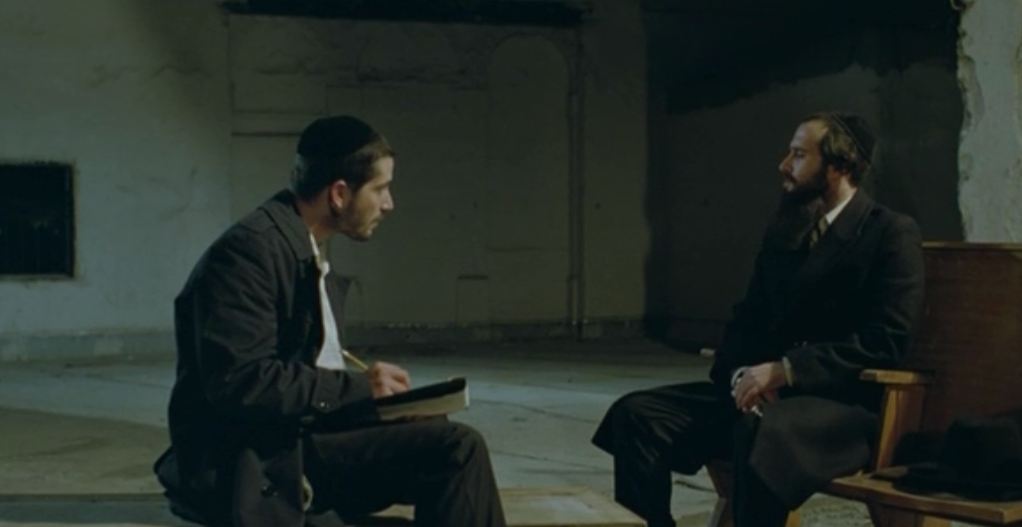
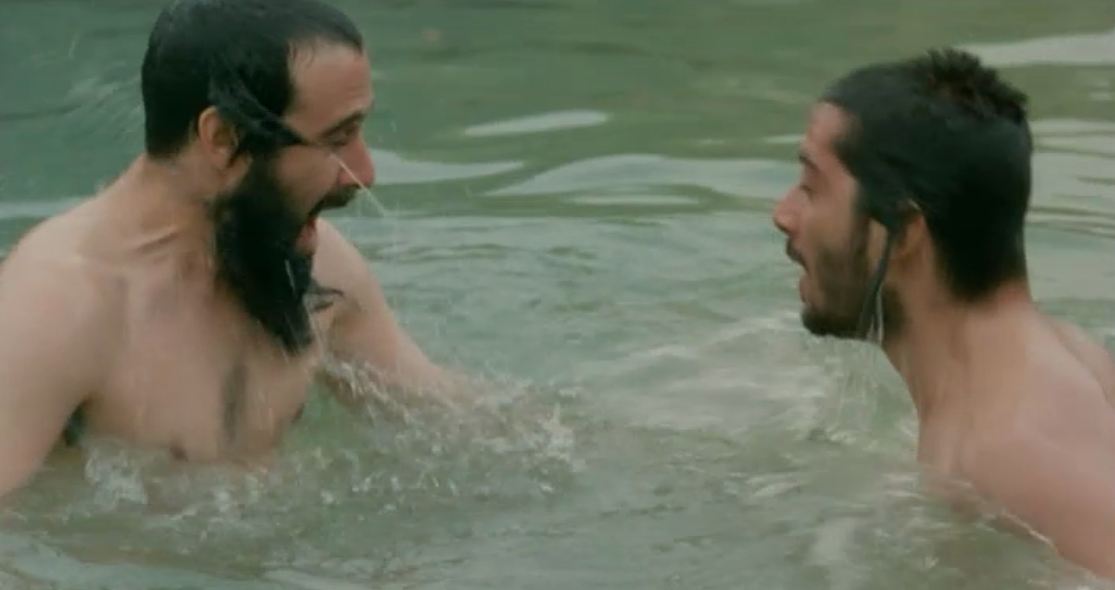
Today’s cinema adventure: Eyes Wide Open, a 2009 Hebrew-language film by first-time director Haim Tabakman depicting the spiritual and social conflict sparked by a blossoming homosexual relationship within a deeply Orthodox neighborhood of Jerusalem. One of the growing number of gay-and-lesbian-themed films to come out of Israel in recent years, it is the story of Aaron, a dedicated husband and father who inherits his father’s butcher shop; when he takes on a young homeless student as an apprentice, a forbidden attraction develops between them, eventually growing into an affair that tests his faith and threatens to cost him not only his beloved family but his place as a well-liked and respected member of the community as well. A film that treads on potentially dangerous, controversial ground, it handles its subject matter with respect for both the valued traditions of the Orthodox Jewish Church and the importance of fulfilling the needs of the heart; the screenplay by Merav Doster carefully constructs its narrative around the delicate issue at its center, choosing to offer up a chronicle of a man’s personal crisis of faith rather than an indictment of attitudes, and to focus on the honest examination of emotional experience instead of on the promotion of a particular agenda, treating its characters with sympathy regardless of which position they hold in the moral tug-of-war being staged. The result is thought-provoking without being inflammatory, moving without being manipulative, and reverent without being precious- a fine example of the kind of slice-of-life drama that achieves its goals simply by presenting its tale in a straightforward manner and allowing the viewer to make up their own mind about the issues raised within.

Despite the weighty social and spiritual matters being explored here, Eyes Wide Open is by no means an entirely solemn film. It manages to find many ways to lighten its tone, from the ironic and observational humor inherent in its situation to the more abstract metaphorical connections drawn from the large amount of meat its two main characters must handle throughout; and lest we forget it in all this talk of moral dilemmas and social obligations, this is first and foremost a romance- and a steamy one, at that. The passion between these two men is carefully crafted, building steadily from their first glimpse of each other, smoldering insistently as they grow closer and becoming stronger with each averted opportunity, until it finally explodes in a fervent love scene that is as joyful as it is erotic- and it is extremely erotic, despite (or perhaps because of) the fact that it is not visually explicit. The power of their connection does not end there, however, because the bond is not merely a sexual one; their emotional connection is built just as carefully, and it is this deeper feeling that makes their relationship so engaging and places the stakes so high. For in the end, it is the love they have for each other that turns Aaron’s life inside out, not the mere physical attraction that has brought them together; and it is the convincing portrayal of that love that keeps us invested, sharing with this illicit couple in their happiness and their heartbreak. The credit for this, of course, must go to the two actors who play them, Zoharr Strauss and Ran Danker, neither of whom, as far as I know, are gay offscreen- not that it matters. Both men are charismatic and instantly likable, and they each convey the depth and range of their roles with clarity. In particular, Strauss (who plays Aaron) does a superb job of allowing his inner landscape to show through a necessarily stoic exterior; his is the more complex role, requiring him to wrestle with a much wider range of conflicts than his younger counterpart, and he meets the challenge admirably. Which is not to say that Danker (an impossibly handsome young actor) is overshadowed or outdone; his Ezri is a portrait of a man who is resigned to the necessity of hiding his true nature, but is not ashamed of it- as he reveals in his intimate moments with Strauss when the veneer slides away and his passion and sensitivity shine through. Also delivering fine performances are Tinkerbell as Aaron’s patient wife, struggling with her growing suspicions and doing her best to fight, in her own small way, for her husband’s love; and Tzahi Grad as Aaron’s rabbi and friend, whose loyalty is stretched to its limit as he tries to maintain his support.

Director Tabakman wisely chooses to place the burden of telling the story on his actors, largely using stationary, long takes that permit an uninterrupted flow within the scenes; but he nevertheless brings his visual sense to the film with a keen eye for composing his frames, and he utilizes his Jerusalem setting- beautifully photographed by Axel Schneppat- to underscore the movie’s central conflict with the visual clash between the city’s ancient architecture and its contemporary, urban feel. His greatest accomplishment with Eyes Wide Open, however, is undoubtedly the way he allows it to deliver its full, cumulative effect without trying to tip the scales one way or the other. The scrupulous fairness with which he handles his subject is, in terms of artistic integrity, his greatest strength.

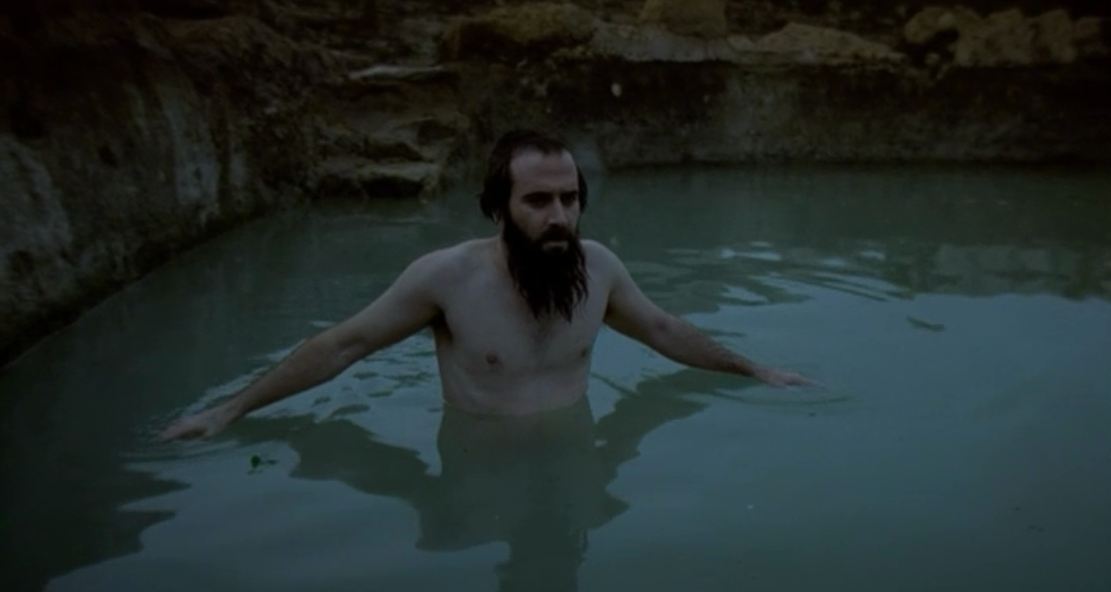
That fairness, however, also opens up the film to its greatest criticism. By refusing to overtly choose a side in this struggle between traditional religious doctrine and contemporary respect for individual freedom, the film risks interpretation as an anti-gay polemic. Certainly its treatment of homosexuality itself is beyond reproach, but so too is its sensitivity to the ancient mores of the Orthodox Hebrew culture; it is far too heavy and complicated a conflict to deserve glib or easy treatment, but those with a more progressive bent might wish for a stronger stance on the side of tolerance and equality. Personally, it is hard for me to characterize a film as anti-gay when it creates such sympathy for its homosexual characters and works so hard to generate hope from the audience for them to be together; and by virtue of exploring the conflict- which is clearly universal, for the setting could just as easily be in a heavily Christian or Muslim community- the film opens up the kind of thinking and discussion which can ultimately lead to positive change, whether socially or personally. Eyes Wide Open, however, is not a fantasy: in the end, Aaron must make a choice between holding on to the beliefs upon which he has built his life or abandoning everything he has ever known for the sake of his own happiness. The choice will not be a surprise to anyone who has paid attention to the struggle of this noble, upright man; and though one might wish that choice were a different one, how many of us would truly have the courage to make it? Still, in the film’s final moments, when Aaron is submerging himself in the waters of a cleansing spring he had once visited with Ezri, and he doesn’t come back up before the camera cuts to black, we cannot help but wonder how long he can hold his breath.

http://www.imdb.com/title/tt1424327/

An Englishman in New York (2009)

;

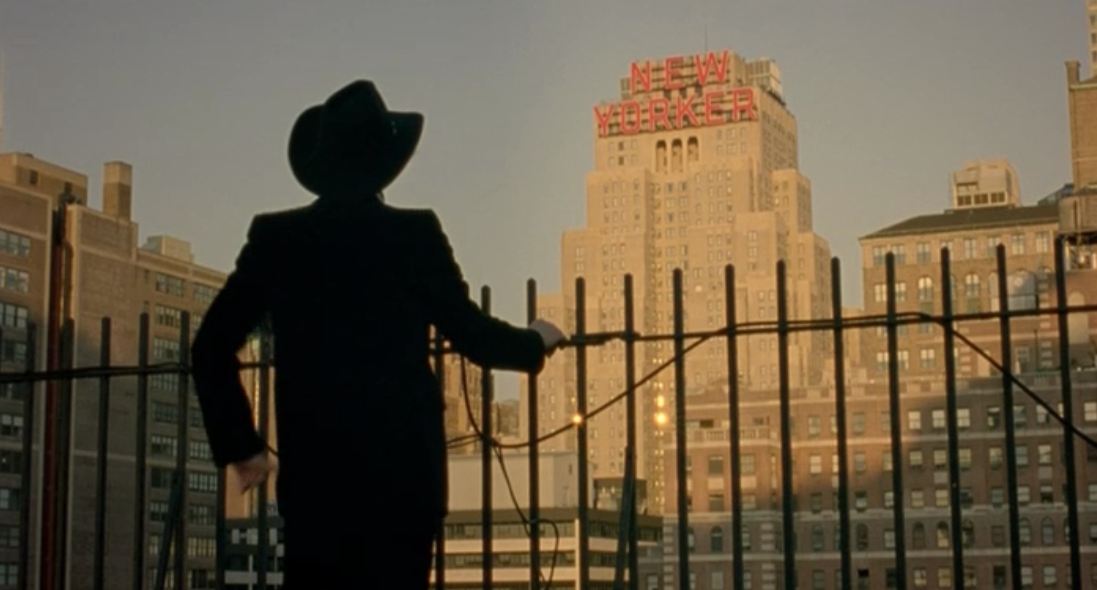
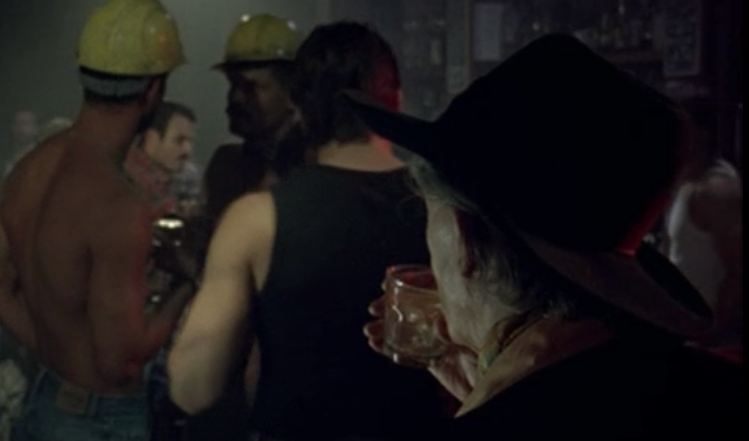
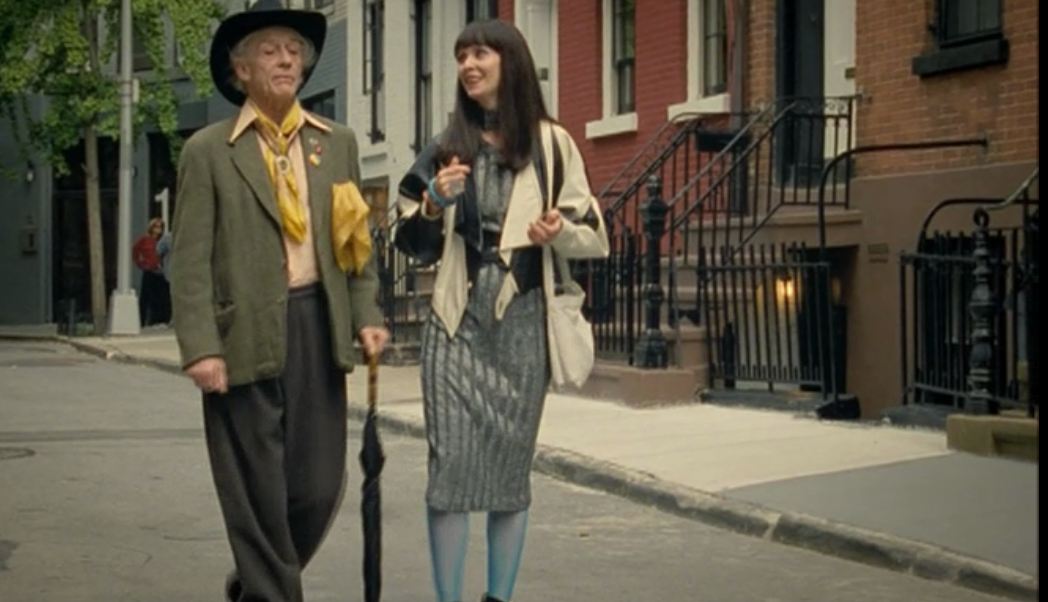
Today’s cinema adventure: An Englishman in New York, the 2009 British telefilm which marked the return of John Hurt to the role of noted real-life author/performer/raconteur/gay icon Quentin Crisp. A follow-up to the acclaimed1975 telefilm based on Crisp’s landmark memoir, The Naked Civil Servant, which made Hurt into a star and won him a BAFTA for Best Actor, this modest biopic covers the later years of the famous eccentric’s life, when he became a celebrated resident of Manhattan and a polarizing figure in the continuing struggle for gay rights. While Hurt maintains his customary brilliance in revisiting and expanding his legendary performance, this outing lacks the strong, central drive of the original film, which had the benefit of focusing on Crisp’s early struggle and triumph in asserting his homosexuality and his individuality in the repressive England of early 20th century. Part of the reason is likely that the first outing was built upon the solid ground of Crisp’s superb book, which portrayed his early life and experiences as a personal journey culminating in his courtroom victory blow against the antiquated morality laws which kept most English homosexuals fearfully cringing in the closet; but here, writer Brian Fillis attempts to encapsulate the remarkable life which followed those events into a 90 minute whirlwind, consolidating characters and contriving scenes in order to address key issues and events. To be sure, he has a cohesive purpose- the main focus here is Crisp’s fiercely guarded individuality, which put him at odds with the ongoing gay rights movement and often made him the object of exclusion within his own community (particularly after an infamous remark that AIDS was “a fad”)- and he does an admirable job of creating a portrait of a man who is forced into continuing growth in spite of himself; but the end result is considerably less satisfying than Civil Servant and leaves us wondering about many of the blank spots in between. Nevertheless, there are many reasons to admire this belated sequel, not the least of which is the rich background of late-century New York scenery lending an authentic documentary feel to the proceedings. By far, however, the greatest joy here is the magnificent performance of John Hurt, who once again captures to perfection the physical and vocal character of this legendary figure while simultaneously conveying the depth of emotion and experience which lies beneath that flamboyant exterior; in Hurt’s hands, the affectations of dress and manner become (as they were in real life) an expression of Crisp’s true self rather than a costume proclaiming his refusal to conform. Nevertheless, in spite of the more obvious success of his characterization, it is in the more intimate moments when Hurt’s brilliance as an actor really shines through- his weathered face and soulful eyes wordlessly express volumes, whether he is confronting the thoughtless prejudice of younger gay men or his own mortality. Supporting him are an array of established character actors- Dennis O’Hare, Swoosie Kurtz, Cynthia Nixon- who are never quite allowed to rise above the constraints of the condensed format, although Jonathan Tucker has some nice moments as artist Patrick Angus, whose work was championed into success by Crisp. Overall, though its hard to call An Englishman in New York a worthy successor to the still-lauded Civil Servant, it offers many rewards in its own right; and though it may ultimately contain less insight into Quentin Crisp than the Sting-penned song from which it takes its title, it is still a fitting and necessary epilogue to the story of a man who changed the world by refusing to change himself.

;

http://www.imdb.com/title/tt0997057/

;

Beginners (2011)

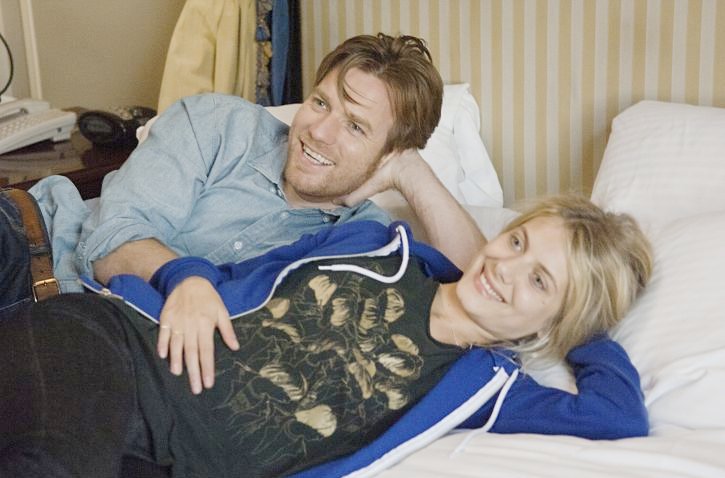
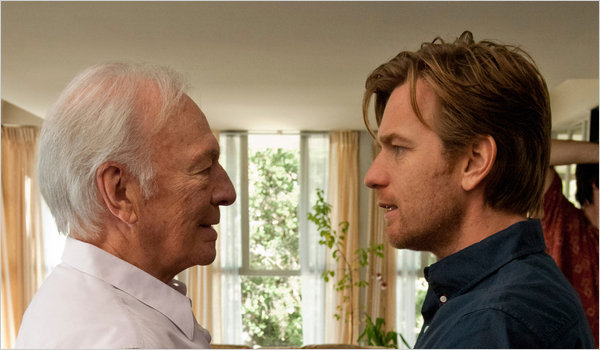
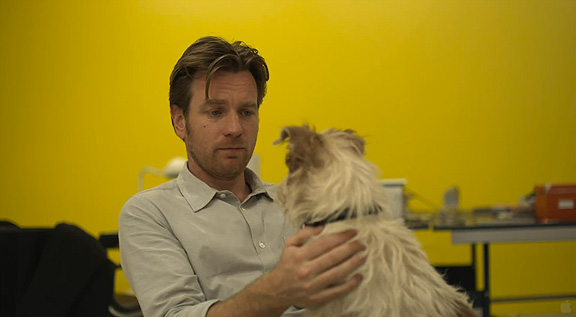
Today’s cinema adventure: Beginners, the 2011 romantic comedy/drama which garnered nearly universal critical acclaim and won multiple accolades and awards (including an Oscar) for supporting actor Christopher Plummer.  Heavily interweaving his narrative with flashbacks, filmmaker Mike Mills documents the efforts of Oliver, an L.A. graphic artist, to reconcile the memories of his childhood (and his grief over the recent death of his father) as he takes the tentative first steps towards a relationship with a young French actress.  Laced with clever, quirky humor, defying stereotypes and expectations at every turn, the film not only engages us with its charming story and likable characters but invites us to ponder the experiences of our own lives and our collective history, and how they provide us with the knowledge we need to grow and the foundation upon which to build a future beyond them.  Mills’ direction (from his own semi-autobiographical screenplay) is superb, moving the film freely between past and present, using its protagonist’s art to provide commentary and draw connections, and offering a wealth of “snapshot moments” which convey volumes about the characters and their lives without the need for extensive dialogue or exposition.  The filmmaker’s efforts would be pointless, however, if not for the superb cast, headed by the ever-lovable Ewan McGregor, giving a heart-breaking performance that manages to convey his character’s deep sadness without ever making him into a downer.  Melanie Laurent is equally effective as his new love interest- who is coping with parental issues of her own- and she, too, succeeds in maintaining both an attractive charm and a melancholy core.  But the most outstanding player here is Plummer, portraying Oliver’s father, a 75-year old man who comes out as gay following his wife’s death and embraces a new life, lived to the fullest, even as he faces his own terminal cancer.  This veteran actor is magnificent to watch as he captures the full spectrum of humanity, from the child-like glee he finds in exploring a world of which he has always dreamed to the dignity he maintains as he succumbs to the humiliation of his disease.  Fully deserving of all the accolades, it’s a performance that provides the strongest- but by no means the only- reason to see the film.  Los Angeles locals will also enjoy the Silverlake settings, lovingly captured by cinematographer Kasper Tuxen, which help to set the tone of Beginners– hip and quirky, but possessed with a keen awareness and respect for the past.  Mills’ film isn’t perfect: some would quibble that it borders on being overly precious, or that the characters’ troubles seem based on self-centered over-thinking and an arrested emotional development resulting from their insulated lifestyle.  However, this is a film about moving forward, about setting aside the emotional baggage of an imperfect past- while still honoring it- and finding the courage to face the challenges of an uncertain future.  In short, it’s a film about change, and therefore a film about fear- the kind of deeply personal fear which can make us all feel like children, no matter our age or background, and therefore cause our thinking and our behavior to seem immature from an outside standpoint.  Maturity comes with taking the leap towards something new, despite these deeply conditioned anxieties, and that is what each of the three principal characters in Beginners must do.  Frankly, I think it’s remarkable that a film addressing such a real and primal fear, and pervaded by such a tone of  bittersweet melancholy, can leave us feeling so charmed- perhaps that’s due to the fact that, above all, Beginners is a film about love, and given their emotional handicaps, if these people can make it work (and whether or not they can is by no means certain), then the rest of us can live in hope that we can, too.

http://www.imdb.com/title/tt1532503/

Sebastiane (1976) [Warning: some images may be NSFW]

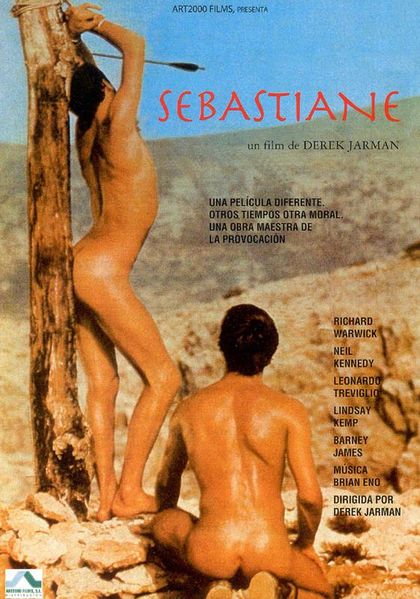
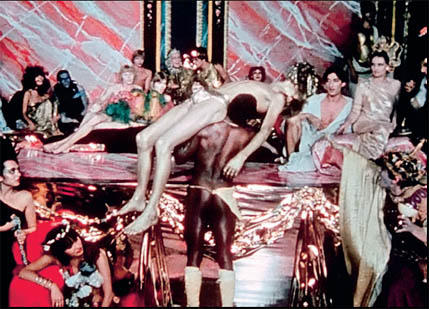
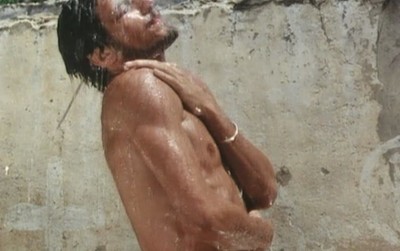
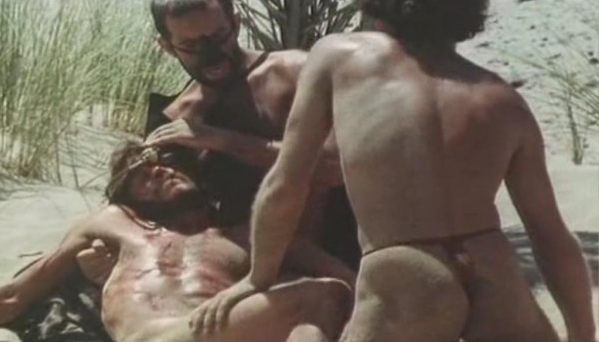
Today’s cinema adventure: Derek Jarman’s 1976 debut feature, Sebastiane, a fictionalized vision of the martyrdom of St. Sebastian, presented less as a meditation on spiritual themes than as a homoerotic fantasy in which the soldier Sebastianus, after falling from favor with the Roman Emperor Diocletian, is exiled to a remote oupost in the wilderness, where his refusal to yield to his commanding officer’s obsessive lust eventually leads to his ritual execution by arrows.  A work that is historically significant not only for being the first film produced in authentic Latin (and as such, the first British-made movie to be shown in England with subtitles), but- more importantly- for the prologue featuring an erotic dance by legendary glam-era performance artist Lindsay Kemp and his Troupe, and its inclusion of an early score by electronic music pioneer Brian Eno, Sebastiane was never anybody’s idea of a mainstream film, not even its creator’s.  Like most of Jarman’s films, it’s not big on story, but despite its shoestring budget, it is lovingly and beautifully shot, each frame artfully crafted so that the final result resembles a Renaissance painting in motion. The extensive nudity (all male, of course) was explained by Jarman as being because they “couldn’t afford costumes” (sure, Derek, sure… we believe you), and needless to say the film was highly controversial at the time of release; but although many viewers may fixate on what often seems like gratuitous nudity and sexual content, Jarman is not merely concerned with exploiting or even celebrating the male form; he has much to say about the issue of homosexual shame.  On the surface, the film would seem to comply with the traditional Catholic assertion that homosexual behavior is a sin to be forsworn, and that Sebastianus’ fate is to be sacrificed to that ideal, destroyed by unrepentant sinners for his refusal to debase himself- a decidedly conflicting message, when one considers the fact that the film is heavily laden with imagery clearly intended to elicit homosexual fantasies.  Certainly these themes of religiously-fueled guilt are in play within Sebastiane, and Jarman undoubtedly wrapped some of his own spiritual struggles into his film; but like most art, the true nature of the themes expressed lies beneath the obvious details.  Sebastianus’ rejection is of the flesh itself, regardless of sexual orientation: it is his devotion to a life of the spirit that makes him an outcast and a martyr, and it is the jealousy and pride of those who fail to understand him that leads to his death; in the end, sexuality is irrelevant here, and Jarman’s true indictment is against the base and brutal tendencies of stereotypical masculinity, the hypocrisy of judgement and violence against those who do not conform to the status quo, and the arrogance of those who choose to subvert their own spirituality to their egotistical desires and insecurities.  In short, the film is more about homophobia than homosexuality, and its abundance of homoerotic imagery is as much to incite as to excite.  Of course, that same imagery is sufficient to ensure that the majority of religious bigots will never see this film, so in a way, Sebastiane is a prime example of an artist “preaching to the choir;” and, truthfully, the copious amount of it ultimately displaces Jarman’s higher purpose, so that his inaugural cinematic excursion ends up being more stimulating on a decidedly lower level.  My own reaction: it’s a very pretty movie to look at, and probably one of the most erotic ones I have seen (much more so than porn, actually); but at times I couldn’t help being reminded of those soft-core late-night “Skinemax” flicks I would sometimes catch my Dad watching at 3 in the morning… slow motion photography of someone taking a shower, with the frame cropped in just the right place to keep it from being obscene, that sort of thing, except instead of beautiful women, here it was beautiful men.  I can’t say I had any complaints, but I was ready for it to be over about 30 minutes before it actually was.  It might have helped if the actors (Leonardo Treviglio as Sebastianus, supported by Barney James, Neil Kennedy, and Richard Warwick, among others- none of whom had significant careers afterward) had delivered performances that were as beautiful as their bodies… but I guess we can’t have everything.

http://www.imdb.com/title/tt0075177/
Six Degrees of Separation (1993)

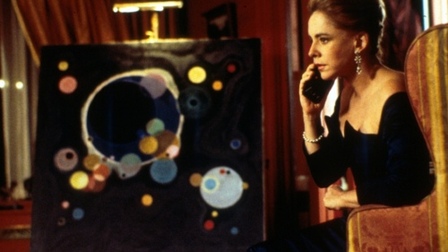
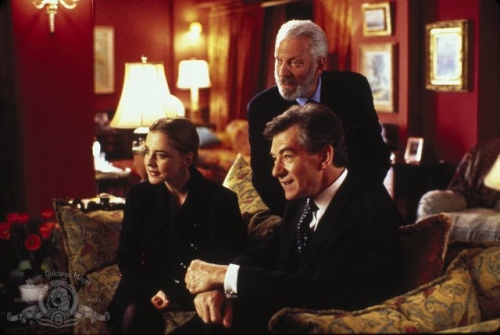
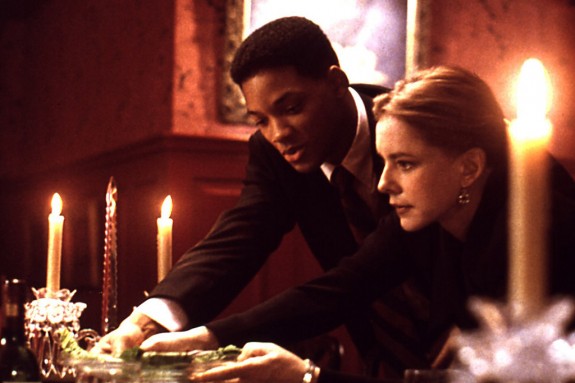
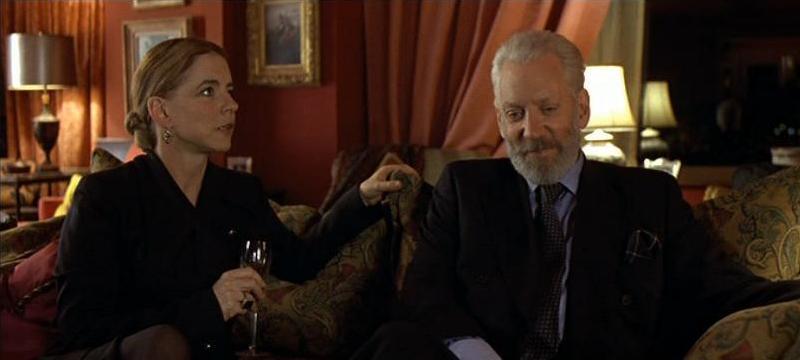
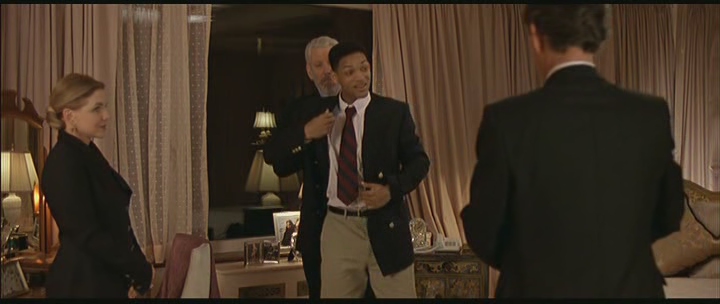
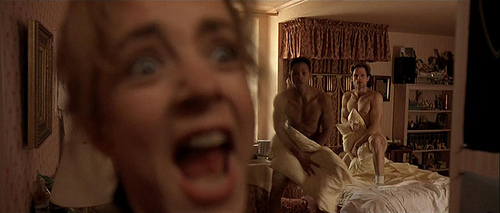
Today’s cinema adventure: Six Degrees of Separation, the 1993 adaptation of John Guare’s Pulitzer-nominated play of the same name, starring Stockard Channing, Donald Sutherland and Will Smith, with a screenplay by the playwright himself. Through the tale of a well-to-do Manhattan couple whose lives are infiltrated by a mysterious and charismatic young con artist, Guare uses his gift for language to explore how our connections to other people weave us into a tapestry of shared experience and lead us to new perspectives on our lives and ourselves, and to subtly reveal how the parallels between us transcend the illusory differences of class, race, sexuality and culture and expose the sometimes uncomfortable truths which unite us all; however, in the translation from stage to film, the complex, literate and emotionally resonant dialogue sometimes borders on sounding awkward and stilted, the central premise comes across as contrived and unconvincing, and the powerful revelations of the play seem almost artificial and trite. The fault lies with director Fred Schepisi, who- instead of utilizing the potential of the cinematic medium to enhance and illuminate the play- has taken the rather pedestrian approach of grafting it into a straightforward narrative, expanding the action into a variety of real-world settings which only serve to distance us from the characters and undermine the cumulative power of the unfolding story. The endless progression of upper-crust social gatherings and well-appointed locations continually remind us that we are watching a movie about the problems of spoiled rich people, instead of providing us with the class-dissolving intimacy of a more abstract theatrical experience; and as a result, instead of an emotional catharsis, we are given an intellectual exercise. Nevertheless, the power of Guare’s original work shines through (albeit in diluted form) thanks to the talented ensemble cast, which clearly relishes the opportunity to speak his words and embody his characters, and if the movie is ultimately a bit disappointing, they at least ensure that it is never boring. Sutherland is, as always, interesting to watch, and Channing does possibly her best screen work here- she earned a well- deserved Oscar nomination for her performance; Ian McKellen shines as wealthy dinner guest who is also taken in by the young hustler, as do Heather Graham and Eric Thal as a younger, less affluent couple whose experience with him yields considerably more tragic results.  In the key role of the enigmatic stranger, Will Smith copiously displays the charm that made him a star; but my favorite performance comes from Anthony Michael Hall, whose brief appearance as a key character steals the show and makes us keenly regret his relative disappearance from the film industry.  As a side note, from the standpoint of social history, Six Degrees represents a minor landmark in the acceptance of gay-themed subject matter in mainstream cinema with its inclusion of the con man’s homosexual trysts, which may generate interest for some viewers; for everyone else, however, it’s a film that is worth the time investment, for the sake of the performances and the opportunity to experience Guare’s script- just manage your expectations, or you may end up feeling you are the one who’s been conned.

http://www.imdb.com/title/tt0108149/
Chris and Don: A Love Story (2007)

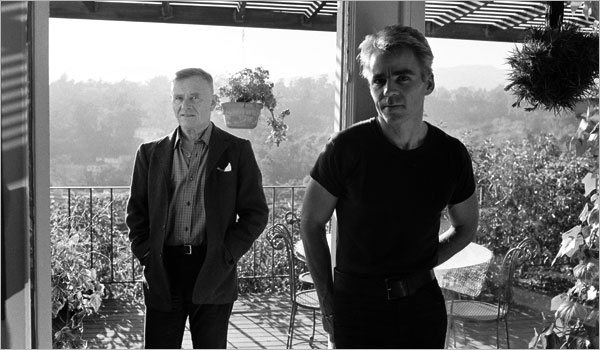
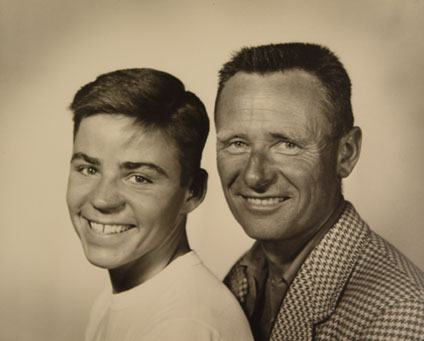
Today’s cinema adventure: Chris and Don: A Love Story, a 2007 documentary detailing the 34-year relationship between acclaimed writer Christopher Isherwood and his life partner, artist Don Bachardy.  Practicing documentary filmmaking at its finest, directors Tina Mascara and Guido Santi piece together the remarkable shared life of the couple while also presenting a portrait of each man individually, utilizing footage and narration from surviving partner Bachardy, excerpts from Isherwood’s diaries (read, appropriately enough, by Michael York, who portrayed the author’s alter-ego in the film version of the musical Cabaret, based on Isherwood’s Berlin Stories), interviews with various friends and archivists, and copious home movies and photographs of the couple’s life together. The relationship, which began when the 48-year old British expatriate author met the 18-year old Los Angeles boy on a beach in Santa Monica and defied the odds- and the cynical expectations of the pair’s acquaintances- to endure until Isherwood’s death in 1986, is presented with a restraint and an objective journalistic detachment which preserves the dignity of its subject matter and results in a cumulative emotional wallop, leaving the viewer moved and uplifted by the triumph of an unlikely love. Documentary purists may quibble over the occasional use of re-enactments to depict key moments in the relationship (presented only in brief, out-of-focus snippets without dialogue) and animations derived from Isherwood’s fanciful sketches from his correspondence to his partner, but these touches do nothing to alter or affect the facts presented. Though the film depicts the lives of a gay couple, it is suitable for all audiences; and anyone who watches it is bound to be, as I was, filled with admiration for two people who disregarded social prejudices from every direction and inspired by their success at building a love to last a lifetime.

http://www.imdb.com/title/tt1138002/

Dog Day Afternoon (1975)

Image

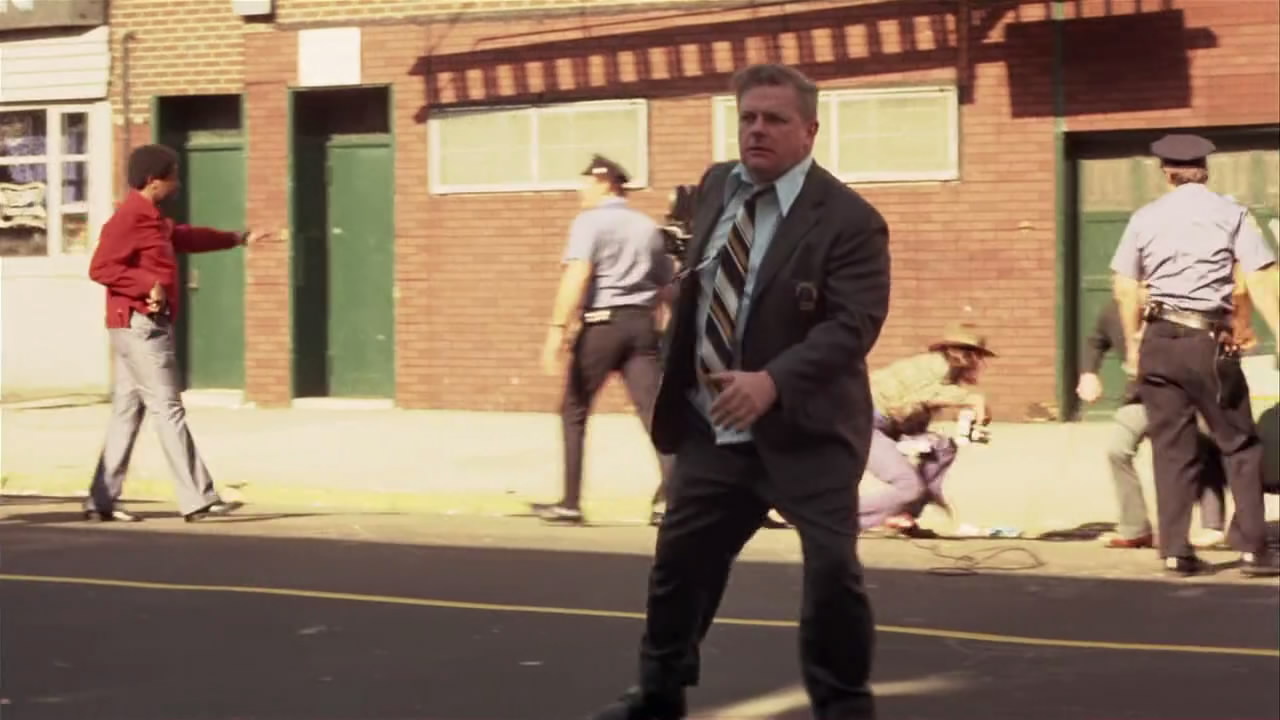
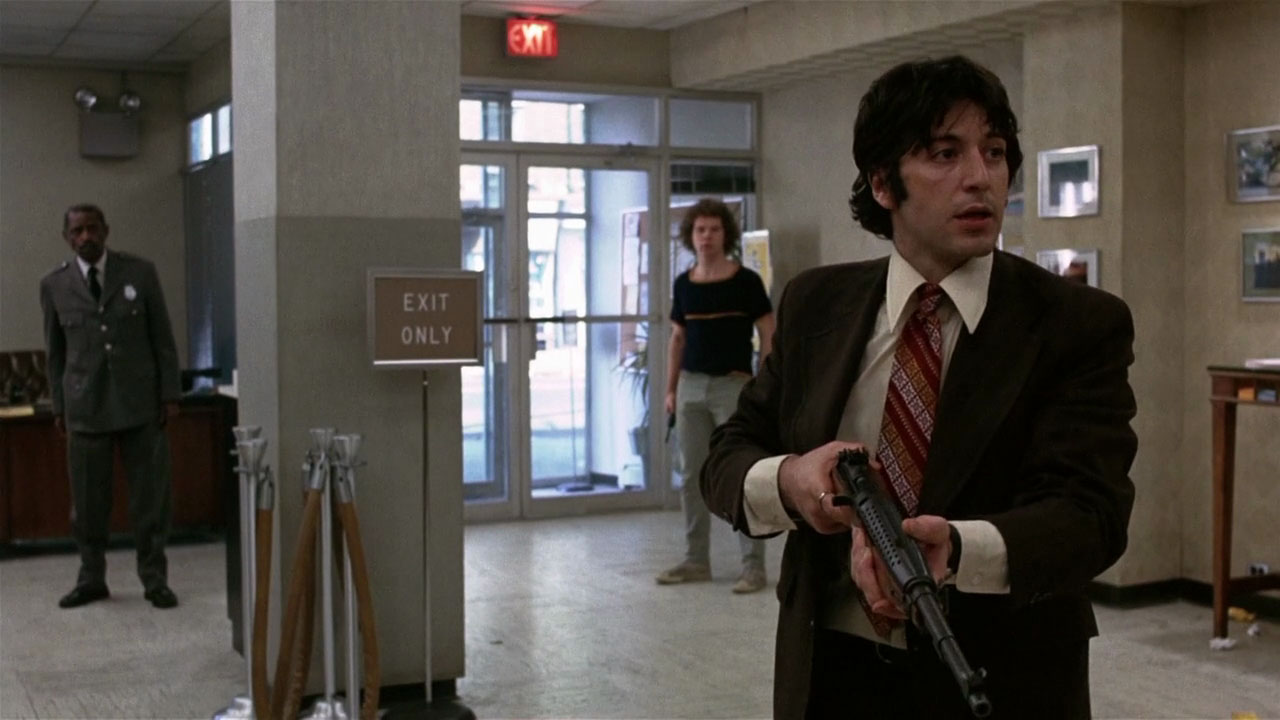
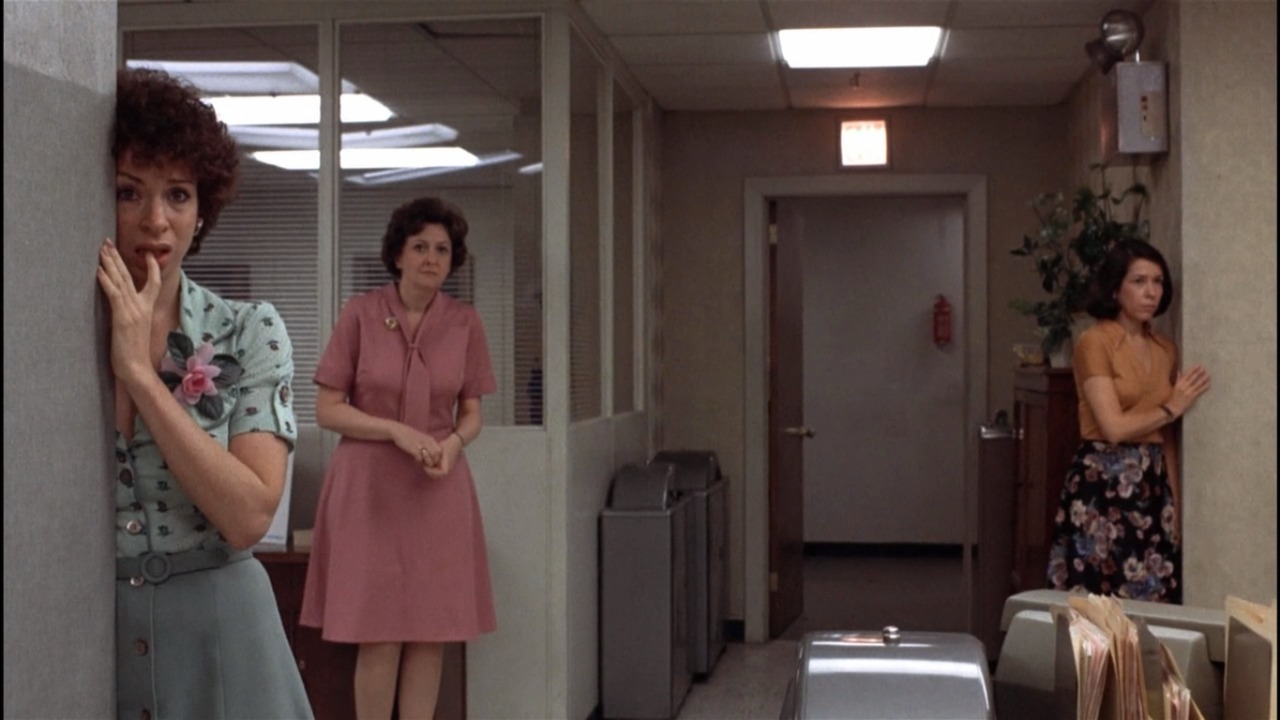
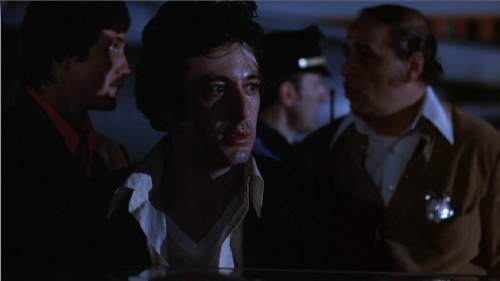
Today’s cinema adventure: Dog Day Afternoon, the 1975 Sidney Lumet feature about a real-life bank heist gone wrong, in which a troubled Vietnam war veteran attempts to obtain the money needed for his gay lover’s sex change surgery and ends up at the center of a hostage situation that turns into a media circus. A prime example of seventies “New Hollywood” cinema, this gripping gem achieved much popularity due to its anti-establishment undertones and the performance of Al Pacino, who was at the height of his rising stardom. Director Lumet, also at the peak of his career, steadily drives the brilliant Frank Pierson screenplay by allowing the story to unfold through the characters, resulting in a slow-but-steady paced film that remains emotionally grounded as it moves through the escalating complications of the plot, building tension by keeping us invested as it moves towards its inexorable conclusion; in addition, by focusing on the immediacy of the human element, Lumet succeeds in creating a microcosmic fable with complex political and social overtones woven into its fabric without ever letting these larger themes overwhelm the immediacy and intimacy of its simple story. The power of the film as a whole is seamlessly connected to the magnificence of Pacino’s embodiment of the likable loser at its center; his sharply honest portrayal allows us to instantly connect with the core of his character as he wavers between gullibility and cynicism, despair and determination, kindness and cruelty- seemingly the entire contrasting myriad of human emotion. It’s hard not to be on his side, no matter how ill-advised his actions may be; we share his giddy thrill when he stirs the crowd with his chants of “Attica!,” and we feel the crushing pressure as he tries to negotiate an acceptable way out of the no-win situation he is in- both in the bank and in his life. Backing him up is a quietly brilliant cast of supporting players, from John Cazale as his slow-witted accomplice and Charles Durning as the police negotiator trying to diffuse the situation, to the ensemble of bank-employees-turned-hostages who convincingly bond with their unwilling captor. Special praise, however, should go to Chris Sarandon, as Pacino’s gender-swapping lover, who delivers his two scenes with a sensitivity and a dignity that provide the bittersweet heart upon which the entire plot hinges. It is worth mentioning, in fact, that the homosexual elements of the film are handled with objectivity and a marked lack of stereotyping- a fact made all the more remarkable by the era in which it was made, which helps to make it stand as strong today as it did upon its first release nearly forty years ago. (As a side note, it is interesting to know that the film’s real-life inspiration, John Wojtowicz, used his proceeds from the sale of his story to finally fund his lover’s sex change; so in a roundabout way, his scheme ended up being successful after all). All in all, Dog Day Afternoon is one of those classics that define an era, a representative work from a time when American cinema blended realism with art to create a kind of visual poetry, a document testifying to the character of our culture and capturing the essence of our concerns. Not only that, it is a reminder of a time when Hollywood gave us stories that grew out of the people in them instead of relying on gimmicky, formulaic plots with the people grafted in- and though I’m not one to bemoan the passing of the “good old days,” it’s certain that today filmmaking establishment would be completely unable- or at least unwilling- to create a film with the kind of simple, non-CG-powered thrills provided here. Of course, you don’t need all these justifications for checking it out. The only reason you need is the best reason of all: it’s a damn good movie.

http://www.imdb.com/title/tt0072890/

ImageImageImageImageImageImageImageImageImageImageImage

The Ritz (1976)

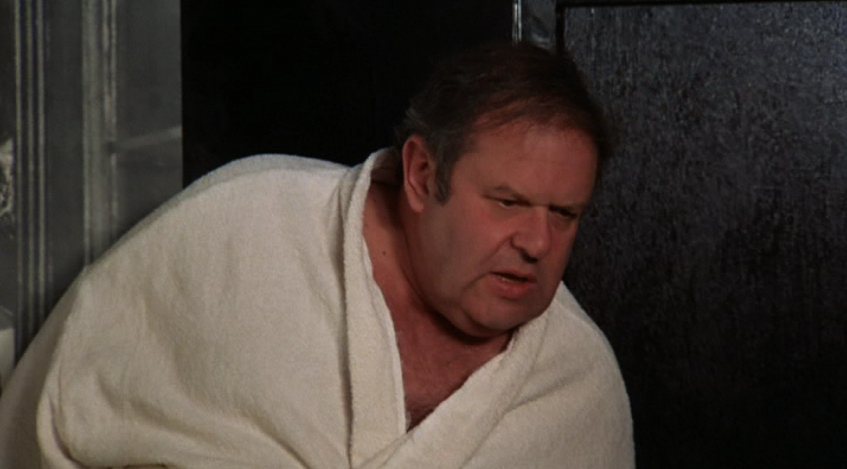
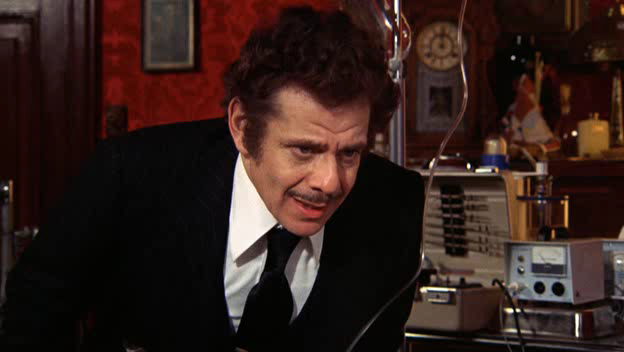
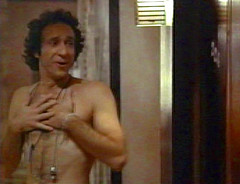
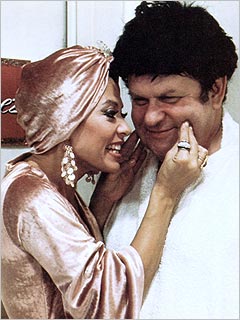
Today’s cinema adventure: The Ritz, the 1976 screen version of Terence McNally’s daring-for-its-day stage farce about a straight Midwestern businessman who hides out from his homicidal brother-in-law by checking into a gay Manhattan bathhouse. Directed by the legendary Richard Lester (known for a fast-paced, edgy style that made The Beatles A Hard Day’s Night into an instant classic) with a screenplay by the playwright himself, the film has aged into something of a curiosity of its time- a glimpse at bathhouse culture during the heady pre-AIDS era of the sexual revolution. McNally (who has become something of a gay poet laureate) made the brilliant move of taking the formula of a classic farce and placing it into what was at the time (and, sadly, to an extent, still is) a socially taboo setting; the result was a risqué piece of popular entertainment which brought underground gay culture into the spotlight and ostensibly took a small step towards making homosexual subject matter more acceptable for mainstream audiences. Unfortunately, by virtue of the requirements of the farcical genre, the characters (both gay and straight) are one-dimensional stereotypes which seem tired and offensive today, and the comedy has been rendered considerably less amusing by years of over-exposure to TV sit-coms in constant rotation. The highlight of the film is undoubtedly Rita Moreno, reprising her Tony-winning Broadway performance as Googie Gomez, a fiery Bathhouse Betty who gets caught up in the intrigue and (fortunately for the audience) performs a deliciously over-the-top lounge act for the boys; also of note are her Broadway co-stars, Jack Weston (as the hapless refugee), Jerry Stiller and future Oscar-winner F. Murray Abraham (as a flaming, self-appointed tour guide who manages to be likeable despite the heaping load of gay clichés he is required to carry), and an amusing turn by a young Treat Williams as a naïve (and squeaky-voiced) private detective. The rest of the cast fill their roles sufficiently well, Lester’s direction is sure-handed, and the look and feel of the seedy setting are captured quite authentically- but in 2012, the edge which once made it all so delightful has become painfully dull. The bottom line: as a piece of social and theatrical history, The Ritz is definitely important enough to warrant a viewing; but if you are just looking for some laughs and entertainment, you might want to skip it- or, better yet, fast forward to Rita’s scenes and just watch those.

http://www.imdb.com/title/tt0075144/